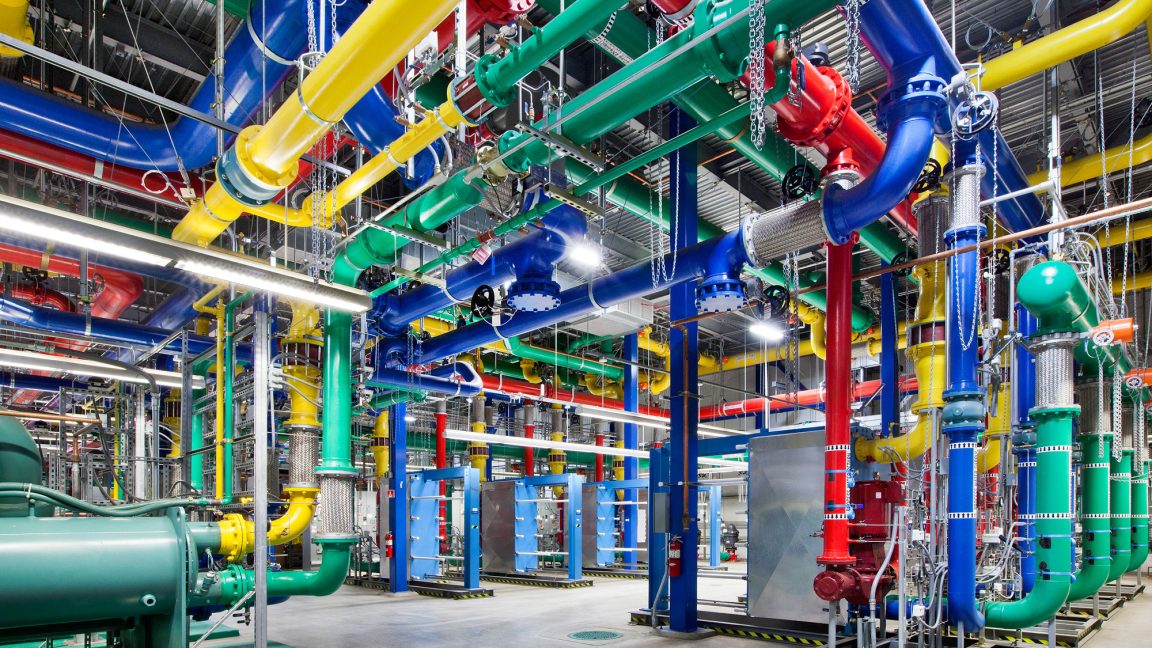
The AI Infrastructure Crunch: Why Google & OpenAI Are Racing to Build the Future
Despite ongoing discussions about a potential AI bubble, a stark reality is unfolding within the tech industry: demand for artificial intelligence is exploding, and the infrastructure to support it is struggling to keep pace. This isn’t a question of if people want AI, but how much they’re already using – and will continue to use – AI-powered services.
Recent insights reveal the immense pressure companies like Google and OpenAI are under to dramatically expand their computing capabilities.This article dives into the challenges, the investments, and what it all means for the future of AI.
Google’s Urgent Call to Action
Earlier this month, Google’s head of AI infrastructure, Amin Vahdat, delivered a compelling message to employees. He stated the company needs to double its AI serving capacity every six months. This isn’t a long-term goal; it’s the immediate requirement to meet current demand.
Vahdat’s internal presentation, reported by CNBC, outlined a need to scale “the next 1000x in 4-5 years.” But simply increasing capacity isn’t enough. Google faces a critical constraint: achieving this growth “for essentially the same cost and increasingly, the same power.”
This means innovation isn’t just about more hardware, but smarter hardware. Collaboration and co-design will be crucial to success.
Is it User Demand or Internal Integration?
The source of this surging demand is multifaceted. While organic user interest in AI features is certainly a factor, a notable portion likely stems from Google’s integration of AI into core products. Think about AI-powered features in:
* Search: enhanced results and generative summaries.
* Gmail: Smart Compose and spam filtering.
* Workspace: AI-driven document creation and analysis.
Irrespective of how users are interacting with AI, the impact on Google’s infrastructure is undeniable. And Google isn’t alone in this struggle.
OpenAI’s Massive Investment
Google’s competitor, OpenAI, is undertaking an equally aspiring infrastructure build-out. Through its Stargate partnership with SoftBank and Oracle, OpenAI is planning six massive data centers across the U.S.
This project represents a commitment of over $400 billion over the next three years, aiming for nearly 7 gigawatts of capacity. The need is driven by a rapidly growing user base – ChatGPT currently boasts 800 million weekly active users. Even paying subscribers are encountering usage limits for advanced features like video synthesis and complex reasoning models.
The Real AI Race: Infrastructure, Not Just Algorithms
Vahdat emphasized that the competition in AI isn’t solely about developing the most advanced algorithms. “The competition in AI infrastructure is the most critical and also the most expensive part of the AI race,” he explained.
Google understands that simply outspending competitors isn’t the answer. the true objective is building infrastructure that is demonstrably:
* More reliable.
* More performant.
* More scalable.
this requires a basic shift in how data centers are designed and operated.
What Does This Mean for You?
This infrastructure race has significant implications.Expect to see:
* Continued innovation: The pressure to optimize infrastructure will drive advancements in hardware and software.
* Potential cost fluctuations: The high cost of AI infrastructure could influence pricing for AI-powered services.
* Increased focus on efficiency: Companies will prioritize energy efficiency and sustainable data center practices.
* More robust AI experiences: Ultimately,a stronger infrastructure will lead to more reliable and powerful AI tools for everyone.
The current situation isn’t indicative of an AI bubble bursting. Rather, it highlights a critical bottleneck: the ability to deliver on the promise of artificial intelligence. The companies that can successfully navigate this infrastructure crunch will be the ones shaping the future of AI.
Sources:
* [https://arstechnica.com/ai/2025/11/were-in-an-llm-bubble-hugging-face-ceo-says-but-not-an-ai-one/](https://arstechnica
- The Relic: First Guardian Preview: An Open-World Soulslike with 70+ Bosses
- Building an Automated Trading Strategy with 1.3M X/Twitter Stock Tips: What’s Missing?
- Africa’s Growing Demand for Pharmaceuticals Tech Solutions and Specialized Services (world-today-news.com)
- Why Some Plants Close Their Leaves Every Night (daybreakwire.com)