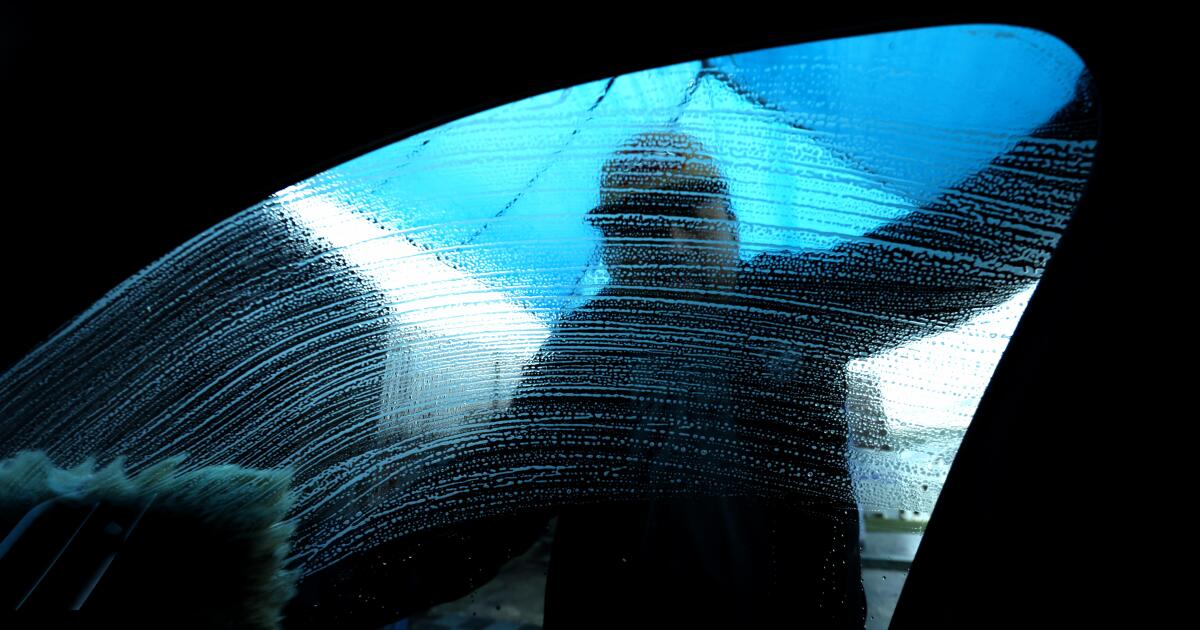
The Human cost of Immigration Enforcement: Life at a Car Wash in the Age of Uncertainty
The gleaming finish of a freshly washed car often masks a complex reality. Recent years have seen a chilling affect ripple through industries reliant on immigrant labor, particularly in regions targeted by increased immigration enforcement. This isn’t just an economic issue; it’s a human one. A recent look inside a Los Angeles car wash reveals the fear, resilience, and disillusionment gripping a community navigating a precarious existence under heightened scrutiny.
The Disappearing Workforce & The Weight of Fear
The story unfolding at this car wash isn’t unique. Across the country, employers in sectors like construction, agriculture, and service industries have reported employees simply stopping work, paralyzed by fear. One worker at this LA car wash vanished for nearly a month, sustained only by the support of friends and family delivering groceries.
This wasn’t a matter of choosing to stay home. It was a response to a climate of terror. The threat of ICE raids had become so pervasive that basic survival – going to work – felt impossibly risky.
A Brother’s Dilemma: 25 Years, Three US-born Children, and a Life on Hold
The brother of the missing worker eventually returned, a stark illustration of the difficult choices facing many undocumented immigrants. He explained his return with a simple, heartbreaking truth: “I need the work.”
His story is a testament to decades of contribution. He’s lived in the US for nearly 25 years, raised three children – one a Marine veteran – and consistently worked physically demanding jobs.
* Limited Options: Without legal work authorization, opportunities are severely restricted, particularly in a political climate that has actively sought to increase enforcement.
* The Trump Era Impact: The previous administration’s policies amplified anxieties, making even routine tasks feel fraught with danger.
* A Near Miss: he narrowly avoided detention during a previous raid, saved only by the owner’s intervention.
He’s resigned himself to the possibility of forced departure, finding solace in the fact that his children are now self-reliant. But the weight of potential separation remains.
Survival Strategies: Hiding in Plain Sight
the car wash’s management, acutely aware of the risks, has developed a chilling protocol. Workers are now instructed to hide inside the cars they are cleaning if immigration agents return.
“Don’t run,” the manager warns. “They’ll only chase.”
This isn’t a solution; it’s a desperate attempt to mitigate the immediate danger. The cashier diligently monitors websites tracking ICE activity, a constant reminder of the ever-present threat.She carries the guilt of past raids, admitting she froze in the moment, unable to intervene.
Beyond the Car Wash: A Community on Edge
The impact extends beyond the workers themselves. Customers have noticed the change. A retired history professor, angered by the immigration crackdown, now deliberately patronizes the car wash as a form of support.
He observed a disturbing trend: even US-born citizens of Latino descent are now carrying proof of their citizenship, a precaution unheard of just a few years ago. “That’s not the America I grew up in,” he stated, encapsulating a widespread sense of loss.
The Owner’s Disillusionment: A Broken American Dream
The car wash owner, a recent American citizen, is grappling with a profound disillusionment. he believed in the promise of the United States, but the current reality feels like a betrayal.
He points out the economic contributions of his employees:
* Tax Contributions: He diligently pays taxes on their earnings, and they, in turn, contribute to the economy.
* Economic Activity: they spend their wages on rent, insurance, and everyday necessities, fueling local businesses.
he draws a clear distinction between criminals and hardworking individuals. “Fine, take the criminals… But these are hard workers.” his wife now expresses a desire to return to their home country, disillusioned by the challenges facing them in the US – from soaring healthcare costs to the pervasive homelessness crisis.
“This is not the American dream,” he concludes. “This is an American nightmare.”
A Momentary Respite,A Lingering Anxiety
As the day ends,and the last car – a Tesla – drives away,a sense of relief washes over the manager. They’ve survived another day, another potential encounter with ICE.
- Orlando: New Strategic Mobility Infrastructure Project Completed
- Canadians Spent $3.3 Billion Less on U.S. Travel in 2025 After Trump’s Return
- Late-Night Hosts Mock Trump’s Failed White House Correspondents’ Dinner Comedy (newsdirectory3.com)
- The Senate Blue Slip, Explained: The Custom Trump Wants Gone (daybreakwire.com)