the ultra-Processed Food Pandemic: A Call for Global Action to Protect Public Health
(Published in The Lancet, this series of papers presents a comprehensive analysis of the escalating global consumption of ultra-processed foods (UPFs) and their devastating impact on human health. This article summarizes the key findings and recommendations, drawing on the expertise of leading researchers in public health, nutrition, and food systems.)
For decades, public health efforts have focused on reducing intake of fat, sugar, and salt. However, a growing body of evidence reveals a more essential problem: the pervasive and rapidly increasing consumption of ultra-processed foods (UPFs) – formulations of industrial ingredients rarely found in home kitchens. This Lancet Series on Ultra-Processed Foods and Human Health delivers a stark warning: the dominance of UPFs is a major driver of the global rise in obesity, diabetes, mental ill-health, and a host of other chronic diseases, and requires urgent, coordinated action.
What are Ultra-Processed Foods?
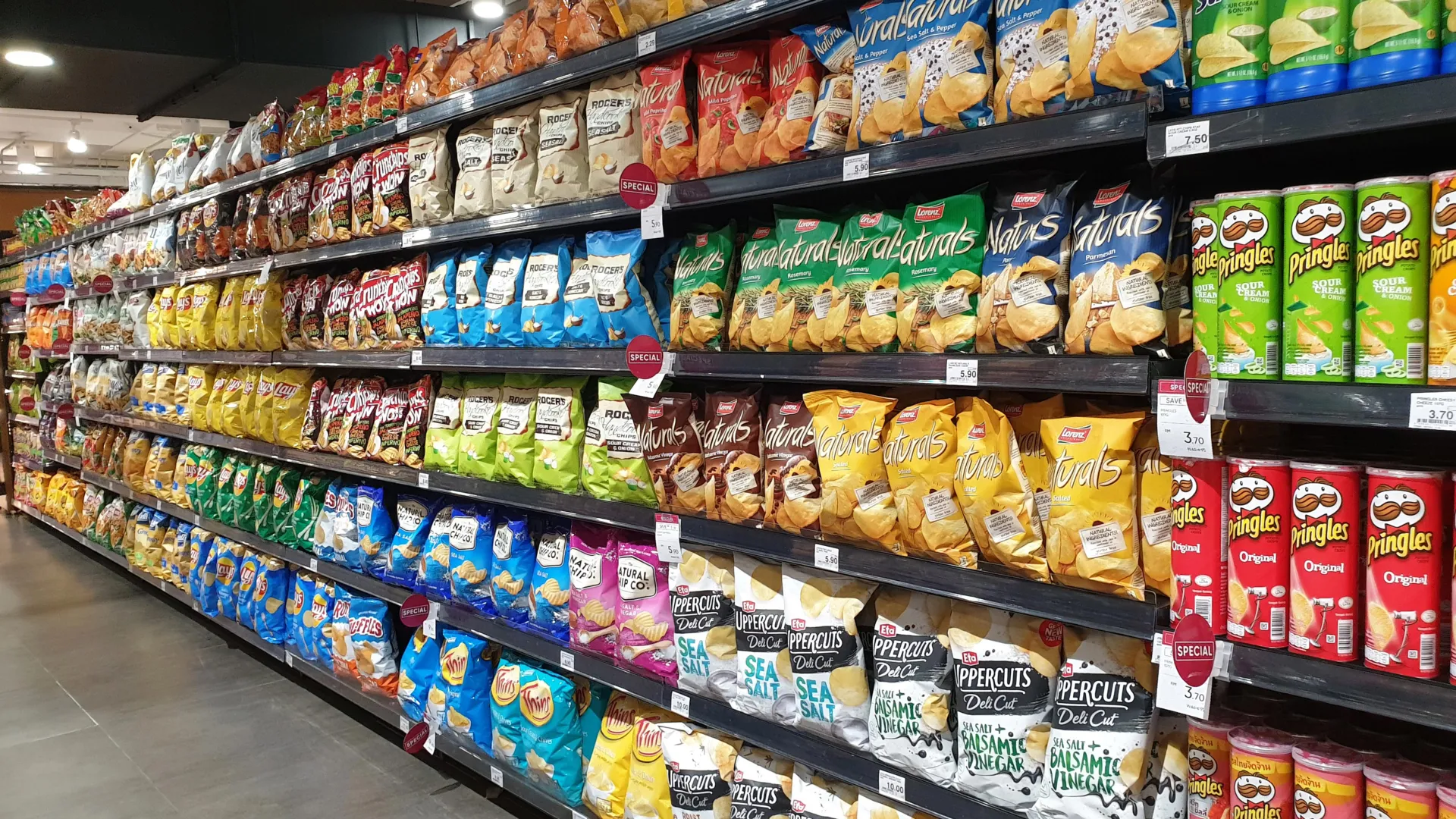
UPFs are not simply foods with added sugar or fat. They are industrial formulations made mostly or entirely from substances derived from foods, additives, and cosmetic ingredients, often with little to no whole food content. Examples include sugary drinks, packaged snacks, processed meats, instant noodles, and many ready-to-eat meals. These foods are engineered for hyper-palatability,driving overconsumption and disrupting natural appetite regulation.
The Scale of the Problem: A $1.9 Trillion industry
The rise of UPFs is not accidental. A key finding of this Series is that the dramatic increase in UPF consumption is primarily driven by the strategies of global food corporations, not individual consumer choices. With global annual sales reaching $1.9 trillion, UPFs represent the most profitable segment of the food industry. Since 1962, manufacturers of these products have delivered over $2.9 trillion in shareholder payouts, fueling expansion, aggressive marketing, and – critically – significant political influence.
“Powerful corporations – not individuals’ choices – are behind the global rise of ultra-processed foods,” states Professor Simon Barquera of the National Institute of public Health of Mexico. “Through interest groups, these corporations often position themselves as part of the solution, but their actions tell a different story – one focused on protecting profits and resisting effective regulation.”
How Corporations Maintain Dominance: A Sophisticated Political Strategy
The Series details the sophisticated political strategies employed by UPF companies to protect their interests. These tactics include:
* Blocking Regulations: Actively opposing policies aimed at limiting UPF consumption.
* Influencing Scientific Debates: Funding research that downplays the harms of UPFs or promotes industry-friendly narratives.
* Shaping Public opinion: Employing public relations campaigns to portray UPFs as convenient and affordable options.
* Lobbying & Political Donations: directly influencing policymakers through financial contributions and lobbying efforts.
* litigation: Using legal challenges to delay or weaken proposed regulations.
the health Consequences: A Growing Body of Evidence
The evidence linking UPF consumption to adverse health outcomes is mounting. Studies consistently demonstrate associations between high UPF intake and:
* Obesity & metabolic Syndrome: Increased risk of weight gain, type 2 diabetes, and cardiovascular disease.
* cancer: Higher incidence of certain cancers, including colorectal and breast cancer.
* Mental Health Issues: Increased risk of depression, anxiety, and cognitive decline.
* Gastrointestinal Disorders: Disruptions to the gut microbiome and increased risk of inflammatory bowel disease.
* Increased Mortality: Higher overall risk of premature death.
A Multi-Pronged Approach to Regulation and Reform
The authors of the Lancet Series advocate for a comprehensive, multi-pronged approach to address the UPF crisis. Key recommendations include:
* Front-of-Package Labeling: Mandatory,clear labeling that goes beyond simply listing fat,sugar,and salt. Labels should identify the presence of additives and industrial ingredients to prevent unhealthy ingredient substitutions.
* Marketing Restrictions: Stronger limits on marketing, notably targeting children, including restrictions on digital advertising and brand-level marketing.
* UPF Bans in public Settings: Prohibiting the sale of UPFs in schools, hospitals, and other public institutions. Brazil’s national school feeding program, which aims to eliminate most UPFs from school meals by 2026, is cited as a prosperous example.
* Shelf Space Caps: limiting the amount of shelf space dedicated to UPFs in supermarkets.
* Taxation & Subsidies: Taxing selected UPFs to generate revenue for subsidies supporting access to fresh, minimally processed foods, particularly for low-income households.
* Protecting Policy-Making from Industry Interference: Ending ties between industry and health organizations and strengthening networks advocating for reduced
Worth a look