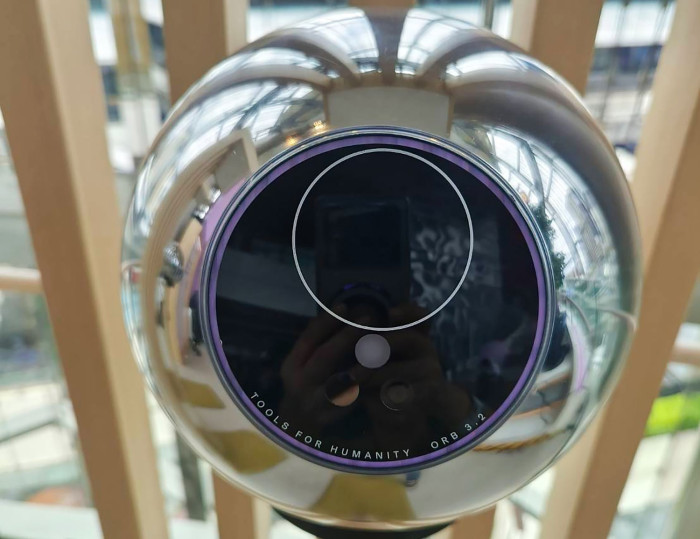
Thailand Suspends Worldcoin Operations amid Data Privacy & Scam Concerns
Bangkok, Thailand – Thai authorities have suspended biometric data collection activities related to Worldcoin, a cryptocurrency project offering tokens in exchange for iris scans, citing serious concerns over personal data protection and potential links to illicit financial networks.The move, spearheaded by the Personal Data Protection Committee (PDPC), underscores growing global scrutiny of Worldcoin’s practices and highlights the increasing regulatory challenges surrounding biometric data and cryptocurrency.
This article provides a comprehensive overview of the situation, detailing the reasons behind the suspension, the potential impact on Thai citizens, and the broader implications for the future of biometric-based cryptocurrency projects.
What is Worldcoin and Why the Controversy?
Worldcoin, backed by prominent figures including OpenAI’s Sam Altman, aims to create a globally inclusive identity and financial network. The project’s core mechanism involves verifying users as unique individuals through iris scans,granting them access to Worldcoin (WLD) tokens. The premise is to establish a worldwide basic income (UBI) system in a future perhaps dominated by AI.
However, the project has faced mounting criticism globally, and particularly in Thailand, revolving around several key issues:
* Data Privacy Violations: The PDPC expert committee steadfast that collecting sensitive biometric data – iris scans – in exchange for cryptocurrency fundamentally violates Thailand’s Personal Data Protection Act (PDPA).The concern centers on the lack of informed consent and the potential for misuse of highly personal information.
* Financial Risk to users: according to Opas Kamolsri, a representative of Tools for humanity Thailand (the organization behind Worldcoin), approximately 1.2 million Thai users who participated in the iris scan program could face losses totaling an estimated 1 billion baht, based on the current market value of WLD tokens.This highlights the inherent volatility and risk associated with cryptocurrency investments.
* links to criminal Networks: A recent investigative report by Whale Hunting revealed potential connections between Tools for Humanity and a significant criminal network operating in Cambodia. The investigation alleges that Worldcoin’s partnership with the cryptocurrency exchange KuCoin may have inadvertently provided legitimacy to illicit operations within Thailand.
* Global Regulatory Backlash: Thailand is not alone in its concerns. At least eight countries, including germany, Spain, South Korea, Indonesia, and Brazil, have already imposed similar restrictions on Worldcoin’s activities, demonstrating a widespread apprehension regarding its data handling practices.
The Thai Government’s Response: A Multi-Agency Approach
The Thai government’s response has been swift and coordinated, involving multiple agencies:
* personal data Protection Committee (PDPC): Issued orders to halt the collection of biometric data, citing non-compliance with the PDPA.PDPC Secretary-General Pol Col Suraphong Plengkham emphasized the orders are designed to prevent data leakage and illegal use of collected information.
* Ministry of Digital Economy and Society (MDES): Minister Chaichanok Chidchob affirmed the government’s commitment to promoting advanced technologies for identity verification, but stressed the paramount importance of adhering to data protection laws.
* Securities and Exchange Commission (SEC): Instructed digital asset service providers offering WLD tokens to issue clear and prominent warnings to customers regarding the risks associated with the cryptocurrency, particularly in light of the PDPC suspension. the SEC clarified that the suspension applies only to the biometric data collection aspect, not to the trading of WLD tokens themselves. However, platforms are required to display warning labels and inform users about the ongoing regulatory concerns. The SEC also actively encourages investors to verify the legitimacy of digital asset providers through its official website and mobile application.
* Cyber Crime Investigation Bureau (CCIB): Collaborated with the SEC to investigate a WLD exchange service and iris-scanning site in Bangkok on October 24th, resulting in the apprehension of suspects allegedly operating an unlicensed digital asset business.
What does This Mean for Worldcoin Users in Thailand?
The suspension primarily impacts the ability to newly register for Worldcoin and receive WLD tokens through iris scans. Existing token holders are still able to trade WLD on licensed exchanges, but are strongly advised to exercise caution and understand the inherent risks.
The MDES estimates that approximately 1.2 million Thais participated in the program before the suspension. These users are now facing potential financial losses as the value of their WLD tokens fluctuates. The government is currently evaluating options to mitigate these losses,but no concrete solutions have been announced.
Looking Ahead: The Future of Biometric Cryptocurrency
The situation in Thailand serves as a critical case study for the broader debate surrounding
Keep reading