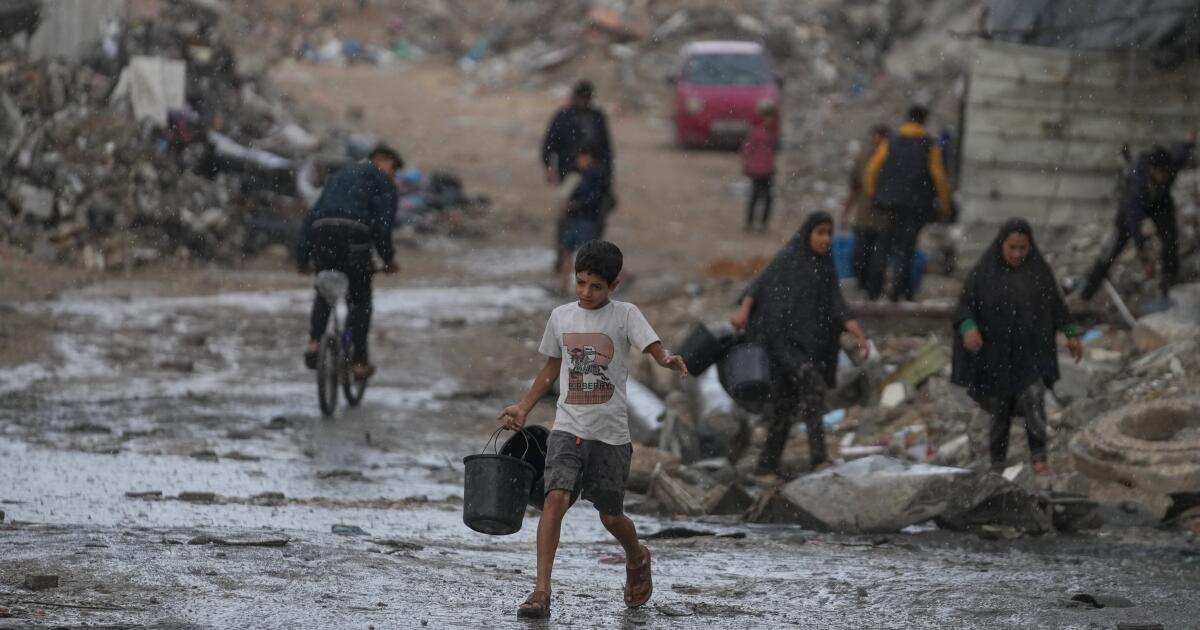
The Looming Global Water Crisis: Conflicts Are Rising
Water scarcity is no longer a distant threat – it’s a present reality fueling conflicts around the globe. Recent data reveals a disturbing trend: water-related disputes are escalating in frequency and intensity, impacting communities and nations alike.Understanding this crisis and its potential consequences is crucial for everyone.
A Growing Number of Conflicts
Researchers at the Pacific institute have meticulously documented over 2,750 water-related conflicts worldwide. Significantly, the vast majority of these incidents have occurred since the year 2000, indicating an accelerating problem.They are actively updating their database with incidents from 2025 and beyond, revealing a continuously evolving situation.
This isn’t simply about droughts; it’s about the ripple effect of water stress on societal stability. It’s a complex issue demanding immediate attention at both national and international levels.
Recent Flashpoints: From Cyberattacks to Clashes
The year 2024 saw a concerning rise in attacks targeting water infrastructure. Here’s a look at some key events:
* United States: Cyberattacks struck water utilities in Texas and Indiana. Russian hackers claimed responsibility for disrupting a wastewater treatment plant in Indiana, causing minimal operational issues. simultaneously, a pro-Russian group manipulated systems in small Texas towns, leading to water overflows.
* Iran: A severe drought, exacerbated by climate change, ignited violent clashes between farmers and security forces. these farmers where desperately demanding access to vital river water. The crisis has become so dire that the Iranian government is considering relocating the capital city, tehran, due to unsustainable water resources.
* Iran & Afghanistan: Tensions are escalating over the Helmand River, with Iran accusing afghanistan of restricting water flow. Experts predict further violence if the drought persists and water management doesn’t improve.
Why is This Happening? The Interplay of Factors
Several interconnected factors are driving this surge in water conflicts:
* Climate Change: Altered precipitation patterns, increased evaporation, and more frequent extreme weather events (droughts and floods) are intensifying water scarcity.
* Population Growth: A growing global population places increasing demands on limited water resources.
* Unsustainable Practices: Decades of excessive groundwater pumping, inefficient irrigation techniques, and inadequate water management contribute to depletion.
* Geopolitical Tensions: Shared water resources often become points of contention between nations, especially in regions already experiencing political instability.
What Does This Mean for You?
You might be wondering how a conflict over water in a distant country affects your life. The truth is, the consequences of global water scarcity are far-reaching.
* Food Security: Water is essential for agriculture. Conflicts disrupting water supplies threaten food production and can lead to price increases.
* Economic Stability: Water scarcity can hinder industrial production, energy generation, and overall economic growth.
* Migration & Displacement: Water stress can force people to leave their homes in search of more enduring living conditions, contributing to mass migration.
* National Security: Competition for dwindling water resources can exacerbate existing tensions and potentially lead to broader conflicts.
Looking Ahead: What needs to Be Done?
Addressing this crisis requires a multifaceted approach. Here are some critical steps:
* Improved Water Management: Implementing efficient irrigation techniques, reducing water waste, and investing in water conservation technologies are essential.
* International Cooperation: Nations must collaborate to manage shared water resources equitably and sustainably.
* Climate Change Mitigation: Reducing greenhouse gas emissions is crucial to slow down the pace of climate change and its impact on water availability.
* Investment in Infrastructure: Upgrading water infrastructure, including treatment plants and distribution networks, is vital to ensure reliable access to clean water.
* Conflict Resolution Mechanisms: Establishing effective mechanisms for resolving water-related disputes peacefully is paramount.
The global water crisis is a complex challenge,but it’s one we must confront head-on. By understanding the risks and taking proactive steps, we can work towards a more water-secure future for all. Ignoring this issue will only lead to more conflict, instability, and hardship
- Cecotec PrecisionCare X-Trimm ProElite 4000 Review: Best Budget Foil Shaver?
- Dubai Financial Market Rises on Banking Sector Support Amid Selective Buying and Heavy Trading
- Apple Earnings Preview: Stock Nears Record Ahead of Q4 Report (world-today-news.com)
- Nepal Communal Violence: 1 Dead and Curfews Imposed Across Multiple Districts (time.news)