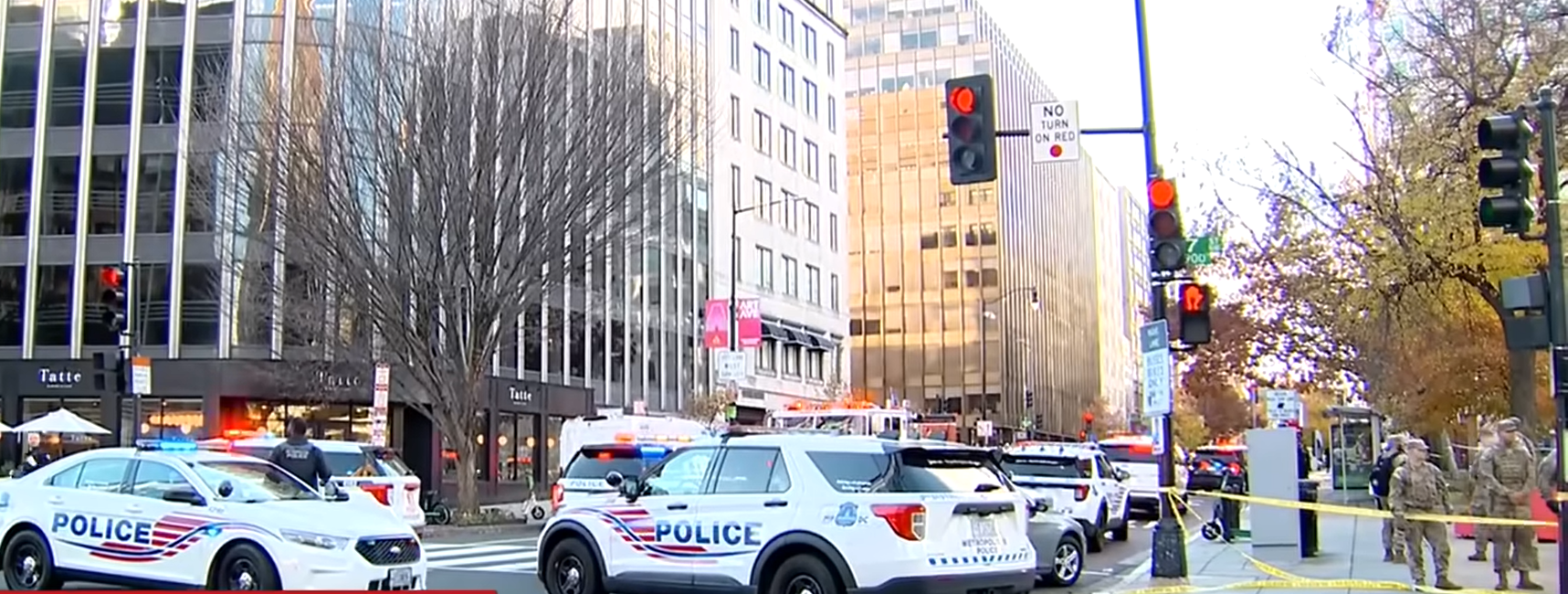
Shooting Near White House: Afghan National Charged with Murder – A Deep Dive
The shooting near the White House on Wednesday, November 27th, has escalated dramatically. An Afghan national, identified as Rahmanullah Lakanwal, will now face first-degree murder charges following the death of a National Guard member and the critical wounding of another. This incident has ignited a firestorm of debate, touching on national security, immigration policy, and the ongoing repercussions of the US withdrawal from Afghanistan. But what exactly happened, and what are the broader implications?
The Incident: What we certainly know
Rahmanullah Lakanwal, 29, allegedly opened fire on a group of National Guard soldiers patrolling near the white House with a .357 Smith and Wesson revolver. The attack resulted in the tragic death of Sarah Beckstrom, a 20-year-old West Virginia National Guard member. Another soldier, 24-year-old Andrew Wolfe, remains in critical condition, “fighting for his life” according to officials.
Lakanwal reportedly traveled across the country from Washington state to carry out the attack. US Attorney for Washington DC, jeanine Pirro, described the shooting as a “premeditated murder” and an “ambush.” This suggests a purposeful act of violence, raising serious questions about motive and potential planning.
The Accused: Rahmanullah Lakanwal and His Background
Initial reports indicate Lakanwal was associated with ”Zero Units,” a counterterrorism group reportedly backed by the CIA. This connection has promptly fueled speculation about his training, potential motivations, and whether his past involvement played a role in the shooting.
However, details surrounding his background remain complex. Some officials have pointed to lax asylum policies following the US withdrawal from Afghanistan as a contributing factor to his entry into the country. AfghanEvac, an organization assisting Afghan resettlement, counters this claim, stating that Afghans resettled in the US underwent ”some of the most extensive security vetting” of any migrant group. This discrepancy highlights the contentious debate surrounding immigration and security protocols.
political Fallout and Policy Implications
The shooting has quickly become entangled in the broader political landscape, bringing together several sensitive issues:
* Domestic Military Deployment: President Trump’s decision to deploy the National Guard to Washington D.C. as part of a crackdown on crime is under renewed scrutiny.
* Immigration Policy: The incident has prompted calls for stricter immigration controls, with President Trump vowing to suspend migration from ”third world countries” and perhaps reverse admissions granted under the Biden administration.
* Afghanistan Withdrawal Legacy: The shooting has reignited debate over the chaotic US withdrawal from Afghanistan and the vetting processes for afghan refugees.
These issues are deeply divisive,and the shooting has undoubtedly intensified the rhetoric surrounding them.
Evergreen Insights: Navigating Security threats in a Changing World
The incident near the White House serves as a stark reminder of the evolving nature of security threats. traditional notions of national security are being challenged by factors like:
* The Rise of non-State Actors: Groups and individuals operating outside the control of nation-states pose increasingly complex security challenges.
* The Impact of Foreign Policy: Decisions made abroad, such as military interventions and withdrawal strategies, can have direct consequences for domestic security.
* The Importance of Thorough Vetting: Robust and thorough vetting processes are crucial for identifying and mitigating potential threats,but must also balance security concerns with humanitarian obligations.
Understanding these dynamics is essential for developing effective security strategies in the 21st century.
FAQ: Addressing Your Questions About the White House Shooting
1. What is the current status of the investigation into Rahmanullah Lakanwal?
The investigation is ongoing, but Lakanwal has been charged with first-degree murder and is expected to face additional charges. Authorities are working to determine his motive and any potential connections to larger networks.
2. What are “Zero Units” and what role did they play in this case?
“Zero Units” were reportedly CIA-backed counterterrorism groups operating in Afghanistan. Lakanwal’s alleged association with this group is under investigation to determine if it influenced his actions.
3. How has President Trump responded to the shooting near the White House?
President Trump has expressed condolences to the family of Sarah Beckstrom and vowed to strengthen immigration policies, including suspending migration from certain countries.
4. What is AfghanEvac’s perspective on the security vetting of Afghan refugees?
AfghanEvac maintains that Afghans resettled in the US underwent rigorous