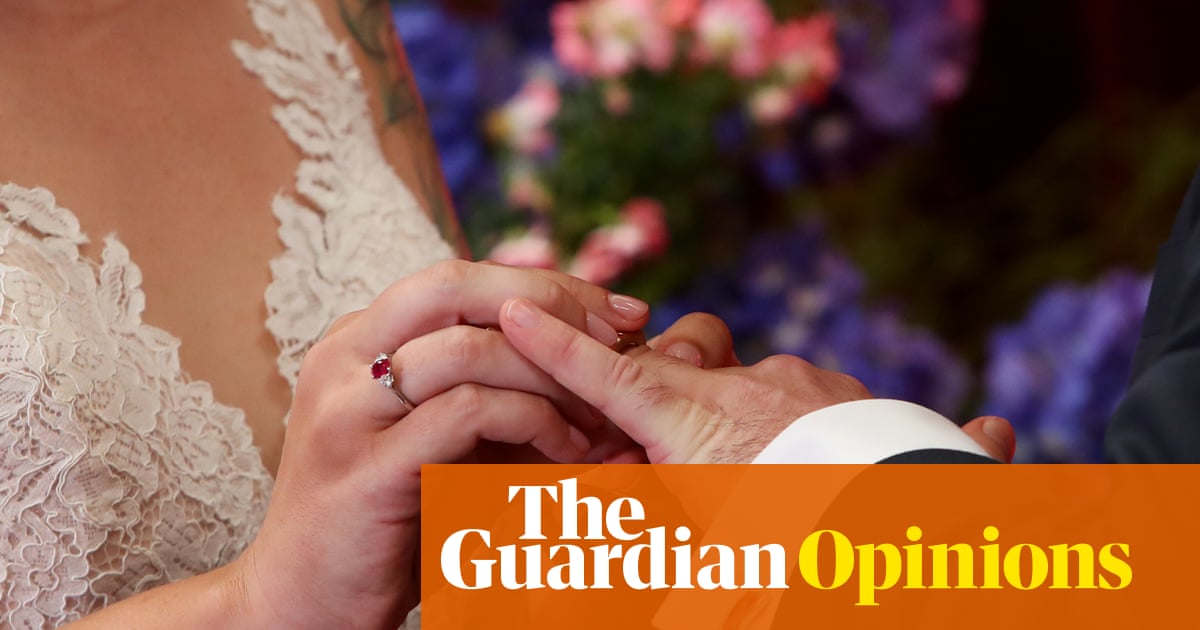
The Shifting Landscape of Marriage: Why Fewer Young Women Are Saying “I Do”
Recent trends reveal a significant decline in marriage rates among young women, sparking considerable discussion. A recent segment on a New York Times podcast explored this phenomenon, uncovering a complex interplay of societal and economic factors. Understanding these shifts is crucial for anyone contemplating their future or observing the evolving dynamics of modern relationships.
The “Capstone” vs. “Cornerstone” Debate
Traditionally,marriage was often viewed as the foundational “cornerstone” of adulthood. However, a growing perspective positions it as a “capstone”-something achieved after establishing financial stability, career success, and secure living arrangements. This shift, highlighted by research at the Institute for Family Studies, reflects a changing societal expectation.
Consider these points:
* Employment is increasingly precarious, making long-term financial planning tough.
* Affordable housing is becoming increasingly scarce, delaying independence.
* Young adults are prioritizing personal and professional growth before settling down.
The Burden of Unbalanced Responsibilities
For many women, the Covid-19 pandemic starkly illustrated the unequal distribution of caregiving responsibilities within households. This experience has understandably led to concerns about the potential burdens of parenthood. You might be questioning whether the societal expectation of women bearing the brunt of childcare aligns with your aspirations.
A Positive Reframe: Choosing Marriage, Not being Pressured Into It
Interestingly, this isn’t necessarily a story of women abandoning marriage altogether.Instead, it suggests a move towards more intentional choices. Perhaps a healthier future involves onyl those who genuinely desire marriage entering the institution.
This offers several benefits:
* Reduced pressure to conform to societal expectations.
* Stronger foundations built on mutual desire and compatibility.
* A potential increase in marital satisfaction.
what Does This Mean for You?
Ultimately, the evolving landscape of marriage empowers you to define your own path. You are no longer bound by traditional timelines or expectations. if marriage aligns with your values and goals, pursue it thoughtfully and intentionally. If not, that’s perfectly valid too.
Remember,a fulfilling life doesn’t require a marriage certificate. It requires self-awareness, intentionality, and the courage to build a life that reflects your authentic self. The future of relationships is becoming increasingly diverse, and that’s something to embrace.
Resources for Further Exploration:
* Institute for family Studies Blog
Related reading