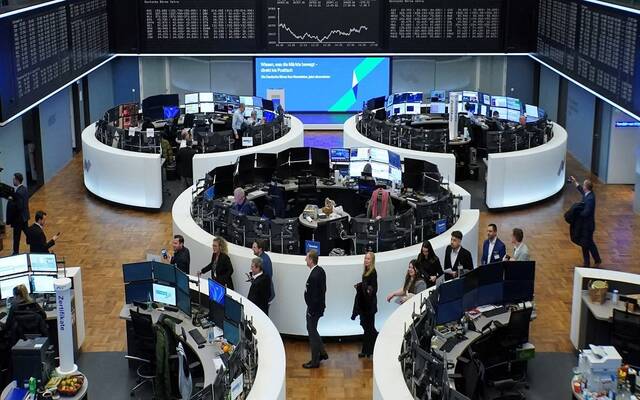
The STOXX 600 index rose 0.4%, supported by gains in the banking and pharmaceutical sectors despite ongoing geopolitical tensions and AI valuation concerns.
Investor sentiment shifted upward as a series of robust quarterly results offset weaknesses in the consumer sector. According to reporting from Investing, the STOXX 600 climbed 0.4% in early trading, moving closer to the peaks reached late last week.
Oil Price Drops and Diplomatic Shifts
A significant driver for the market’s resilience was a sudden drop in energy costs. Mubasher reported that global oil prices fell by more than 4% following an announcement by U.S. President Donald Trump regarding direct talks with Iranian officials. Trump stated he had canceled a planned military strike to pursue a diplomatic agreement intended to reopen the Strait of Hormuz.
This diplomatic pivot provided immediate relief to energy-importing European economies. The lower costs specifically bolstered industrial companies and the travel and consumer goods sectors, which had previously struggled with high production costs. However, Investing noted that some energy traders remain cautious due to reported slowdowns in shipping traffic through the Strait of Hormuz, suggesting that supply bottlenecks could persist.
Corporate Earnings: Bayer and HSBC
Individual corporate reports provided a mixed but generally positive backdrop for the session. Bayer achieved another positive surprise, with its stock rising 4.30% after announcing an unexpected 1.90% increase in adjusted second-quarter EBITDA driven by resilient pharmaceutical sales that offset headwinds in the agricultural market, according to Investing.
In the banking sector, HSBC exceeded second-quarter profit expectations, supported by strong wealth management performance and resilient net interest income. Despite these results, the stock fell 0.40%. The bank did, however, announce a new $1,000,000,000 share buyback program.
Contrastingly, some consumer-facing firms struggled.
Pharma Mergers and Market Volatility
The pharmaceutical sector experienced significant volatility due to merger speculation. AstraZeneca shares fell 7%, following a report from Reuters that the company was engaged in preliminary talks with Bristol Myers Squibb.
Inflation Data and Central Bank Outlook
While equity markets are climbing, macroeconomic indicators present a more complex picture. Preliminary data shows annual inflation in the Eurozone rose to 2.9% in July, up from 2.8% in June, primarily due to energy price spikes linked to Middle East tensions. While food price growth has slowed and the labor market has weakened, persistent inflation in the services sector is fueling expectations that the European Central Bank may raise interest rates again this autumn, Mubasher reported.
In the U.S., June Personal Consumption Expenditures (PCE) data came in lower than expected. However, core inflation remains above the Federal Reserve’s 2% target, maintaining uncertainty over how long high interest rates will persist.
The SpaceX IPO Benchmark
Global traders are now focusing on upcoming financial results from the U.S., specifically from chipmakers and Elon Musk’s SpaceX. The SpaceX results are viewed as a critical barometer for investor appetite and valuation multiples for tech giants, following its $85,700,000,000 initial public offering in June. Investing reports that the stock has fallen more than 50% from its post-IPO peak, largely due to heavy spending on AI infrastructure and fluctuating cash burn rates.
Related reading