Pakistan Navigates Complex Regional Challenges: Afghanistan, Gaza, and teh Path Forward
Pakistan finds itself at a critical juncture, grappling with escalating security concerns stemming from Afghanistan and together considering its role in the evolving situation in Gaza. Recent statements from key Pakistani officials, including Finance Minister Ishaq Dar, reveal a nuanced approach to these challenges, balancing a commitment to regional stability with firm red lines regarding national security and international obligations. This article provides an in-depth analysis of Pakistan’s position, its concerns, and its potential course of action.
The Escalating Crisis with Afghanistan
The core of Pakistan’s immediate concerns lies with the deteriorating security situation along its border with Afghanistan.Despite repeated appeals to the Taliban regime, cross-border militant attacks, primarily attributed to the Tehreek-e-Taliban Pakistan (TTP), continue to rise.
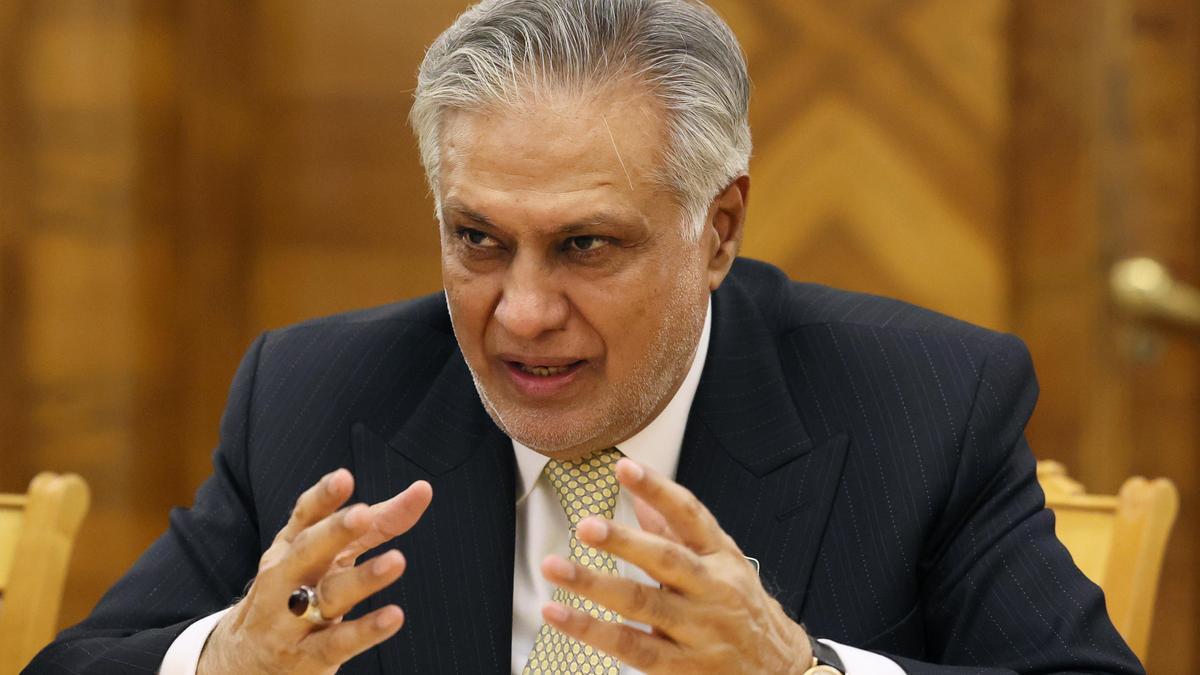
Finance Minister Dar recently voiced Pakistan’s frustration, stating that the violence isn’t diminishing. He emphasized Pakistan possesses the capability to address the issue,but stressed the need for a measured response. “allah has given pakistan the strength to act on it and make things right, but it is indeed also not right that we go to our brother’s house and enter and kill him,” he stated, highlighting the delicate diplomatic balance.
Here’s a breakdown of the key issues:
* Pakistan’s Allegations: Islamabad consistently accuses the Afghan Taliban of providing safe haven to TTP militants who launch attacks within Pakistan.
* Failed Ceasefire: A recent attempt at a ceasefire faltered, as the Taliban failed to demonstrably curb terrorist activities originating from Afghan soil. Technically, no truce exists as the core condition – halting attacks – remains unmet.
* Regional Support: pakistan has garnered support from the European Union, which echoes concerns about terrorism emanating from Afghanistan.
* refugee Repatriation: Pakistan is currently repatriating Afghan refugees, aiming to do so with dignity while simultaneously acknowledging the need for stability within Afghanistan.Pakistan hopes for a future where Afghanistan can thrive.
Pakistan’s Stance on the Gaza Conflict & the International Stabilisation Force (ISF)
Beyond Afghanistan,Pakistan is actively considering its involvement in the ongoing conflict in Gaza.the nation has expressed a willingness to contribute troops to a potential International Stabilisation Force (ISF), authorized by a recent UN Security Council resolution based on a U.S.-brokered peace plan. However, Pakistan has drawn a firm line regarding its role.
You need to understand that Pakistan is prepared for peacekeeping, not peace enforcement.
* no Disarmament of Hamas: Pakistan has explicitly stated it will not participate in any efforts to disarm Hamas. Finance Minister Dar clarified, “This is not our job, but of the Palestinian law enforcement agencies.”
* Mandate & TOR Crucial: A final decision on Pakistan’s contribution hinges on the ISF’s specific mandate and terms of reference (TOR). prime Minister has, in principle, agreed to contribute after consulting with the field marshal.
* Focus on Stability: Pakistan’s primary focus is on contributing to a stable and peaceful habitat in Gaza, aligning with its long-standing support for the palestinian cause.
What Does This Mean for Pakistan – and the Region?
Pakistan’s current approach reflects a complex balancing act.It aims to protect its national security interests while maintaining diplomatic channels and contributing to regional stability.
Here’s what you should take away:
* Increased Pressure on the Taliban: Pakistan is signaling a growing impatience with the Taliban’s failure to address the TTP threat. Further escalation is absolutely possible if the situation doesn’t improve.
* Strategic Positioning in Gaza: Pakistan’s cautious approach to the ISF demonstrates a desire to play a constructive role in Gaza without becoming entangled in a perhaps divisive mission.
* Regional Diplomacy: Pakistan is actively engaging with key regional and international players to garner support for its positions on both Afghanistan and Gaza.
Looking Ahead
The coming weeks will be crucial. Pakistan’s decision regarding the ISF will be closely watched, as will its response to continued cross-border attacks from Afghanistan. Successfully navigating these challenges requires a combination of firm resolve, strategic diplomacy, and a commitment to long-term regional stability. Pakistan’s leadership understands the stakes are high, and its actions will undoubtedly shape the future of the region.