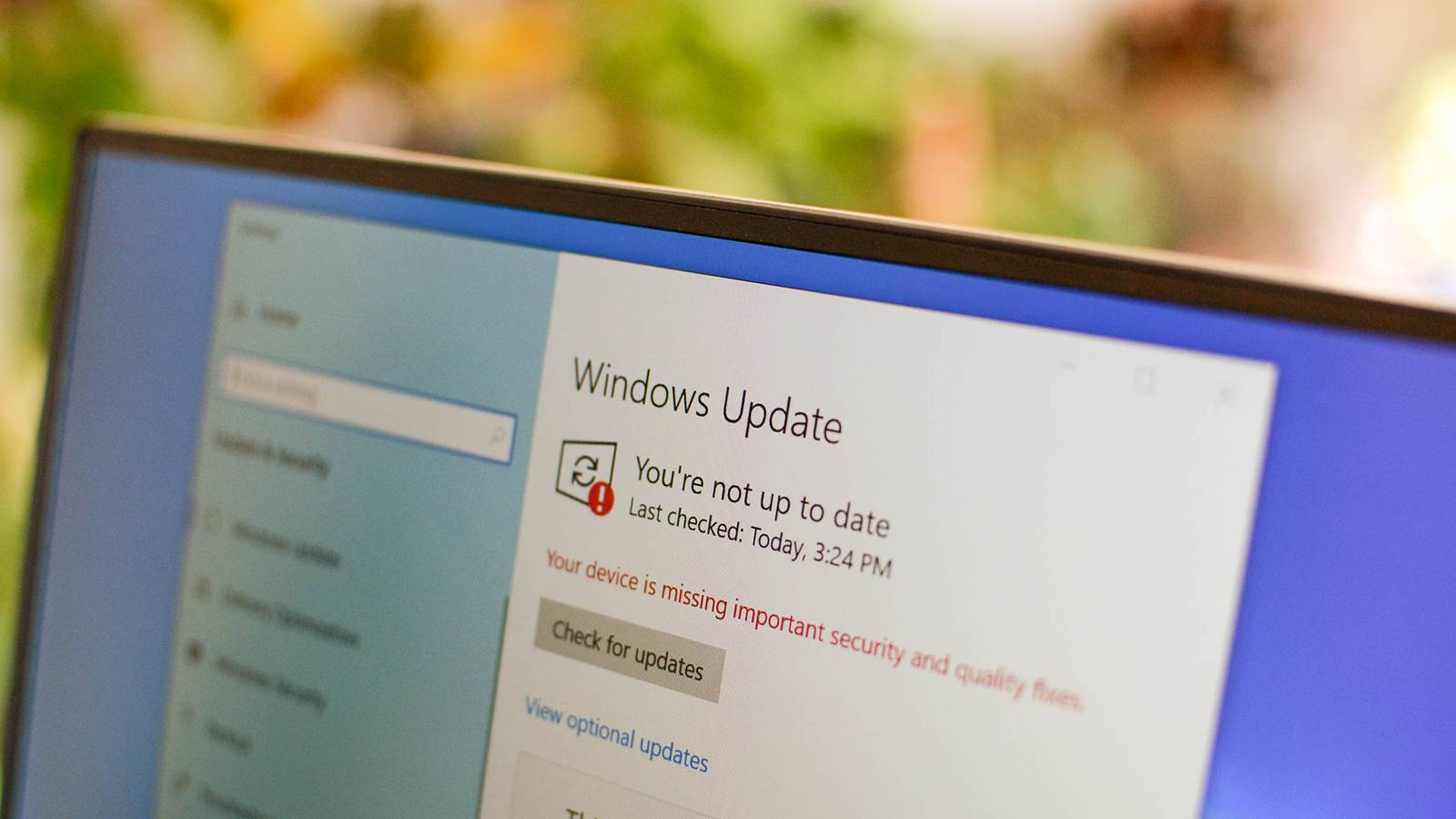
The Diminishing Option of Local Windows Accounts: What You Need to Know
The landscape of Windows setup is changing, and it’s impacting your ability to use a customary local account. Recent developments signal a significant push by Microsoft to steer users toward Microsoft accounts, raising concerns about data privacy and user control. This isn’t just a minor inconvenience; it represents a fundamental shift in how you interact with your operating system.
The Trend Towards Microsoft Accounts
For some time, Microsoft has been subtly making it harder to create a local account during Windows installation. initially, the option was readily available. Now, it’s hidden, requiring workarounds like specialized tools or command-line instructions.
Recent insider builds of Windows confirm this trend is accelerating. Microsoft is actively removing established methods for creating local accounts during the initial out-of-box experience (OOBE). specifically, these builds now require both an active internet connection and a Microsoft account to complete the setup process.
What Does this Meen for You?
This change effectively limits your ability to set up Windows with a local account from the start. Experts suggest that even creating a local account after initial setup might leave traces of cloud connectivity. This raises questions about the true extent of privacy you can achieve.
Here’s a breakdown of the implications:
* Reduced Privacy: Microsoft accounts inherently involve data collection and synchronization with Microsoft’s cloud services.
* Increased Dependency: Relying on a Microsoft account ties your system access to that account’s security and availability.
* Limited Control: You have less control over your data and system configuration when integrated with Microsoft’s ecosystem.
* Potential for Lockout: Issues with your Microsoft account (forgotten password, security breaches) could perhaps lock you out of your own computer.
Why is Microsoft Doing This?
While Microsoft hasn’t explicitly stated its reasoning, the move likely aligns with its broader strategy to integrate its services more deeply into the Windows experience. A connected ecosystem allows for features like seamless synchronization, cloud backups, and personalized experiences. However, these benefits come at the cost of user privacy and control.
What Are Your Options?
Currently, you still have some options, but they are becoming increasingly limited.
* Rufus: This popular tool allows you to bypass the Microsoft account requirement during installation.
* Command-Line workarounds: Advanced users can employ specific commands during setup to create a local account.
* Post-Setup Local Account Creation: you can attempt to create a local account after the initial setup is complete, though as mentioned, this may not be entirely “clean.”
Though, these workarounds are likely to become less effective as Microsoft continues to tighten restrictions.
Considering Alternatives
If you prioritize data privacy and control, now is the time to seriously consider alternative operating systems.Several excellent options offer a more privacy-focused approach.
* Linux Distributions: Distributions like Ubuntu, Fedora, and Mint provide robust, customizable, and privacy-respecting alternatives to Windows.
* Other operating Systems: Explore other options that prioritize user control and data security.
the direction windows is heading is clear. Microsoft is pushing for a more connected, cloud-centric experience. If you value your digital independence, proactively exploring alternatives is a wise move. Don’t wait until the option of a local account disappears entirely.