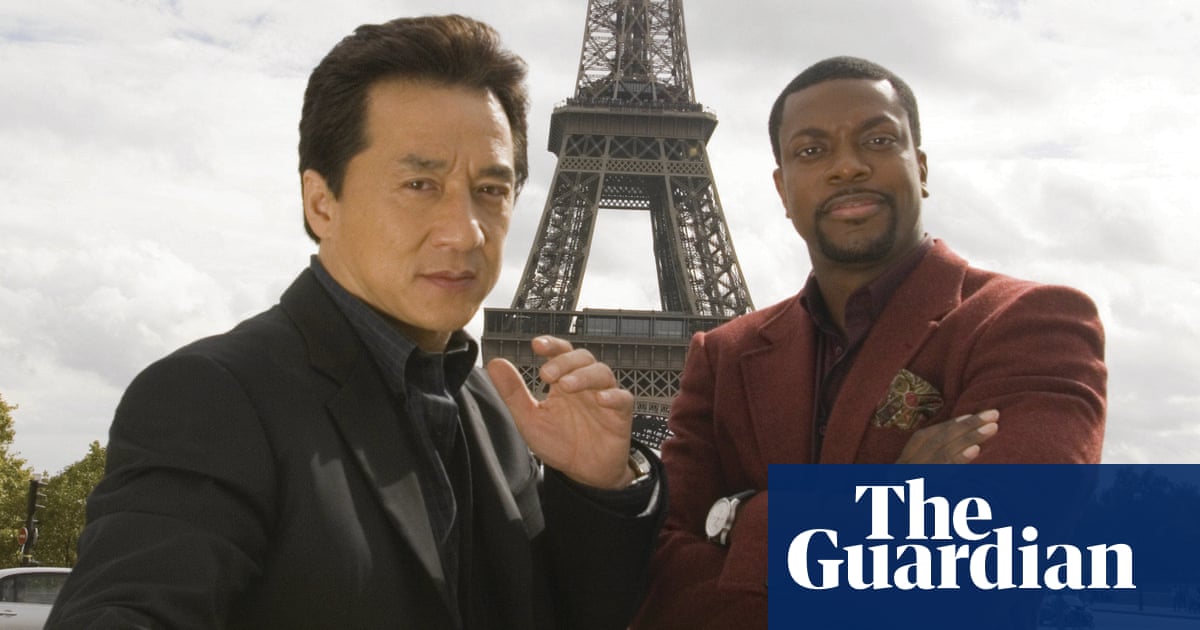
Rush Hour 4: A Controversial Revival and What It Signals for Hollywood
A surprising development is brewing in Hollywood: a fourth installment of the Rush Hour franchise is moving forward. This project isn’t just a nostalgic trip; it’s a complex story involving a controversial director, shifting studio dynamics, and a potential glimpse into the future of entertainment under a second Trump governance.
Funding and Distribution Secured
Paramount Pictures has reportedly secured funding for Rush Hour 4,and a distribution deal is in place with Warner Bros., the studio that originally released the blockbuster series through its New Line banner. This comes after years of difficulty securing financing, despite the industry’s current reliance on established franchises and familiar intellectual property.
The Return of Brett Ratner
The film’s director, Brett Ratner, brings with him a significant amount of baggage. He faced numerous accusations of sexual assault in 2017, allegations that effectively halted his career. Ratner afterward filed a defamation lawsuit against Melanie Kohler,a former employee who publicly accused him of rape; the case was settled in 2018.
Despite these serious allegations, Ratner recently completed a $40 million documentary about Melania Trump for Amazon MGM Studios. This film is scheduled for theatrical release on January 30th, demonstrating a continued willingness within parts of the industry to work with him.
why Rush Hour Now?
The original Rush Hour trilogy was a massive success, grossing over $850 million worldwide, and particularly resonated with audiences in China. But does the world truly need another installment? Many industry observers question the demand, suggesting that market forces would have already delivered a fourth film if there was genuine enthusiasm.
A Broader Political Context
The revival of Rush Hour is widely viewed as more than just a cinematic endeavor. It appears to be part of a larger effort to reshape Hollywood culture, emphasizing what some perceive as “old-fashioned masculinity.” This aligns with recent moves by the former president, including the appointment of Sylvester Stallone, Jon Voight, and Mel Gibson as unofficial “special ambassadors” to the entertainment industry.
Here’s what you need to understand about the implications:
* A Shift in Priorities: The project suggests a potential move away from current Hollywood trends toward more traditionally action-oriented, male-led narratives.
* Controversial Figures: The involvement of Ratner raises ethical questions about accountability and the industry’s willingness to overlook past misconduct.
* Political Influence: The broader context points to a possible attempt to exert political influence over the content produced in Hollywood.
Ultimately, Rush Hour 4 represents a captivating and perhaps troubling intersection of entertainment, politics, and accountability.As the project moves forward, it will be crucial to watch how it impacts both the film industry and the ongoing conversations surrounding power and responsibility within it.
Related reading
- How to Manage Egos and Media: Lessons from Warner and Universal Music
- Richard Hawley Joins Reverend And The Makers at Tramlines Festival: Watch ‘Silence Is Talking’ Performance
- Phoenix Movie Review: A Must-Watch Film (archynewsy.com)
- The Senate Blue Slip, Explained: The Custom Trump Wants Gone (daybreakwire.com)