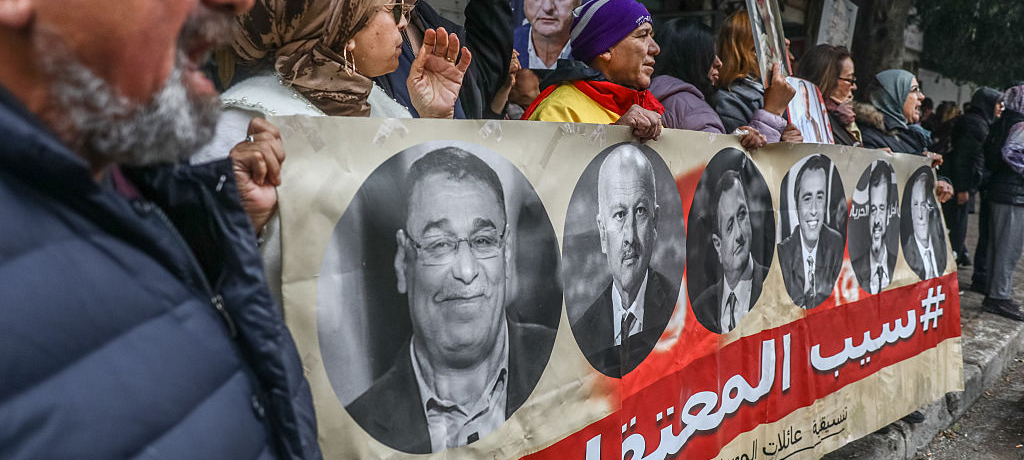
Tunisia‘s Descent into Authoritarianism: Appeals Court Ruling Deepens Concerns Over Political Repression
A recent ruling by the Tunis Court of Appeal has ignited widespread condemnation from international human rights organizations, signaling a perilous escalation of political repression in Tunisia. The court upheld convictions in the highly controversial “conspiracy case,” a trial widely criticized for its blatant disregard for due process and its targeting of political opposition, lawyers, and human rights defenders. This decision, as highlighted by Amnesty International’s Deputy Regional Director for the Middle East and North Africa, Sara Hashash, represents “an appalling indictment of the Tunisian justice system.”
A Sham Trial and Politically Motivated Charges
The “conspiracy case” centers around the prosecution of 37 individuals accused of “conspiracy against state security” – charges that critics argue are deliberately vague and politically motivated. The initial trial, concluded in april 2024 by the Tunis Court of Frist Instance, resulted in draconian sentences ranging from four too 66 years in prison. the proceedings were promptly flagged for serious fair trial violations, a lack of openness, and evidence of executive interference.
The recent Appeals Court decision has not rectified these fundamental flaws. While a small number of defendants saw reduced sentences or were acquitted, others faced increased penalties. Notably, Jahouher Ben Mbarek, a prominent figure already enduring 31 days on a hunger strike in protest against his arbitrary detention and wrongful trial, had his sentence extended from 18 to 20 years. This act underscores a disturbing trend: peaceful opposition is now effectively criminalized in Tunisia, punishable by lengthy imprisonment.
Systematic Erosion of Due Process
The concerns extend beyond sentencing. Amnesty International and other observers have documented a systematic dismantling of due process throughout the case. Key violations include:
* Remote Hearings: The court’s insistence on conducting trials remotely, citing unsubstantiated “imminent danger,” denies defendants their fundamental right to be physically present in court and effectively hinders their ability to mount a proper defense. This practice, implemented for all terrorism trials since April 2024, raises serious questions about transparency and fairness.
* Limited Notification: Defendants, particularly those in detention, were often notified of hearings with minimal notice, further obstructing their ability to prepare and participate effectively.
* Targeting of Legal Depiction: The state’s continued harassment and targeting of lawyers representing the accused creates a chilling effect on legal defense and undermines the right to counsel.
These actions collectively demonstrate a deliberate campaign to silence dissent and erode fundamental rights,transforming the justice system into a tool for political repression.
Imminent Risk of Arbitrary Arrests
The Appeals Court ruling has placed several prominent political activists and human rights defenders at immediate risk of arbitrary arrest. Chaima issa, Ahmed Nejib Chebbi, and Ayachi Hammami, all convicted and sentenced to 20, 12, and 5 years respectively, now face imminent detention. This highlights the chilling effect of the ruling and the vulnerability of those who dare to challenge the current government.
A Broad Sweep of Repression
The scope of the “conspiracy case” is alarming.among those sentenced are:
* Political Leaders: Six opposition figures, including Khayyam Turki (35 years), Jaouhar Ben Mbarek, Issam Chebbi, Ghazi Chaouachi, ridha Belhaj (20 years each), and Abdelhamid Jelassi (10 years), have been arbitrarily detained since February 2023.
* Former Government Officials: Senior figures from the former ruling Ennahdha party, such as Noureddine Bhiri (20 years), Sahbi Atig (10 years), and Said Ferjani (10 years), have also been targeted.
* Exiled Activists: The case extends beyond Tunisia’s borders, with 20 individuals living abroad, including prominent human rights defender bochra Bel Haj Hmida (33 years), also receiving lengthy prison sentences.
This broad targeting demonstrates the government’s intent to suppress all forms of opposition, irrespective of affiliation or location.
Call for Immediate Action
The international community must respond decisively to this escalating human rights crisis. The Tunisian authorities must:
* Quash the Unjust Convictions: Immediately overturn the convictions and sentences of all defendants in the “conspiracy case.”
* release Detainees: Unconditionally release all individuals detained solely for exercising their human rights.
* End Political persecution: Cease the relentless, politically motivated persecution of critics, opponents, and legal professionals.
* Uphold Judicial Independence: Ensure the independence and impartiality of the judiciary, allowing it to serve as a genuine check on government power.
Failure to address this situation will further embolden authoritarian tendencies and plunge Tunisia into a full