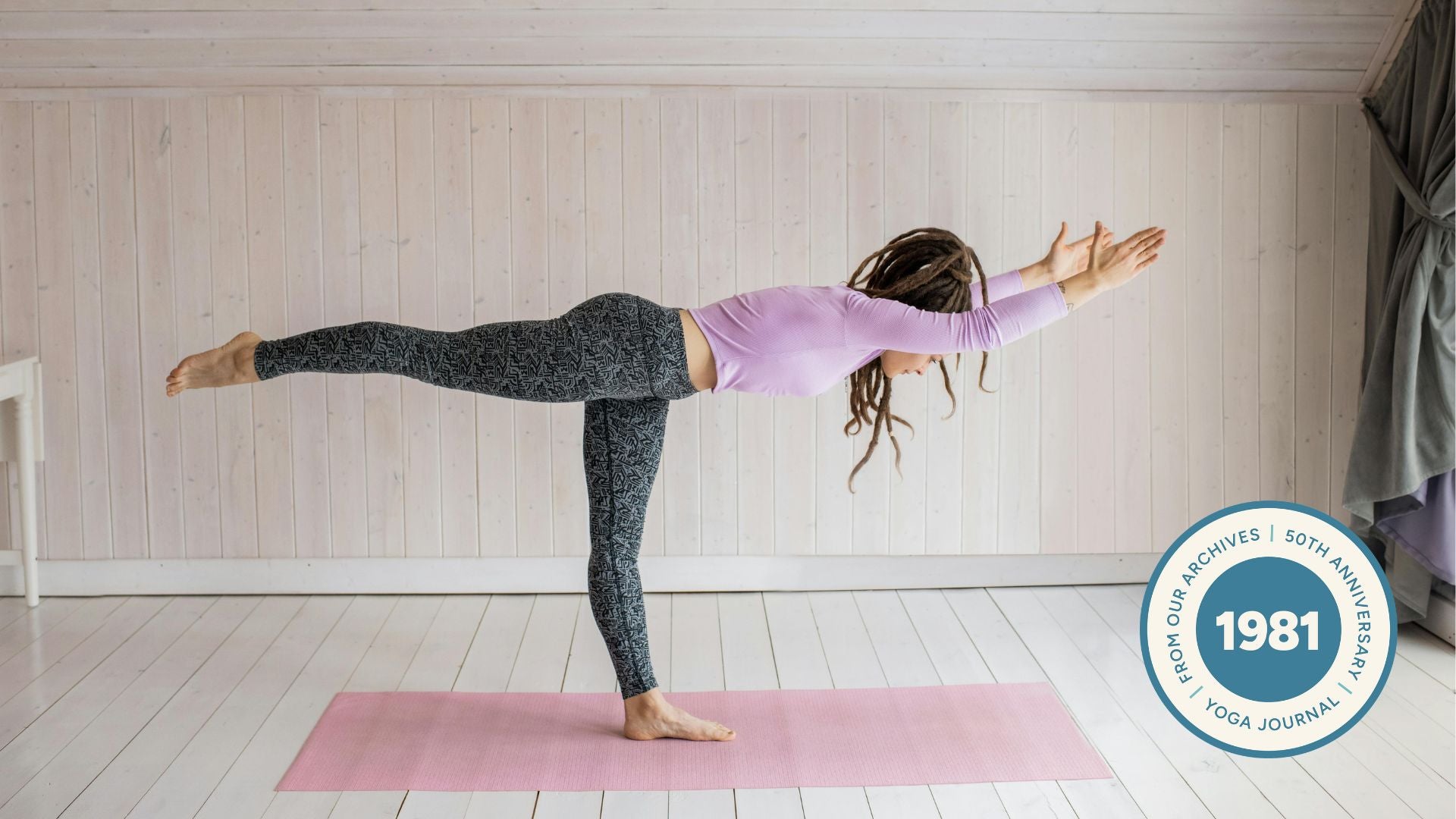
Finding Balance: A Deep Dive into Warrior III (Virabhadrasna III)
Warrior III, or Virabhadrasna III, is more than just a challenging yoga pose. It’s a powerful practice in finding equilibrium – a physical manifestation of inner harmony. This pose beautifully illustrates the interplay between strength and surrender, demanding both effort and letting go. Let’s explore how to safely and effectively integrate this pose into your practice.
The Philosophy Behind the Pose
At its core, Warrior III embodies the principles of yoga, extending beyond physical prowess. It’s about achieving a state of stillness, where mind and body are unified. This isn’t simply about quietness,but a deep sense of integration,often cultivated through practices like meditation.When all aspects of yourself are aligned, true balance emerges.
Understanding the dualities in Warrior III
This pose highlights a crucial yoga concept: the balance of opposing forces.
* Strength: Essential to initially hold the pose.
* Surrender: Necessary to find and maintain balance through softened breath and relaxed concentration.
You must actively work to perfect the pose, yet together allow it to happen. This is where the magic lies – when the “doing” transforms into “being.”
How to Practice Warrior III: A Step-by-Step Guide
This is considered a wide-stance pose, requiring mindful attention to alignment. Here’s how to approach it:
- Foundation: Begin with your feet approximately four to four-and-a-half feet apart.
- Foot Placement: Turn your left foot out 90 degrees and your right foot inward by 30 degrees toward the midline.
- Arm Extension: Raise your arms overhead, keeping them parallel. Focus on fully extending your shoulders and elbows – this takes time and consistent practice. Avoid forcing your hands to touch initially.
- Torso Alignment: Rotate your torso to face your left leg.Ensure your pelvis is level,turning the right side as much as possible.
- Knee Bend: Bend your left knee to approximately a 90-degree angle.
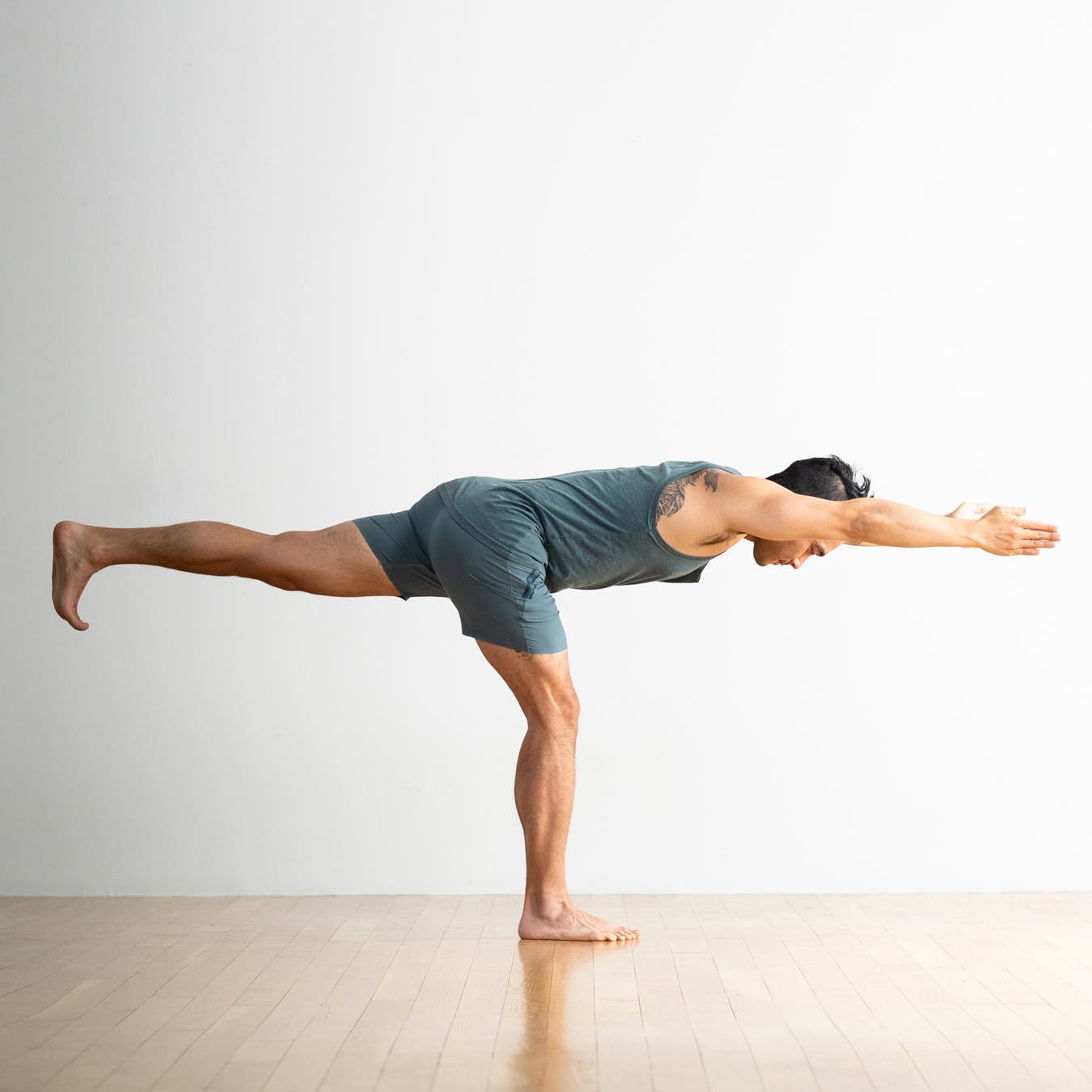
- Forward Fold & Balance: Stretch your trunk forward over your bent knee, maintaining a straight back.Exhale and lift your torso, balancing on your left leg. Simultaneously extend both your right leg and your arms forward.
- Head & Neck: Keep your head up for balance and your neck extended, avoiding compression.
- Breath: Maintain a fluid, soft breath throughout the pose. Never hold your breath, even when challenging.
- Hold: Aim to hold the pose for 20
Related reading