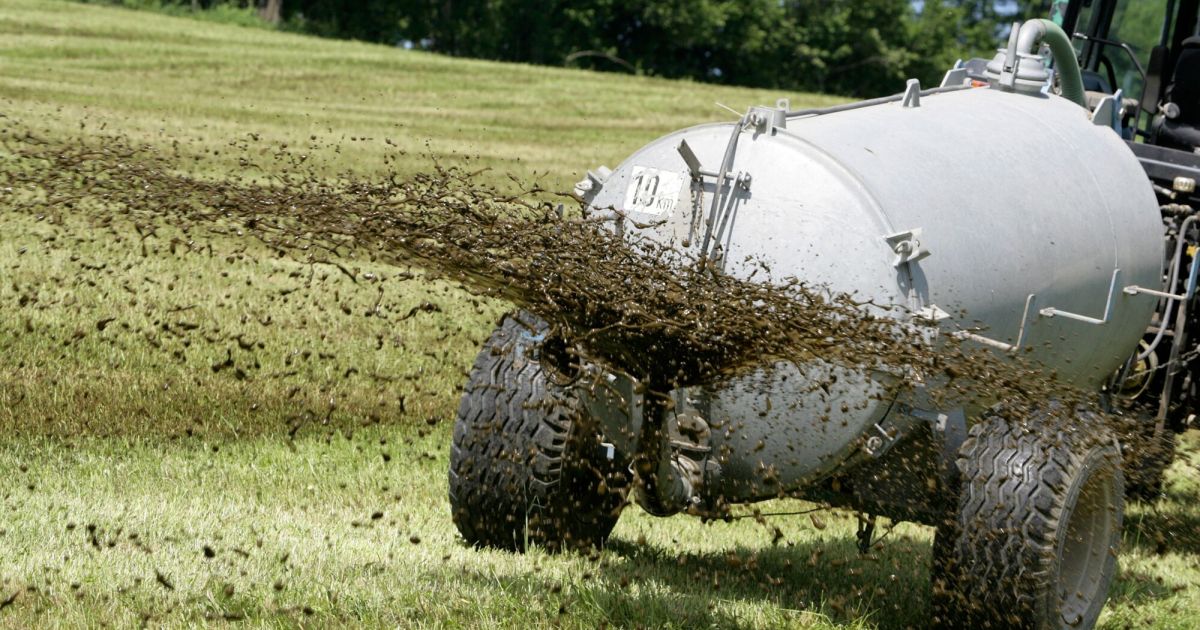
The Bezirkshauptmannschaft (BH) Vöcklabruck has issued a formal reminder regarding strict legal protection distances for agricultural slurry spreading near bodies of water, aiming to prevent nutrient runoff and protect regional aquatic ecosystems during the active fertilization season.
Local agricultural authorities emphasize that maintaining precise buffer zones alongside rivers, streams, and lakes remains a mandatory requirement for farmers across the district. The reminder coincides with ongoing seasonal field management practices where liquid manure and other organic fertilizers are applied to arable land and meadows.
According to regional administrative guidelines, these protective measures are designed to curb the entry of nitrogen and phosphorus into local waterways. High nutrient loads can trigger eutrophication, a process that depletes oxygen levels in aquatic habitats and threatens native fish populations and aquatic plants.
Regulatory Framework and Protection Distances
Agricultural operations handling organic fertilizers must strictly observe defined minimum distances from surface waters under Austrian water protection laws and regional ordinances. District authorities regularly inspect application sites to verify compliance with these mandatory setbacks, which vary depending on slope gradient, soil condition, and the type of body of water.
The legal framework requires increased caution on sloped terrain adjacent to waterways. Where gradients exceed certain thresholds, specialized spreading technology or immediate incorporation into the soil is required to prevent surface runoff during heavy rain events.
Farmers are also instructed to check weather forecasts prior to field application. Spreading slurry on water-saturated, frozen, or snow-covered ground is strictly prohibited, as frozen soils completely inhibit natural infiltration and drastically increase the risk of agricultural runoff entering nearby aquatic systems.
Environmental Impact and Water Quality Management
Water protection agencies monitor regional river basins closely to assess the ecological health of local streams and lakes. Excess agricultural nutrients remain a primary challenge for water resource managers striving to meet European Union water framework directives for good ecological status.
Agricultural extension services advise farm managers to perform soil nutrient tests before scheduling fertilization rounds. Precise nutrient management plans help optimize crop yields while minimizing the surplus of nitrates that could leach into groundwater reservoirs or wash into surface waters.
Compliance checks conducted by district agricultural inspectors serve both an educational and a regulatory function. Authorities provide guidance on modern application techniques, such as trailing shoe hoses and shallow injection methods, which significantly reduce ammonia emissions and subsurface odor while placing nutrients directly near plant roots.
Next Steps for Regional Farmers
Agricultural operators seeking specific clarification on setback maps, permitted application windows, or documentation requirements can consult the official advisory services provided by the Amt der Oö. Landesregierung and local district agricultural chambers. Authorities urge all farm managers to maintain accurate documentation of their fertilization practices to ensure transparency during routine environmental audits.
Related reading