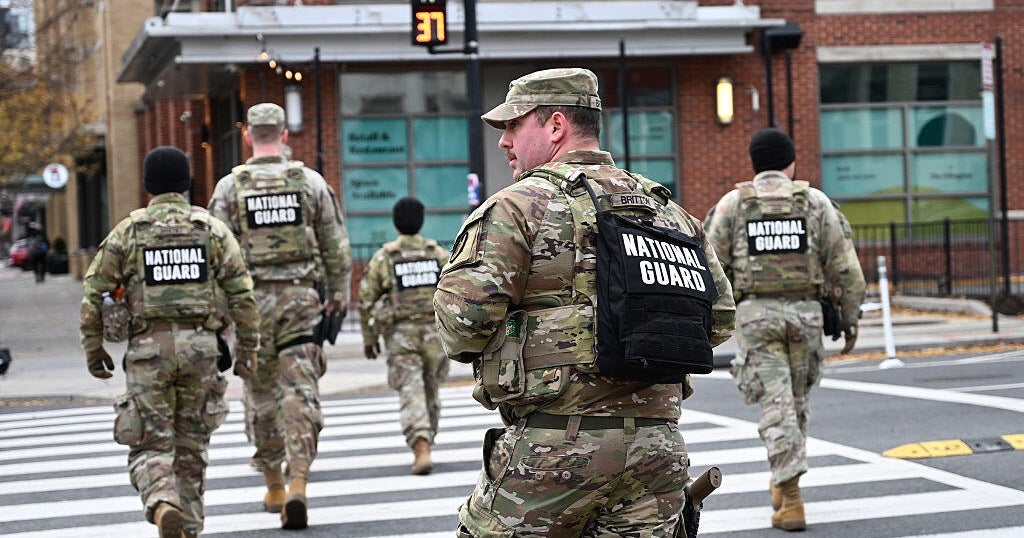
National Guard Shooting in Washington D.C.: Examining the Case of the Afghan Asylum Seeker
A shooting in Washington D.C. involving a member of the National Guard has sparked a national conversation. This incident raises critical questions about vetting processes, potential radicalization, and the experiences of Afghan allies who assisted the U.S. military. Here’s a detailed look at what we know so far, separating fact from speculation and providing context to this complex situation.
The Incident and the Suspect
On Sunday, a National Guard member opened fire at a transit station in the nation’s capital.The suspect, identified as a recent Afghan asylum seeker, was quickly apprehended after being shot by another Guard member. He remains hospitalized in critical condition, sedated and on a ventilator, complicating immediate investigative efforts.
The suspect arrived in the U.S. in December 2024 and was granted asylum in April 2025. This process involved rigorous scrutiny by the Department of Homeland Security, including comprehensive background checks, social media reviews, and in-person interviews. He successfully completed all stages of vetting before receiving asylum.
Background of the Suspect
Prior to seeking refuge in the United States, the suspect served as a commando in Afghanistan.He worked closely with international troops during the U.S.-led mission. Sources indicate he was deeply affected by the 2024 death of a close friend and fellow Afghan commander. Tragically,this friend had been denied asylum in the U.S.
Claims of Radicalization and Counterarguments
Homeland Security Secretary made a public statement suggesting the suspect was “radicalized since he’s been here in this country.” However, she offered no specific details to support this claim. This assertion has drawn criticism from advocates for the Afghan community.
Shawn VanDiver, President of AfghanEvac, a non-profit dedicated to assisting Afghan resettlement, strongly refuted this notion. He emphasized that the Afghan community consistently contributes positively to the U.S. and undergoes some of the most extensive vetting procedures of any immigrant group.
The Inquiry: What’s Being Done?
Currently,U.S. intelligence analysts are meticulously examining the suspect’s communications and online activity. They are searching for any evidence of international connections or signs of ideological radicalization. An initial review of his social media and messaging channels has, so far, revealed no links to foreign entities or extremist organizations.
Investigators are also focusing on identifying and interviewing individuals who may have interacted with the suspect. This includes exploring potential connections within his home community and local networks.
Key Takeaways and Considerations
* Rigorous Vetting: The asylum process is designed to be thorough, and in this case, the suspect passed all required checks.
* mental Health: The impact of trauma and loss, especially for those who served in conflict zones, should not be overlooked. The suspect’s grief over the loss of a friend may have been a contributing factor.
* Premature Conclusions: Attributing the incident to radicalization without concrete evidence risks unfairly stigmatizing an entire community.
* Ongoing Investigation: The investigation is still in it’s early stages, and more facts will emerge as investigators gain access to the suspect and analyze available data.
This situation underscores the complexities of resettlement, the importance of mental health support for refugees, and the need for careful consideration when assessing potential threats. Its crucial to avoid generalizations and allow the investigation to proceed based on facts, not speculation. You can stay informed as this story develops by following credible news sources.
Keep reading