The Psychology of Fairness: Why Randomness Feels Rigged & How too Reclaim Control
We all crave fairness. But what is fairness, really? Adn why does it feel so easily violated, even when outcomes are demonstrably random? As a behavioral scientist, I’ve spent years exploring the nuances of perceived fairness, and the answer is surprisingly rooted in our basic need for control.
This article delves into the fascinating psychology behind why randomness often feels rigged, the consequences of this perception, and - crucially – what we can do to regain perspective and navigate life’s inevitable uncertainties.
The Illusion of Control & The Coin Flip Experiment
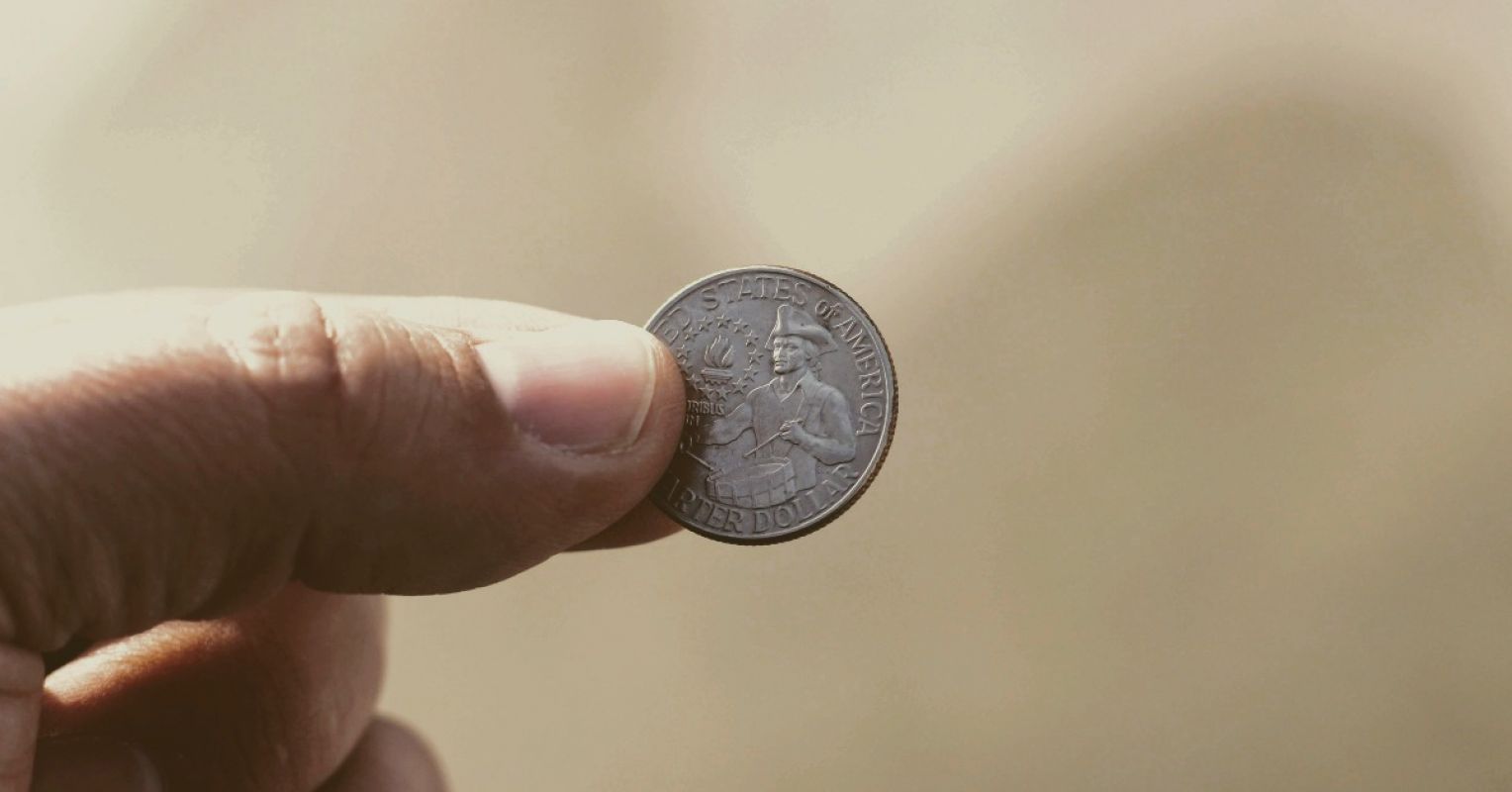
Recent research brilliantly illustrates this point. A study led by Dr. Furrer investigated how the feeling of control impacts our sense of fairness, even when the outcome is objectively random. Participants were asked to assess the fairness of a coin flip.
Here’s where it gets interesting:
* The Setup Varied: Some flipped the coin themselves, others had a partner or experimenter do it, and even the flipper was chosen arbitrarily (like by the number of characters in their username!). Some flips were physical, others virtual.
* The Core finding: Participants consistently deemed coin flips less fair when someone else flipped the coin – even though the odds remained a perfect 50/50. Crucially, this feeling arose before they even saw the result.
This highlights a key concept: outcome control. We instinctively believe we can influence random events, even when logic dictates otherwise.It’s not about winning or losing; it’s about being part of the process. The moment we feel excluded, the illusion of unfairness begins.
Fairness as an Emotion, Not a Fact
So, what does this mean when life throws us curveballs – a rejected job application, a missed promotion, a lack of apology? Often, what we perceive as unfairness isn’t a concrete reality, but a powerful emotion.
Our minds are attempting to reconcile a lack of agency.The true injustice, we subconsciously believe, is being denied a voice or influence in the outcome. Even the moast meticulously designed systems can feel rigged when we can’t understand how decisions are made.
This isn’t just a philosophical point. this illusion has tangible consequences:
* Increased Cynicism: A belief in rigged systems breeds bitterness and resentment.
* Victim Mentality: It fosters a sense of powerlessness and helplessness.
* Diminished Motivation: If outcomes feel random, we may conclude our efforts are futile.
it’s a risky spiral: “That coin flip was unfair” can quickly morph into “Life is rigged.”
Reclaiming Perspective: The Power of Reflection
Fortunately, the research also offers a path forward. When participants were prompted to slow down,reflect,and consciously acknowledge the inherent randomness of the situation,their feelings of unfairness considerably decreased.
Here’s how you can apply this to your own life:
- Acknowledge Randomness: Accept that not everything is within your control. Life is inherently unpredictable.
- Focus on process, Not Just Outcome: Did you do your best? Did you act with integrity? these are the things you can control.
- Separate Fairness from Favor: Fairness isn’t about getting what you want; it’s about a just and impartial process.
- Practice Mindfulness: Pausing to observe your thoughts and emotions without judgment can definately help you detach from reactive feelings of unfairness.
Life is Indifferent, Not Unfair
The illusion of unfairness is, in a way, a testament to our humanity. we naturally desire agency and control. But when those are absent, we frequently enough project bias onto chance.
Remember: the coin will land as it will. The job will go to someone. The Earth will continue to spin. This isn’t because life is inherently unfair, but because life is indifferent to our desires.
The meaning we ascribe to these outcomes is largely self-created. By recognizing this, we can shift from feeling like victims of circumstance to empowered agents in our own lives.
About the Author: [Your Name/Credentials – e.g., Dr. Jane Doe, Behavioral Scientist & Author]. I specialize in the intersection of psychology