Accessing affordable Sexual & Reproductive Healthcare: A Guide to Publicly Funded Options
You deserve access to comprehensive sexual and reproductive healthcare, regardless of your income or insurance status. But navigating the system can be complex. This guide breaks down the publicly funded options available, explains upcoming challenges to access, and empowers you to find the care you need. We’ll cover everything from health departments to Indian Health Services, and discuss what the future holds for funding these vital services.
Understanding the Landscape
Manny programs exist to ensure everyone can access essential care like contraception, STI testing and treatment, and preventative screenings. These programs are especially crucial for individuals with low incomes or those who are uninsured. Let’s explore the key players:
State & Local Health Departments
These are often your first point of contact for affordable care.
* They provide services like vaccinations and screenings for chronic diseases.
* Many offer family planning services, including HPV vaccines and a range of contraceptive options.
* These services are frequently integrated into broader maternal and child health programs.
think of your local health department as a community resource dedicated to overall well-being.
Indian Health Services (IHS) Clinics
the Indian Health Service (IHS) is dedicated to serving the health needs of American Indian and Alaska Native (AIAN) communities.
* IHS provides comprehensive health services to approximately 2.8 million AIAN individuals.
* Services are delivered through a network of hospitals, clinics, and health stations.
* Federal regulations require coverage of family planning and STI services.
* Eligibility: services are generally available to members or descendants of federally recognized Tribes who live on or near federal reservations, with no cost-sharing.
Vital Note: While IHS requires these services, the specific contraceptive methods available can vary by clinic.
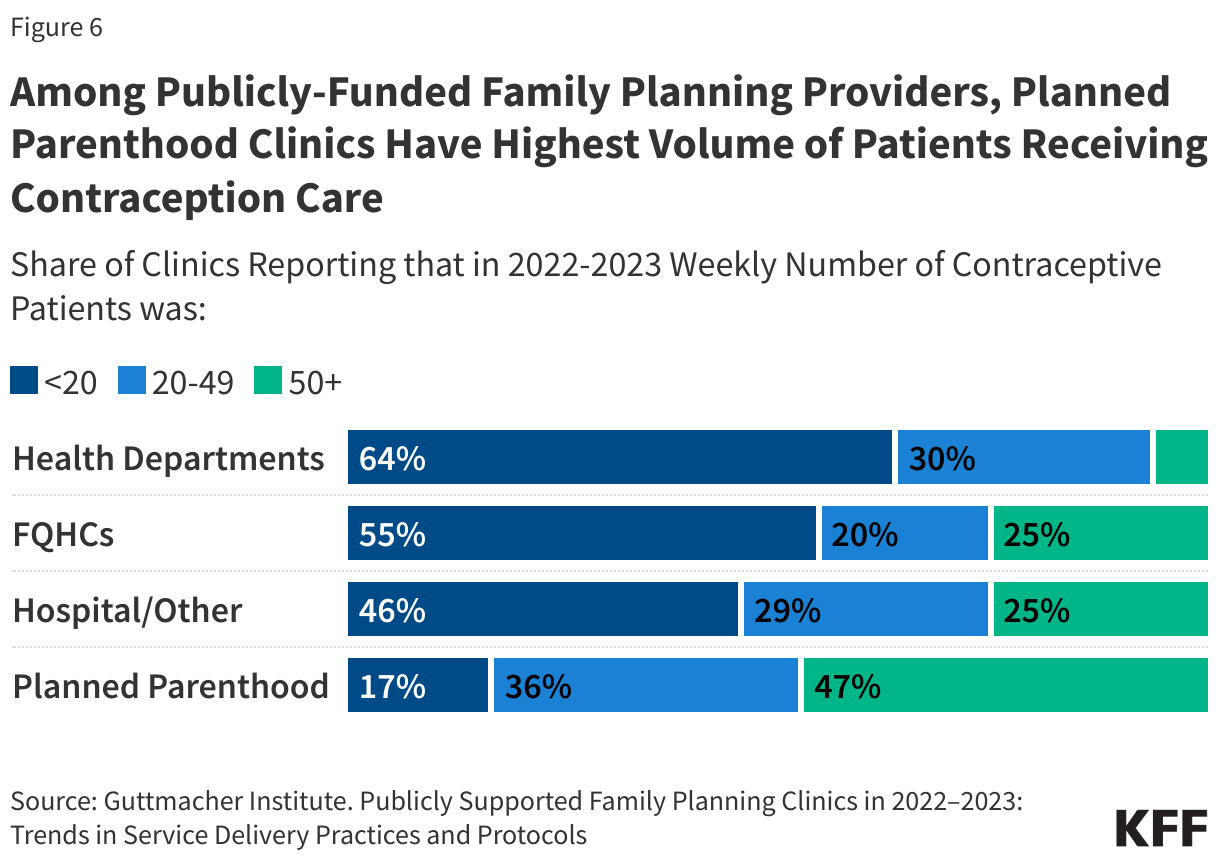 Planned Parenthood Clinics Have Highest Volume of Patients Receiving Contraception Care”/>
(Datawrapper graphic illustrating Planned Parenthood’s role in providing contraceptive care)
Othre Key providers
While Health departments and IHS are vital, other organizations play a meaningful role. Planned Parenthood, for example, consistently serves a large volume of patients seeking contraception, as illustrated in the graphic above. They often fill gaps in access, particularly for those facing barriers to care.
The Future of Funding: Challenges on the Horizon
Unluckily, access to these crucial services is facing significant threats. Several policy changes are poised to impact the availability of affordable sexual and reproductive healthcare.
What’s Changing?
* 2025 Budget Reconciliation Law: This law temporarily blocks Planned Parenthood clinics from receiving federal Medicaid payments. this represents a major loss of funding for a key provider.
* Proposed Funding Cuts to Title X: The Title X program, a dedicated source of funding for family planning services, is facing potential elimination.
* Rising Uninsured Rates: The Congressional Budget Office estimates a potential increase of 10 million uninsured individuals over the next decade. This will dramatically increase demand for already strained resources.
What Does This Mean for you?
These changes create a perfect storm: increased demand for services coupled with decreased funding. This will likely lead to:
* longer wait times for appointments.
* Reduced availability of certain contraceptive methods.
* Increased strain on the existing reproductive health safety net.
Taking Action & Finding Resources
Despite these challenges, you have options.Here’s how to navigate the system and find the care you need:
- Contact Your Local Health Department: Start by exploring the services offered in your community. A simple online search for “[Your City/County] Health Department” will get you started.
- Check IHS Eligibility: If you are a member or descendant of a federally recognized Tribe, investigate services available through IHS.
- Utilize Online Finders: Resources like the Planned Parenthood website (https://www.plannedparenthood.org/) and the National Family Planning & Reproductive Health Association (https://www.nationalfamilyplanning.org/)
Related reading