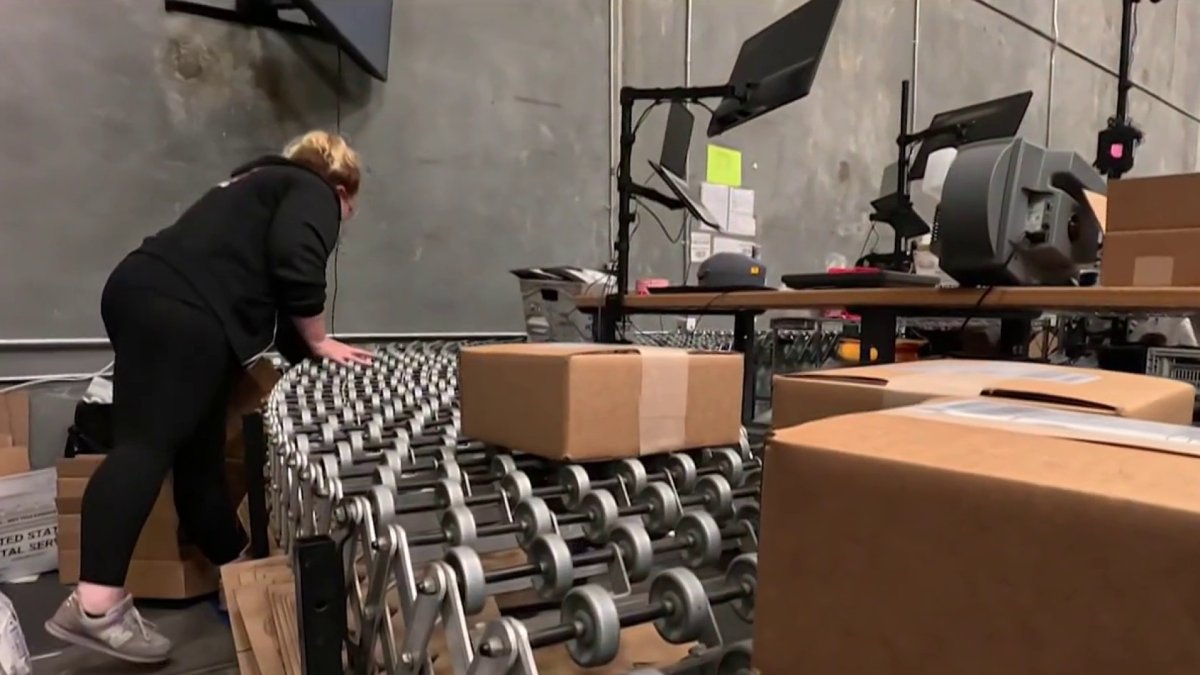
The Engine Behind Your Cyber Monday Delivery: A Deep Dive into E-commerce Fulfillment
Ever wondered how that “add to cart” item arrives at your doorstep with seemingly impossible speed, especially during peak shopping events like cyber Monday? The answer lies within the rapidly evolving world of e-commerce fulfillment, a complex network of logistics, warehousing, and technology working tirelessly behind the scenes. This isn’t just about shipping; it’s about managing inventory, optimizing delivery routes, and ensuring a seamless customer experience. Recent data from Statista shows that global e-commerce sales are projected to reach $6.3 trillion in 2024,highlighting the immense pressure on fulfillment centers to deliver. This article will explore the intricacies of this industry, using vista’s ShipLab as a compelling case study.
What is E-commerce Fulfillment & Why Does It Matter?
E-commerce fulfillment encompasses all the steps involved in getting a product from a seller to a customer. This includes receiving inventory, storing it securely, picking and packing orders, shipping them out, and handling returns. For businesses, especially small to medium-sized enterprises (SMEs), managing fulfillment in-house can be a significant drain on resources. Outsourcing to a third-party logistics (3PL) provider like ShipLab allows them to focus on core competencies – product advancement, marketing, and customer service.
Did You Know? The rise of direct-to-consumer (DTC) brands has fueled a 22.4% annual growth rate in the 3PL market between 2019 and 2023,according to a report by Armstrong & Associates.
Key Differences: Fulfillment vs. Logistics
While often used interchangeably,fulfillment and logistics are distinct. Logistics is the overarching process of planning, implementing, and controlling the efficient flow and storage of goods, services, and related information. Fulfillment is a part of logistics, specifically focusing on the order execution process. Think of logistics as the entire supply chain, and fulfillment as the final mile.
ShipLab: A Case Study in Scaling Fulfillment Operations
Vista’s shiplab provides a captivating glimpse into the world of modern e-commerce fulfillment.Founded approximately eight years ago, the company has experienced exponential growth alongside the surge in online shopping. What began as a 900-square-foot operation has blossomed into a 275,000-square-foot warehouse, demonstrating the incredible demand for these services.
ShipLab caters to a diverse clientele, supporting brands selling across multiple platforms – Shopify, Amazon, TikTok, Walmart, and Target. This multi-channel fulfillment capability is crucial in today’s fragmented retail landscape. They don’t just ship products; they also provide warehousing solutions for businesses needing extra storage space, effectively acting as an extension of their clients’ operations.
| feature | ShipLab | Traditional warehousing |
|---|---|---|
| Focus | E-commerce Order Fulfillment | Bulk Storage & Distribution |
| Technology Integration | Seamless integration with e-commerce platforms (Shopify, amazon, etc.) | Often limited or requiring custom integration |
| Order Processing | High-volume, individual order processing | Typically focused on large, wholesale orders |
| Scalability | Highly scalable to accommodate seasonal peaks | Can be less flexible and require long-term contracts |
Pro Tip: When choosing a 3PL partner, prioritize those with robust technology integrations. This ensures real-time inventory visibility and streamlined order processing, minimizing errors and delays.
The Challenges of peak Season Fulfillment
Cyber Monday, and the broader holiday season, represent the ultimate test for fulfillment centers.ShipLab anticipates shipping between 15,000 and 20,000
Worth a look