The Evolving Landscape of Russian adn Belarusian Athlete Participation in International Competitions
The international sporting world continues to navigate a complex situation regarding the participation of athletes from Russia and Belarus following the 2022 invasion of Ukraine. Initially met with blanket bans, the approach is now shifting towards allowing individual athletes to compete under strict neutrality. But what does this actually mean for athletes, governing bodies, and the future of international sport? This article provides a comprehensive overview of the current status, recent developments, and what you can expect moving forward.
recent Decisions and the Path to Neutral Participation
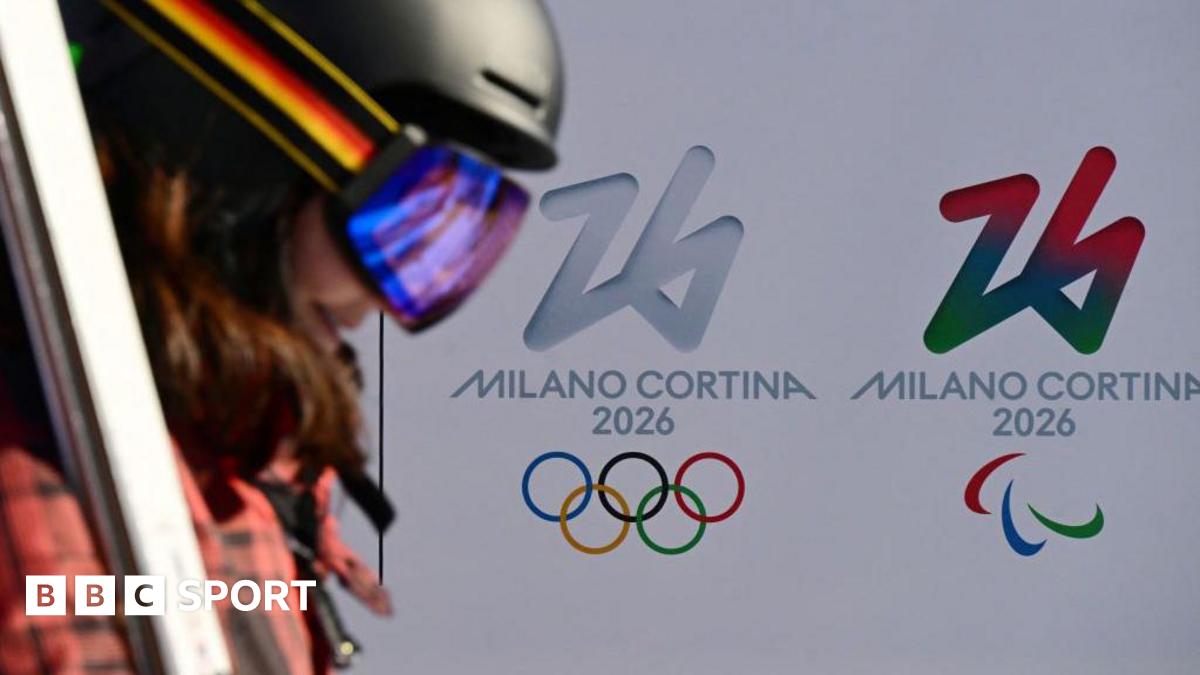
recent rulings from both the International Olympic Committee (IOC) and the International Paralympic Committee (IPC) signal a move away from complete exclusion. In September 2024, the IOC announced that neutral athletes from Russia and Belarus would be eligible to compete at the 2026 Winter Olympics, mirroring the conditions established for the 2024 Paris Olympics. This means participation without national flags, emblems, or anthems.
however, the final decision regarding athlete eligibility rests with individual sports federations. This decentralized approach introduces a layer of complexity, as each federation must establish its own criteria for assessing athlete neutrality. The Court of Arbitration for Sport (CAS) has partially upheld appeals related to these criteria, dismissing requests from the Belarusian Sport Solidarity Foundation (BSU) regarding the establishment and submission of Athlete Self-reliant Neutrality (AIN) criteria, wich remain under the jurisdiction of the federations themselves.
As of late 2024, three figure skaters – two Russian and one Belarusian – have been cleared by the IOC to participate in the 2026 Winter Olympics, marking the first athletes from these nations to receive invitations under the neutral athlete framework. This is a meaningful step, but it’s just the beginning.
The IPC has also taken action, voting in September 2024 to lift partial suspensions. This allows Russian and Belarusian athletes to compete under their own flags at Paralympic and World Para-sport events. The Winter Paralympics are scheduled to take place from March 6-15, offering another crucial testing ground for these new policies.
Key Terms: Neutral athletes, AIN criteria, sports federations, international competition, athlete eligibility.
Understanding the Nuances: Individual neutrality vs.National Depiction
The core principle driving these changes is the distinction between collective obligation and individual athlete accountability.The goal is to prevent punishing athletes for the actions of their governments. Though,ensuring genuine neutrality is a challenge. Factors considered often include:
* No Active Support for the War: Athletes must demonstrate they haven’t actively supported the invasion of Ukraine.
* No Military Affiliation: Athletes with ties to the military or security services are often ineligible.
* Strict Adherence to Anti-Doping Regulations: Maintaining a clean sport record is paramount.
* Public Statements: Athletes may be required to make public statements disavowing the war.
What does this mean for you, the sports enthusiast? Expect to see athletes competing under the “neutral athlete” banner, often referred to as “AIN” (Athlete Independent Neutral). You’ll notice a lack of national symbols and anthems during ceremonies.
The Ongoing Debate: fairness, Politics, and the Future of Sport
The decision to allow neutral athletes has sparked considerable debate. Critics argue that it undermines the principles of fair play and allows Russia and Belarus to use sport as a form of propaganda. Supporters contend that excluding athletes based on their nationality is a violation of human rights and that sport should remain separate from politics.
Recent research from the Global Sport Institute highlights the complex ethical considerations surrounding this issue, noting a significant divide in public opinion regarding the appropriate response to geopolitical conflicts within the sporting world. (Data as of November 2024). The debate is far from over, and the situation remains fluid.
Practical Steps for Athletes Seeking Neutral Participation
If you are an athlete from Russia or Belarus seeking to compete internationally, here’s a step-by-step guide:
- Review Your Federation’s Criteria: Thoroughly understand the specific requirements set by your sport’s international federation.
- Document Your Neutrality: Gather evidence demonstrating your lack of support for the war and any affiliations with the military.
- AFC President Condemns FIFA Over Unacceptable World Cup Commercial Plan
- DraftKings Promo: Bet $5, Get $200 Instant Bonus Bets for UFC Freedom 250 & 2026 World Cup
- Russian Strikes Kill Dozens in Ukraine; Poland Scrambles Fighter Jets (world-today-news.com)
- Russian Missile Strikes Kill at Least 8 Across Ukraine Including Kyiv, Lviv and Kryvyi Rih (time.news)