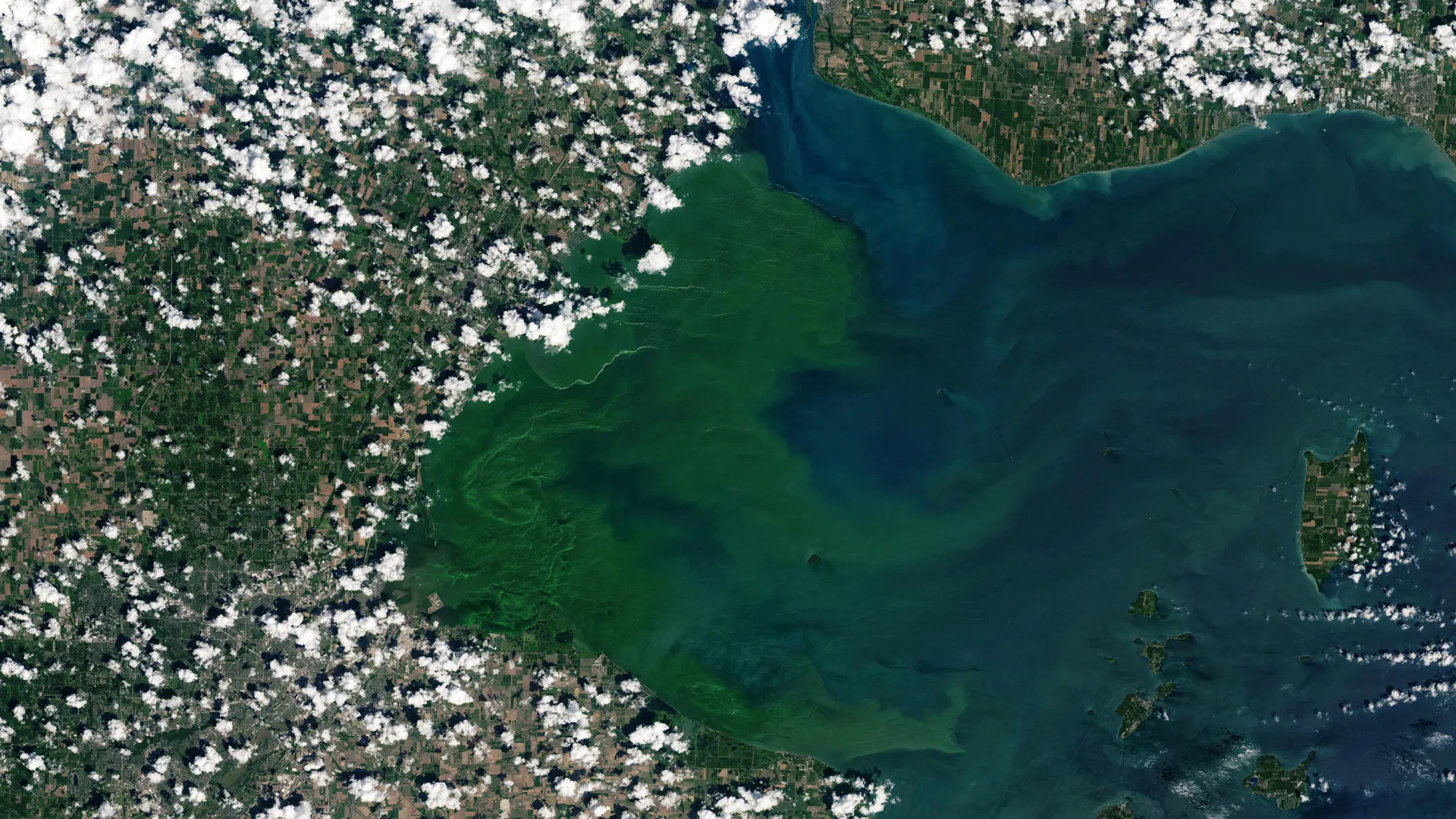
Lake Erie’s Hidden Threat: Scientists Pinpoint Cyanobacteria Responsible for potent Saxitoxin Blooms
Lake Erie, a vital source of drinking water and a cornerstone of the Great Lakes ecosystem, has faced increasing challenges from harmful algal blooms (HABs). While the presence of toxins like microcystin has been well-documented, the source of the especially dangerous neurotoxin saxitoxin remained a mystery – untill now. A groundbreaking study from the University of Michigan (U-M) has identified specific strains of the cyanobacterium Dolichospermum as the primary producers of saxitoxin in Lake Erie, offering crucial insights for monitoring, prediction, and ultimately, mitigation of these potentially devastating blooms.
Understanding the Threat of Harmful Algal blooms
Harmful algal blooms aren’t caused by a single type of algae. They’re complex events driven by various cyanobacterial species, each capable of producing a unique cocktail of toxins. Identifying the specific species responsible for each toxin is paramount. This knowledge allows scientists to understand the environmental conditions that trigger toxin production,enabling more effective management strategies and protecting public health. The 2014 microcystin bloom that threatened toledo’s water supply underscored the urgency of this research, and the long-standing presence of saxitoxin – detected as early as 2007 – demanded a definitive answer. Saxitoxins are among the most potent naturally occurring neurotoxins,posing a significant risk to both human and animal health.
Unlocking the Genetic Code: A Breakthrough in Toxin Source Identification
The U-M team,led by Paul Den Uyl,employed cutting-edge “shotgun” DNA sequencing to unravel the mystery. This powerful technique analyzes all the DNA present in a water sample, allowing researchers to reconstruct complete genomes of the organisms present. By meticulously searching these genomes for the genes responsible for saxitoxin production,they were able to pinpoint Dolichospermum as the culprit.
“Knowing which organism produces the toxin is a game-changer,” explains Gregory Dick, professor of earth and environmental sciences and director of U-M’s Cooperative Institute for Great Lakes Research (CIGLR). “It allows us to focus our research on the specific conditions that favor the growth and toxin production of these organisms, ultimately informing policy and management decisions.”
Environmental Factors influencing Saxitoxin Production
The research revealed that not all Dolichospermum strains are created equal. Only certain strains possess the genetic machinery to produce saxitoxin. This discovery prompted the team to investigate the environmental factors that might trigger toxin production within these capable strains.
Their analysis uncovered two key correlations:
* Temperature: Higher levels of the saxitoxin-related gene were consistently detected in warmer water. This finding is particularly concerning in the context of climate change and the documented warming trend in the Great Lakes. As water temperatures rise, the potential for increased saxitoxin production looms large.
* Nutrient Levels: The gene linked to saxitoxin was less common in areas with elevated ammonium levels.This observation points to a unique characteristic of Dolichospermum: its ability to utilize nitrogen in the form of dinitrogen gas – an abundant, yet typically inaccessible, atmospheric gas.
“Dolichospermum possesses a remarkable ‘superpower’ – the ability to fix nitrogen directly from the atmosphere,” explains Dick. “This gives it a competitive advantage in environments where other organisms struggle to access nitrogen, potentially fueling bloom formation.” Having the complete genome allows researchers to understand the full metabolic potential of the organism, providing a blueprint for predicting its behavior.
long-Term Monitoring and Future Research
While the team has been monitoring saxitoxin in Lake Erie for nine years,this timeframe is insufficient to definitively determine whether toxin levels will increase with continued warming. Though, the identification of Dolichospermum as the source provides a critical foundation for future research and monitoring efforts.
“Now that we certainly know who’s producing the toxin, we can focus on tracking the abundance of these specific Dolichospermum strains over time and directly assess the gene abundance,” says Dick. “The correlation with temperature is concerning, but further research is needed to establish a causal link and predict future trends.”
This study, published in Environmental Science & Technology, represents a significant step forward in understanding and managing the threat of harmful algal blooms in Lake Erie. By combining advanced genomic techniques with careful environmental monitoring, researchers are paving the way for a more proactive and informed approach to protecting this vital resource.Continued investment in research and monitoring will be crucial to safeguarding the health of Lake Erie and the communities that depend on it.
Key Takeaways:
* Source Identified: Specific strains of the cyanobacterium Dolichospermum are responsible for saxitoxin
Keep reading