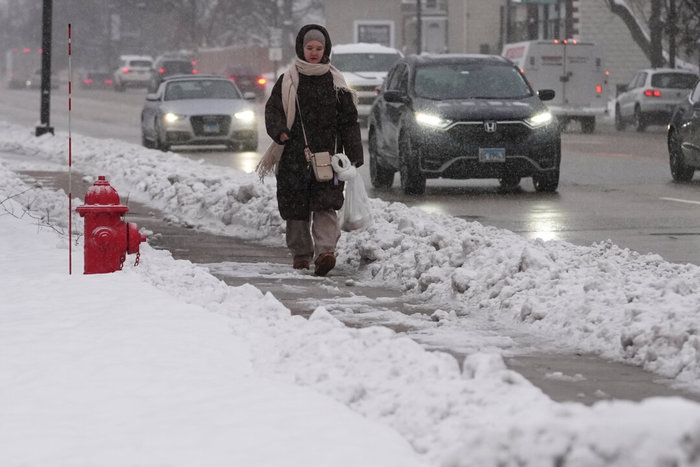
Major Winter Storm Threatens Northeast, Midwest Travel Still Recovering
A potent winter storm is poised to impact a vast region stretching from the mid-Atlantic to New England, bringing a mix of heavy snow, potential ice, and significant travel disruptions.Following record-breaking snowfall in the Midwest, the Northeast is bracing for its first major winter event of the season. This article provides a comprehensive overview of the storm’s projected path, potential impacts, and preparations underway.
Understanding the current situation
The National Weather service (NWS) has issued winter storm warnings and advisories across six states: Massachusetts, New Hampshire, Vermont, Maine, Connecticut, and New York. This comes on the heels of a historic snowfall in Chicago, where O’Hare International Airport recorded over 8 inches of snow over the weekend - the highest single-day November snowfall since 1951.
While snow is tapering off in the Great Lakes region, the new system is rapidly approaching, promising up to a foot of snow in some areas by Tuesday. Meteorologist Andrew Orrison of the NWS emphasizes this will be “the first snowfall of the season for many of these areas, and it’s going to be rather significant.”
Regional Impacts & Preparations
Here’s a breakdown of how different states are preparing and what residents can expect:
* maine: Coastal areas are under a warning urging residents to “delay all travel if possible” from Tuesday morning through Wednesday morning. This marks the state’s first substantial snowfall of december.
* New Hampshire: The department of Transportation is engaging residents with its annual “Name-a-Plow” competition, adding a touch of levity to the serious preparations. Last year’s winning name, “Ctrl-Salt-Delete,” exemplifies the community spirit.
* Pennsylvania: Crews are proactively treating roadways along the 565-mile Pennsylvania Turnpike. Vehicle restrictions will be implemented at 5 a.m. Tuesday on key interstates, including the Northeast Extension, from the Lehigh Valley to Clarks Summit.
* Over 600 equipment operators and safety workers are on standby.
* 23 maintenance sheds are staffed 24/7, demonstrating a year-round commitment to winter readiness.
* Midwest Recovery: Travel chaos continues in the wake of the Great Lakes storm.Chicago O’Hare remains congested with delayed and canceled flights, impacting Thanksgiving travelers attempting to return home.
* Roads leading to O’Hare are still experiencing heavy traffic despite clearing efforts.
* De-icing operations are underway at airports nationwide, including Ronald Reagan Washington National and Minneapolis-Saint Paul International.
Expert Insights: Why This Storm Matters
As a veteran weather analyst, I’ve seen countless winter storms. What sets this event apart is the breadth of its potential impact. The combination of snow and potential ice creates particularly hazardous conditions. Even a relatively small accumulation of ice can make roads and sidewalks treacherous.
furthermore,the timing is critical. Coming so early in the season, many drivers haven’t yet adjusted to winter driving conditions. This increases the risk of accidents.
Key Safety Recommendations
* Heed Travel Advisories: If you can postpone travel, do so.The NWS warnings are in place for a reason.
* Winterize Your Vehicle: Ensure your tires have adequate tread, your fluids are topped off, and you have a winter emergency kit (blankets, flashlight, first aid, etc.).
* Drive Slowly and Carefully: If you must travel, reduce your speed and increase your following distance.
* Be Aware of Black Ice: Black ice is a thin, transparent layer of ice that can be extremely arduous to see. Be especially cautious on bridges and overpasses.
* Stay Informed: Monitor local weather forecasts and road conditions.Reliable sources include the NWS, state DOT websites, and local news outlets.
Looking Ahead
The next 24-48 hours will be crucial as this winter storm unfolds. Continued monitoring of the forecast and adherence to safety guidelines are essential. state and local agencies are working diligently to prepare, but ultimately, individual responsibility is paramount.
This storm serves as a stark reminder that winter is here, and preparedness is key to navigating the challenges it brings.
By Patrick Whittle,Seasoned Weather Analyst
Resources:
* National Weather Service: [https://www.weather.gov/](https://www
Keep reading