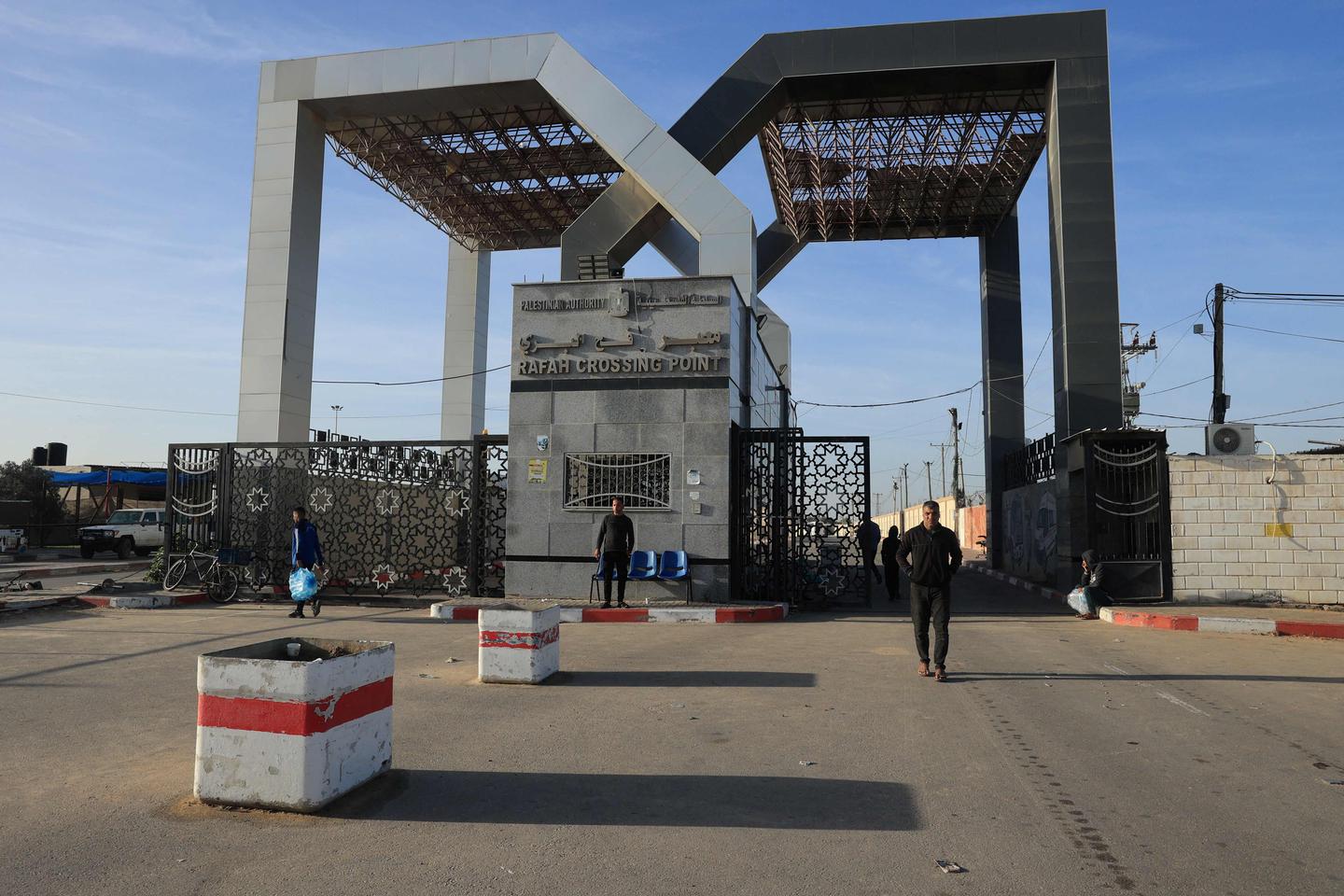
Gaza‘s Rafah border Crossing: A Critical Lifeline Stalled
The crucial Rafah border crossing,the primary gateway for humanitarian aid into Gaza,remains effectively closed,creating a deepening crisis for the enclave’s population.Israeli forces took control of the Palestinian side of the crossing in May, citing concerns it was being exploited for “terrorist purposes” and weapon smuggling.
This closure has far-reaching consequences, impacting not only the delivery of essential supplies but also the ability of Palestinians to leave Gaza. Let’s break down why this crossing is so vital and what its closure means for those on the ground.
Why Rafah Matters:
* Strategic Location: Situated at the southernmost point of Gaza, bordering Egypt’s Sinai Desert, Rafah is uniquely positioned as the main access point bypassing Israeli control.
* Humanitarian Lifeline: It’s the primary route for international aid organizations and trucks carrying vital necessities – food, medicine, and, critically, fuel. Without fuel, daily life in a territory already grappling with widespread power outages becomes even more untenable.
* Exit point for Palestinians: For years, Rafah has served as one of the few authorized routes for Palestinians seeking to leave Gaza, whether for medical treatment, education, or other essential reasons.
The Impact of the Closure:
The suspension of operations at Rafah has created a severe bottleneck in the delivery of aid. You can imagine the ripple effect this has on the already fragile humanitarian situation within Gaza.
* Aid Delivery Halted: Essential supplies are unable to reach those who desperately need them.
* Fuel Shortages: The lack of fuel exacerbates existing power shortages, impacting hospitals, water purification plants, and essential services.
* Restricted Movement: palestinians are effectively trapped, unable to seek opportunities or access vital services outside of Gaza.
I’ve found that understanding the strategic importance of infrastructure like Rafah is key to grasping the complexities of the ongoing conflict. It’s not simply a border crossing; it’s a lifeline for a population in dire need.
Here’s what’s crucial to remember: the situation is fluid and constantly evolving. Continued closure of the Rafah crossing will undoubtedly worsen the humanitarian crisis in Gaza, impacting the lives of countless civilians.
Keep reading