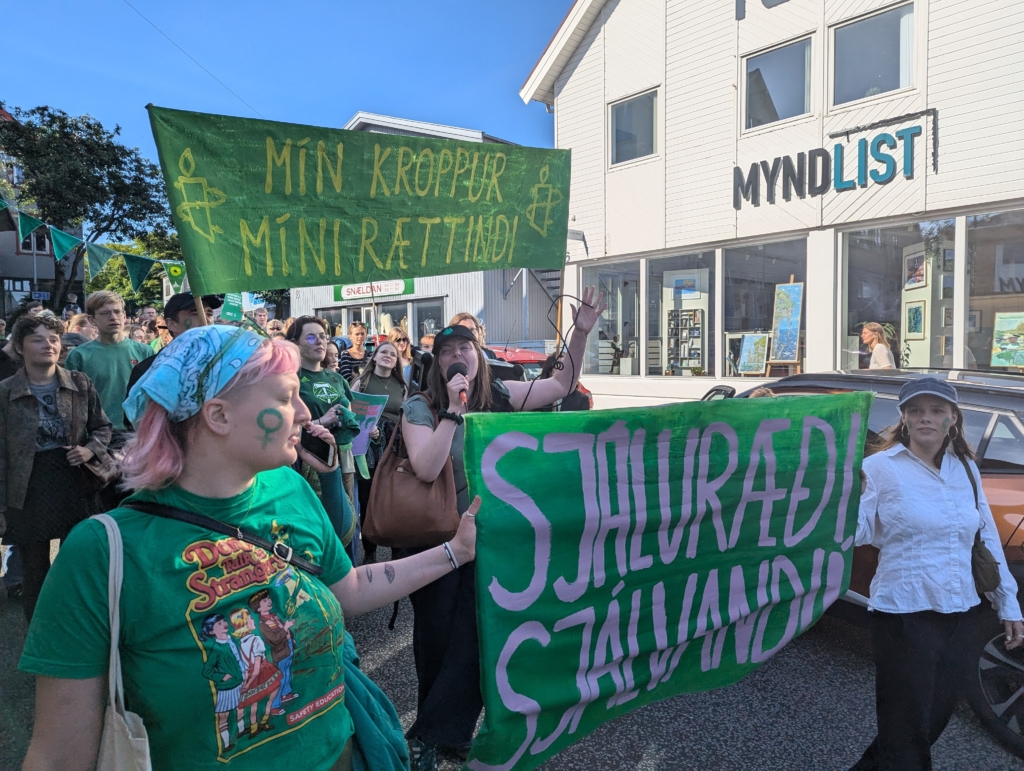
Faroe Islands Advances Abortion Rights: A Landmark Shift & What It Means for You
The Faroese parliament (Lagtinget/Løgting) has voted to substantially amend its abortion law, allowing access to abortion on request up to the 12th week of pregnancy. This marks a pivotal moment for reproductive rights in the self-governing autonomous territory within Denmark, and represents a victory for advocates who have long campaigned for change.
Here’s a breakdown of what this means, the history behind the shift, and what challenges remain.
A History of Restriction
For decades, Faroese abortion laws were among the most restrictive in Europe. the 1956 Abortion Act permitted abortion only under limited circumstances:
* Rape or incest
* Threat to the life or health of the pregnant person
* Severe fetal impairment
* Difficult social circumstances
These limitations forced many individuals to travel – frequently enough to Denmark – to access safe and legal abortion care. This was costly,time-consuming,and presented significant barriers,particularly for those with limited financial resources. The restrictions also carried significant health risks and emotional distress.
Why the Change now?
The recent vote, following a first passage on December 3rd, reflects growing pressure for reproductive autonomy. Years of dedicated activism have brought the issue to the forefront of public discourse. Advocates successfully argued that the previous law jeopardized the health and well-being of those seeking care.
“Today’s vote amending the Faroe Islands’ deeply outdated and restrictive abortion law is an significant step towards ensuring the provision of safe and legal abortion,” stated Turið Maria, Director of Amnesty International Faroe Islands.
What Does the New Law Mean for You?
The amended law offers greater control over your reproductive health if you live in the Faroe Islands. Specifically, it means:
* Increased Access: You can now access abortion services on request within the first 12 weeks of pregnancy.
* Reduced Barriers: The need for travel to Denmark for early abortions will be significantly reduced,lowering costs and logistical hurdles.
* Improved Safety: Access to legal and regulated abortion services enhances your safety and protects your health.
The Fight Isn’t Over: Decriminalization is Key
While this is a major step forward, crucial work remains. Currently, individuals who provide or assist with abortions still face potential criminalization under Faroese law.
As Turið Maria emphasizes, “the stark reality remains that those who provide or help facilitate abortion still face criminalization.”
Decriminalizing abortion is essential to fully protect:
* Individuals seeking care: Ensuring they aren’t penalized for exercising their reproductive rights.
* Healthcare providers: Allowing them to offer care without fear of prosecution.
* Activists and advocates: Protecting those working to expand access to reproductive healthcare.
Faroe Islands & Denmark: A Unique Context
It’s critically important to understand the political landscape. The Faroe Islands are a self-governing territory within the Kingdom of Denmark.While they have significant autonomy, Denmark retains duty for certain areas, including defense and foreign affairs. This unique relationship influences the legal and political considerations surrounding abortion access.
Looking Ahead
The Faroese parliament’s decision signals a growing global movement towards recognizing reproductive rights as essential human rights. However, continued advocacy and legislative reform are vital to ensure that everyone has access to safe, legal, and thorough abortion care – and that those who provide it are protected.
For further facts, contact:
* Amnesty International: [email protected]
* Turið Maria Jóhansdóttir: [email protected]
Keep reading