The Duty to Disobey: When Orders Violate the Constitution
Recent events have sparked a critical conversation about the boundaries of authority and the obligations of military personnel. Specifically, the question arises: what happens when an order, even from the Commander-in-Chief, appears unlawful? You might be surprised to learn that refusing such an order isn’t just permissible – it’s a legal and ethical duty.
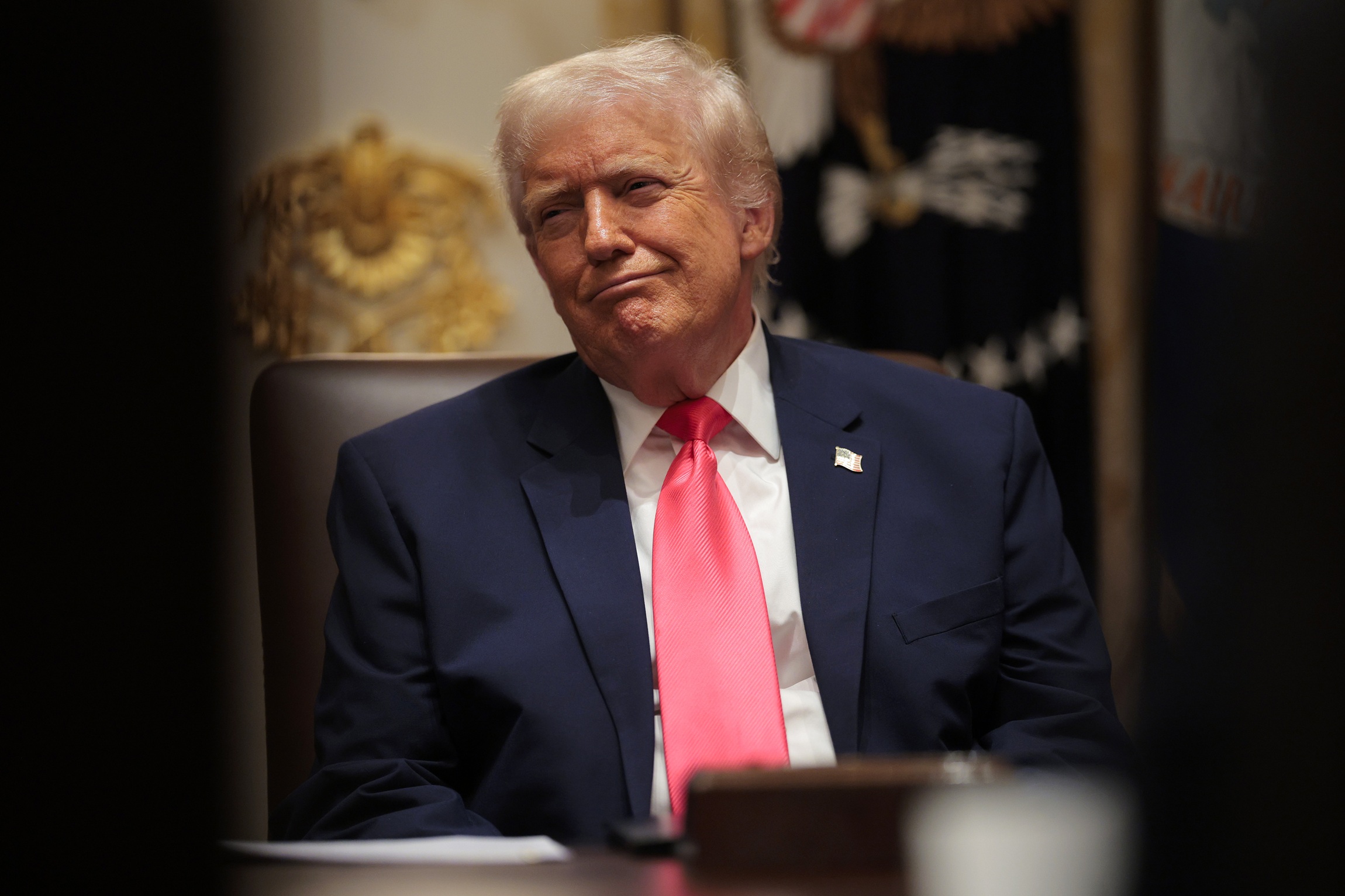
Former President Trump’s recent rhetoric exemplifies the situation. He called for the arrest and trial of lawmakers who criticized his actions, even sharing a post suggesting they be hanged. Following this, he labeled their actions “sedition” punishable by death.These statements raise serious concerns about the potential for unlawful orders and the duty of those who might be asked to carry them out.
Understanding the Legal Framework
It’s a common misconception that military personnel must blindly follow all orders. United States code and military regulations explicitly acknowledge – and even require – disobedience to illegal commands. This isn’t about insubordination; it’s about upholding the Constitution.
Here’s a breakdown of key principles:
* Lawful Orders Only: Servicemembers are obligated to follow lawful orders.
* Individual Responsibility: Each individual is responsible for determining the legality of an order.
* Constitutional Supremacy: The Constitution is the supreme law of the land, and no order can supersede it.
* Duty to Report: If you receive an order you believe to be unlawful, you have a duty to report it through the chain of command.
Historically, there are numerous instances of military personnel refusing unlawful orders. These acts of conscience demonstrate a commitment to the rule of law, even in the face of potential repercussions.
What Constitutes an unlawful Order?
Determining what makes an order unlawful isn’t always straightforward, but here are some examples:
* Violates the Constitution: Orders that infringe upon constitutional rights (like free speech or due process).
* Violates International Law: Orders that constitute war crimes or violate the laws of armed conflict.
* Clearly Illegal: Orders that directly contradict established laws or regulations.
* Manifestly Illegal: An order so obviously unlawful that any reasonable person would recognize its illegality.
If you are unsure about the legality of an order, seeking legal counsel is crucial. Resources are available to help you navigate these complex situations.
Support for Those Who Resist
Organizations like Veterans For Peace are actively supporting servicemembers who may face this challenging dilemma.They emphasize that refusing an unlawful order is not defiance, but rather a fulfillment of the oath to defend the Constitution.
They offer resources and guidance to help you understand yoru rights and responsibilities, including:
* Legal Assistance: Connecting you with attorneys specializing in military law.
* Reporting Mechanisms: Guidance on how to report unlawful orders through proper channels.
* Peer Support: Connecting you with other veterans who have faced similar challenges.
Ultimately, the strength of our democracy relies on the willingness of individuals to uphold the law, even when it means challenging authority. For those in uniform, this means understanding your duty to disobey unlawful orders and protecting the principles upon which our nation was founded. It’s a weighty responsibility, but one essential to preserving our freedoms.
Keep reading
- Second-Party Audits: Securing Food Industry Supplier Quality
- Former Olympian Demands Access to Closed-Door Testimony in Lincoln Memorial Vandalism Case
- The Senate Blue Slip, Explained: The Custom Trump Wants Gone (daybreakwire.com)
- Donald Trump Softens Diplomatic Tone Toward Ukraine by July 2026 (archyworldys.com)