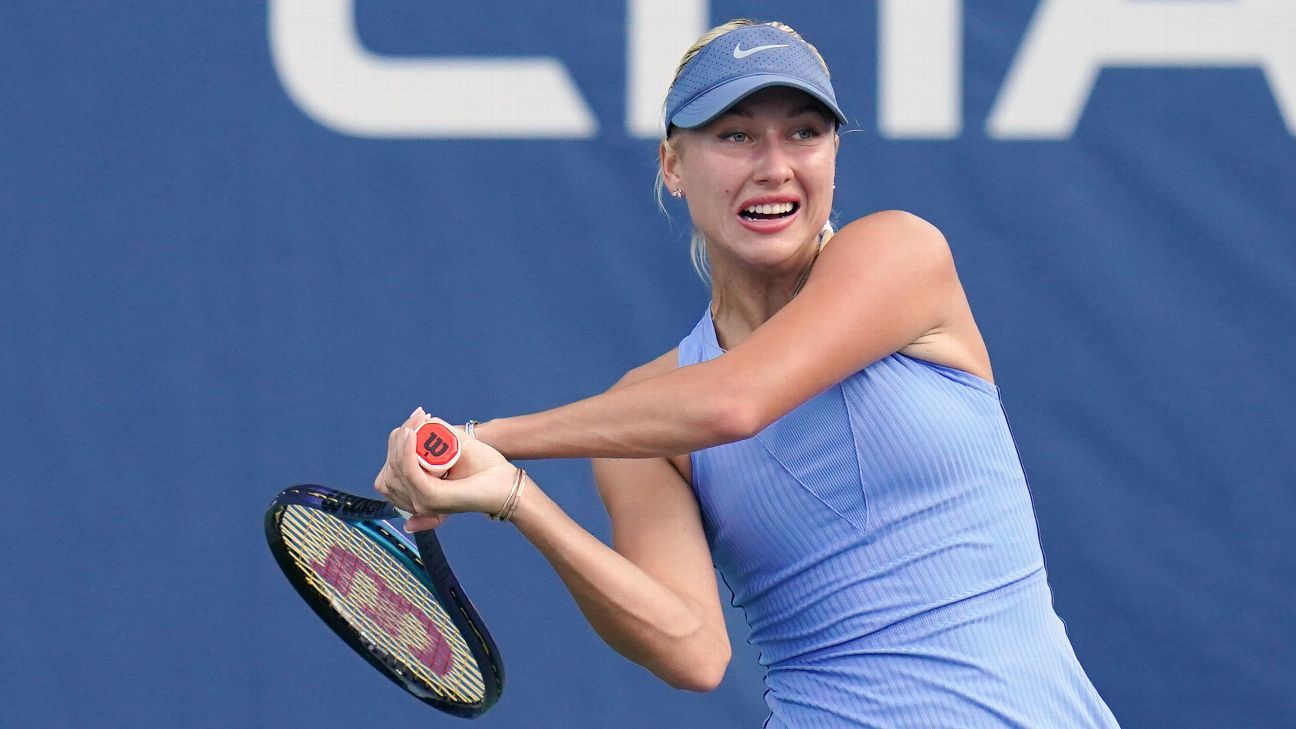
Anastasia Potapova’s National Switch: A Deep Dive into Athlete Allegiance and the Billie Jean King Cup
The world of professional tennis is no stranger to dramatic shifts, but the recent announcement by Anastasia Potapova, a highly-ranked player, to switch her national allegiance from Russia to Austria has sparked considerable discussion. This isn’t simply a career move; it’s a complex decision with implications for international competition, athlete identity, and the ongoing geopolitical landscape. This article will explore the nuances of Potapova’s decision, the rules governing nationality changes in tennis, and the broader context of athlete allegiance in the wake of global events. The core of this discussion revolves around nationality changes in professional sports, a topic increasingly relevant in today’s world.
The Context: Russia’s Ban and Athlete Restrictions
Following the 2022 invasion of Ukraine, numerous sporting bodies, including the International Tennis federation (ITF), imposed sanctions on Russia and Belarus.These sanctions included banning teams from participating in team competitions like the Billie Jean King Cup and the Davis Cup. Individual athletes from these countries were initially allowed to compete under a neutral flag, but restrictions have tightened over time.
Did you Know? The ITF initially allowed Russian and Belarusian players to compete as “neutral athletes” but later implemented stricter rules regarding their participation, notably in team events.
This created a challenging situation for athletes like Potapova, who wished to continue competing at the highest level but were effectively barred from representing their birth nation. The inability to participate in team events, specifically the Billie Jean King Cup, was a significant factor in her decision.
Why Austria? Potapova’s Connection and the Path to Citizenship
potapova’s choice of Austria isn’t arbitrary. She has publicly expressed a strong affinity for the country, particularly Vienna (wien), stating it feels like a “second home.” She’s been spending increasing amounts of time there, and the move allows her to represent a nation she genuinely feels connected to.
The process of changing nationality for sporting purposes isn’t straightforward. The ITF has specific regulations governing these transitions.Generally, athletes must demonstrate a genuine connection to their new country, often through residency and a commitment to representing that nation in international competitions.Potapova will officially represent Austria starting in 2026, indicating a completed citizenship process.
Pro Tip: Athletes considering a nationality change should consult with legal counsel specializing in international sports law to ensure compliance with all relevant regulations.
the Impact on austrian Tennis and the Billie Jean King Cup
Potapova’s arrival considerably boosts Austria’s standing in women’s tennis. Currently ranked 51st in the world - having previously reached a career high of 21st in June 2023 – she immediately becomes Austria’s highest-ranked player, surpassing Julia Grabher (ranked 94th). this provides a substantial competitive advantage for Austria in the Billie Jean King Cup.
Here’s a speedy comparison:
| Player | Current Rank (Dec 5, 2025) | Highest Rank | nationality |
|---|---|---|---|
| Anastasia Potapova | 51 | 21 | Austria (from 2026) |
| Julia Grabher | 94 | 94 | Austria |
This addition could propel Austria into higher tiers of the competition, increasing their chances of qualifying for the finals. The Billie Jean King Cup, formerly known as the Fed Cup, is a premier international team event in women’s tennis, and having a player of Potapova’s caliber is a game-changer for the Austrian team.
Controversies and Ethical Considerations: athlete Allegiance in a Globalized World
potapova’s case isn’t without its complexities.Some critics argue that switching nationalities solely for sporting advantage undermines the spirit of international competition. Others question the ethics of representing a nation when one’s roots lie elsewhere.
However, it’s crucial to consider the context
Related reading