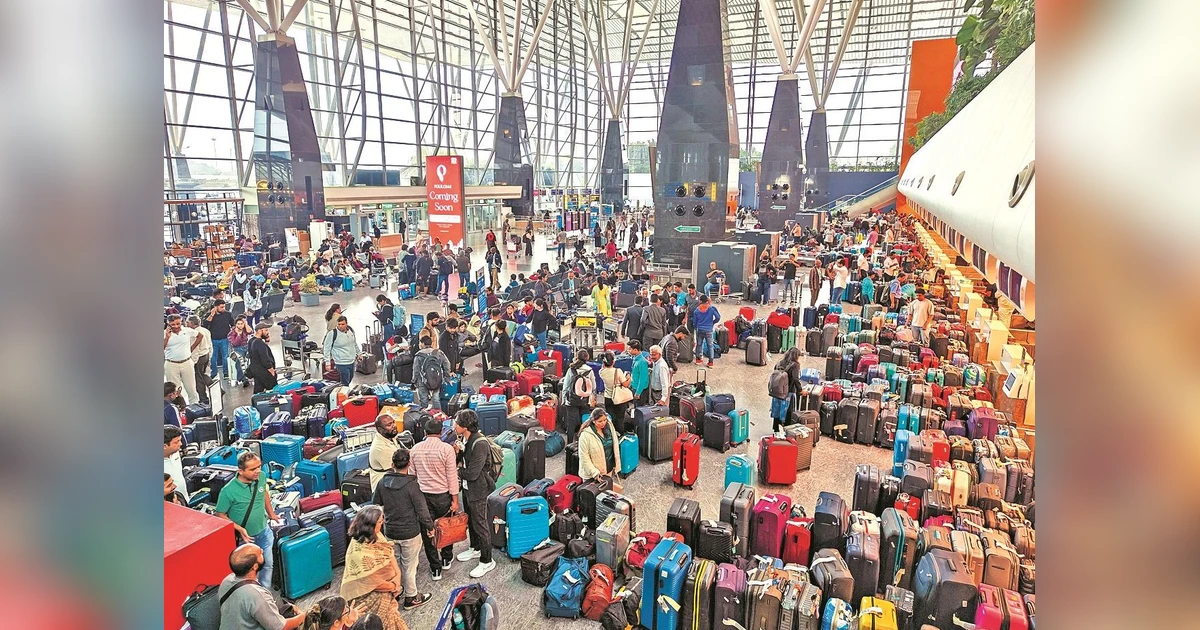
IndiGo Flight Disruptions: A Deep Dive into the Causes, Current Status, and What Passengers Can Expect
The past few days have seen meaningful flight disruptions at IndiGo, India’s largest airline, leaving thousands of passengers stranded. While the situation is improving,understanding the root causes and the steps being taken to restore normalcy is crucial. This article provides a extensive overview, drawing on official statements from the Directorate General of Civil Aviation (DGCA), IndiGo leadership, and related developments.
What Happened? The Core of the Issue
The disruptions weren’t due to external factors like weather. Instead, they stemmed from IndiGo’s miscalculation regarding the impact of revised Flight Duty Time Limitations (FDTL) rules implemented on November 1st. These rules, designed to enhance pilot fatigue management and improve flight safety, proved more challenging for IndiGo to integrate into its existing crew scheduling than anticipated.
Specifically, phase II of the FDTL changes tightened restrictions on pilot duty during the early morning hours (0200-0600), a period when fatigue risk is highest. Key changes included:
* Night Duty Definition: Any duty overlapping 0000-0600 hours in a pilot’s acclimatized time zone is now considered ”night duty.”
* Flight Time Caps: Flight time during these “night duty” periods is capped at 8 hours.
* Total Duty Limits: Total duty time during these periods is limited to 10 hours.
* Landing Restrictions: Pilots are typically limited to two landings during these periods.
IndiGo acknowledged its crew planning was “insufficient” to accommodate these new regulations, leading to widespread flight cancellations and delays.
The Timeline of Events & Response
Here’s a breakdown of how the situation unfolded:
* April: The Delhi High Court issued its order on the new FDTL rules.
* Ongoing: The DGCA issued “repeated” directives to indigo to prepare for implementation.
* November 1st: Phase II of the revised FDTL rules went into effect.
* November 3rd: IndiGo initiated a complete system reboot, resulting in its highest cancellation rate yet, but deemed necessary for “progressive improvements.”
* November 3rd (evening): IndiGo CEO Pieter Elbers publicly addressed the situation, outlining the airline’s plan for recovery.
* Current Status: Flight schedules are stabilizing, with complete restoration of services anticipated within three days. IndiGo expects cancellations to fall below 1,000 tomorrow.
* Long-Term Outlook: Full return to normal operations is projected between December 10th and 15th.
DGCA intervention & Temporary Relief
Recognizing the widespread disruption to the national aviation network, the DGCA took decisive action. In collaboration with the Ministry of Civil Aviation (MoCA),the DGCA temporarily suspended the new FDTL rules,effective untill February 10th.
It’s important to understand this is a one-time measure solely intended to stabilize flight operations. The DGCA emphasized this is not a compromise on safety and reserves the right to withdraw the relief at any time.
What This Means for You, the Passenger
If you are affected by these disruptions, here’s what you need to know:
* Check Your Flight Status: Continuously monitor your flight status directly with IndiGo.
* Understand Your Rights: You are entitled to compensation for delays and cancellations,as per DGCA regulations. Familiarize yourself with these rights on the DGCA website.
* Be Patient: While the situation is improving, full recovery will take time.
* Consider Alternatives: If possible, explore alternative travel options, including rail.
IndiGo’s Plan for Recovery & Future Prevention
IndiGo is taking several steps to address the immediate crisis and prevent recurrence:
* New Recruitment: The airline has announced plans to recruit additional crew members to meet required standards.
* Roster Optimization: IndiGo is actively revising its crew rostering and planning processes.
* DGCA Reporting: The airline is required to submit bi-weekly progress reports to the DGCA detailing crew utilization, availability, operational fixes,
Keep reading