Venezuela-US tensions Escalate: A Deep Dive into the Crisis and International Response
The situation in Venezuela continues to deteriorate, marked by escalating tensions with the United States and a complex web of international involvement. Recent events, including a bolstered US military presence in the Caribbean, intercepted oil tankers, and accusations of state-sponsored terrorism, have brought the crisis to a boiling point. This article provides a extensive analysis of the current situation, examining the core issues, the international response, and potential future implications.
The Core of the Conflict: oil, accusations, and Sovereignty
At the heart of the conflict lies Venezuela’s vast oil reserves – the largest proven reserves in the world.US President Donald Trump‘s management accuses the Nicolás Maduro government of leveraging these resources to fund illicit activities, specifically “narcoterrorism, human trafficking, murders, and kidnappings.” These accusations, however, are vehemently denied by Caracas, which contends that Washington’s true objective is regime change and the seizure of Venezuelan oil.
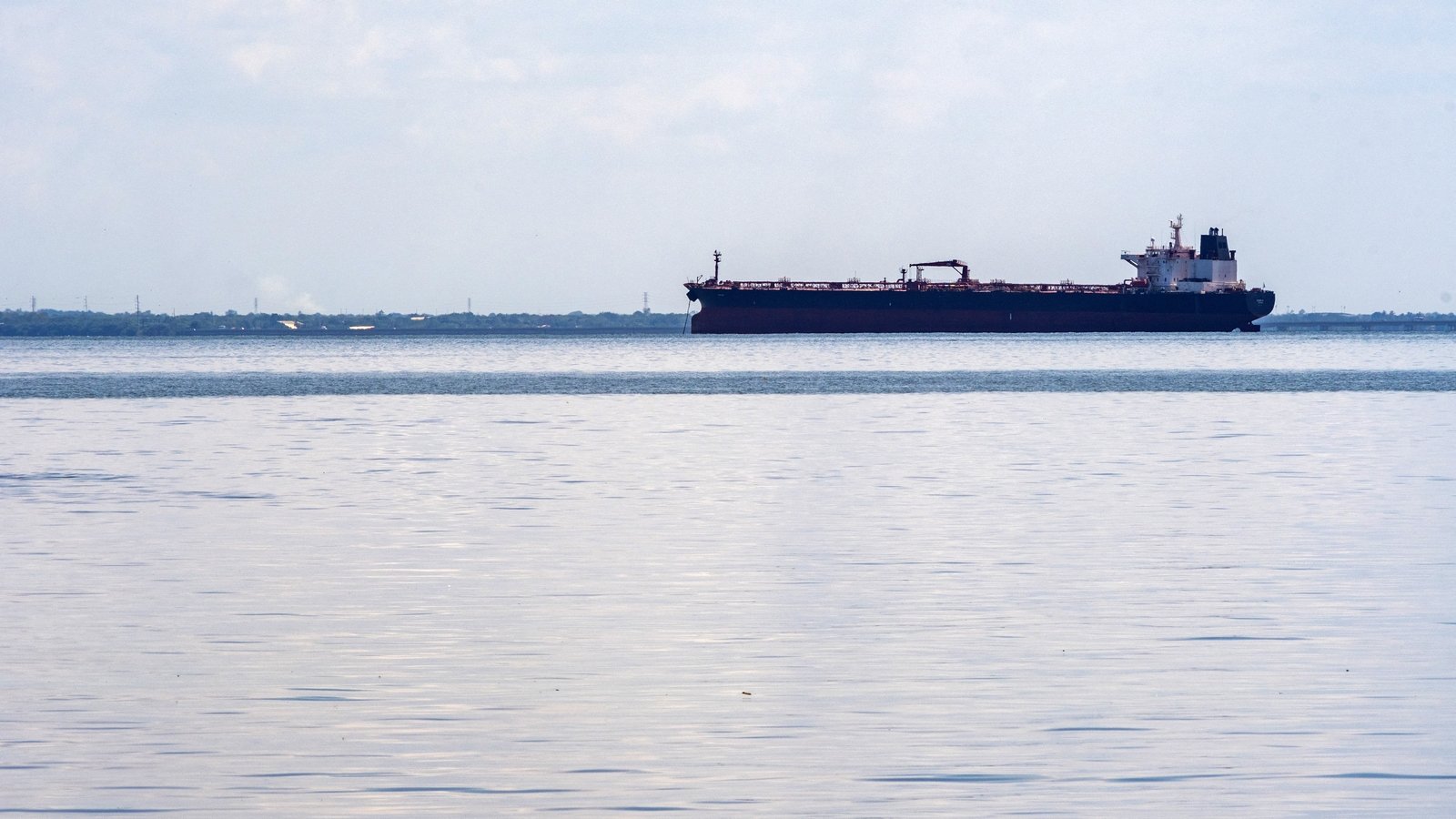
The US has imposed increasingly stringent sanctions on Venezuela, aiming to cripple its economy and force Maduro from power.This strategy has included a naval blockade targeting Venezuelan vessels believed to be circumventing sanctions, and a significant military deployment to the Caribbean Sea. The recent interception of oil tankers, justified by the US as enforcement of sanctions, has been condemned by Venezuela and its allies as an act of aggression.
Adding fuel to the fire, the US government has offered a $50 million reward for information leading to the arrest of President Maduro, labeling him a fugitive wanted by American justice and the alleged head of a ”foreign terrorist association” known as the ‘Cartel de los Soles’ (Cartel of the Suns). Though, experts note a lack of concrete evidence supporting the existence of this organized criminal group with a defined hierarchy.
International Reactions: Russia and China Challenge US Actions
The escalating US pressure has drawn sharp criticism from key international players,notably Russia and China. during an emergency meeting of the UN Security Council, convened at Venezuela’s request, both nations condemned what they characterized as “cowboy behavior” and “intimidation” by the United States.
Russia’s Ambassador to the United Nations, Vassily Nebenzia, denounced the US blockade as an “act of aggression” and argued that US actions were directly responsible for the “catastrophic consequences” unfolding in Venezuela.He emphasized the violation of key norms of international law.
China’s representative, Sun Lei, echoed these sentiments, stating opposition to “all acts of unilateralism and bullying” and reaffirming support for Venezuela’s sovereignty and national dignity.
Venezuela’s Ambassador, Samuel Moncada, delivered a scathing indictment of US policy, accusing Washington of attempting to force a regime change and seize control of the country’s resources.He described the situation as “the greatest extortion known in our history.”
US Ambassador mike Waltz defended his country’s actions, asserting that the United states would “do everything in its power to protect our hemisphere, our borders, and the American people.” He reiterated the Trump administration’s accusations against Maduro.
The Human Cost and Concerns Over Escalation
Beyond the geopolitical maneuvering, the crisis is taking a devastating toll on the Venezuelan people. Years of economic mismanagement,coupled with US sanctions,have led to hyperinflation,widespread shortages of food and medicine,and a mass exodus of Venezuelans seeking refuge in neighboring countries.
Moreover, reports indicate that US forces have conducted dozens of airstrikes as September targeting vessels allegedly involved in drug trafficking. These strikes, conducted without publicly presented evidence, have reportedly resulted in over 100 fatalities, raising serious concerns about civilian casualties and the potential for further escalation. The lack of transparency surrounding these operations fuels accusations of unlawful use of force.
evergreen Insights: The History of US-Venezuela Relations & Resource Politics
The current crisis isn’t an isolated event. US-Venezuela relations have been fraught with tension for decades, largely stemming from Venezuela’s oil wealth and its self-reliant foreign policy. Historically, Venezuela was a key US ally, but the rise of Hugo Chávez in 1999 marked a turning point. Chávez’s socialist policies and close ties with countries like Cuba and Russia challenged US dominance in the region.
The dynamic highlights a recurring theme in international relations: the struggle for control over vital resources.Venezuela’s oil reserves represent a significant strategic asset, and the competition to influence its political trajectory reflects broader geopolitical interests. Understanding this historical context is crucial for interpreting the current crisis and anticipating future developments.
Frequently Asked Questions (FAQ)
1. What are the primary reasons for the US sanctions against Venezuela? The US sanctions
Related reading
- Germany’s Most Beautiful State: Cinematic Documentary Review
- Saltwater Pipe Burst on Haiphong Road in Mong Kok Causes Traffic Disruptions
- Why Nighttime Heat Is Rising Faster Than Daytime Highs in US Cities (daybreakwire.com)
- Dow Jones Plunges 555 Points as Middle East Tensions Spike Oil Prices (archyworldys.com)