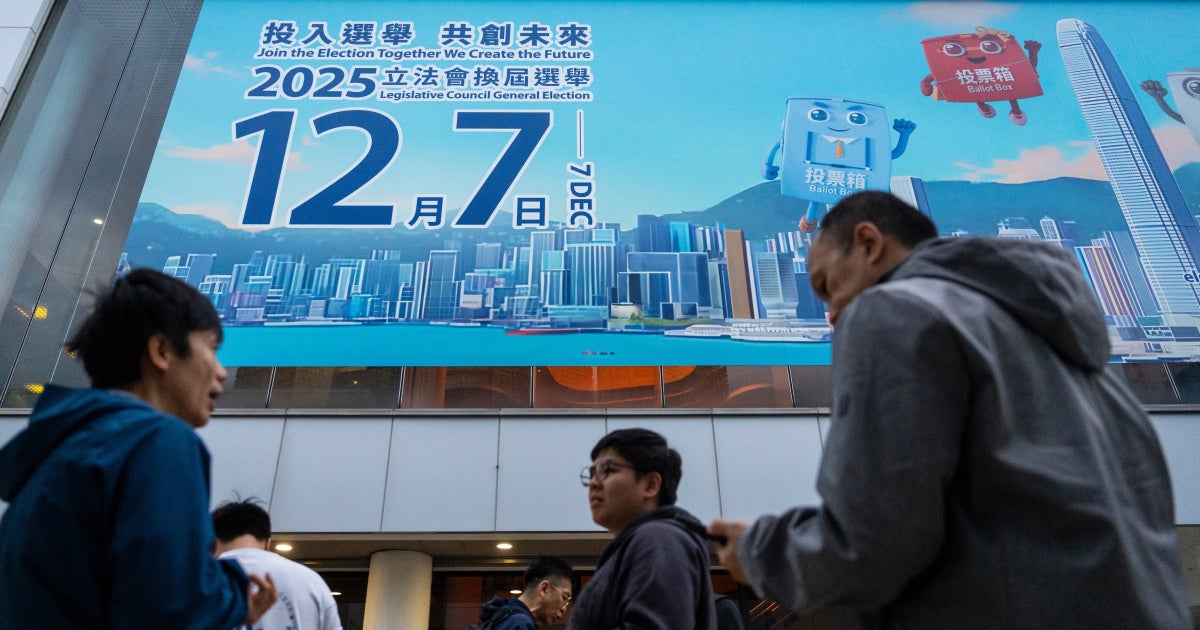
The erosion of Democracy in Hong Kong: A Legislative Council Under Beijing’s Control
The upcoming December 7th elections for Hong Kong’s Legislative Council (LegCo) mark a stark turning point for the city’s autonomy. With no pro-democracy candidates on the ballot, the election is widely viewed as a symbolic exercise in control by Beijing, a far cry from the vibrant political landscape Hong Kong once possessed. This isn’t simply about political portrayal; it’s about the systematic dismantling of freedoms and the chilling effect on civic participation. Are these elections a genuine reflection of the will of the people,or a carefully orchestrated performance?
Beijing’s grip on Hong Kong has tightened significantly over the past five years,culminating in a LegCo overwhelmingly populated by pro-China loyalists. The changes implemented – reducing directly elected seats from 35 to 20 out of 90,disqualifying pro-democracy lawmakers,and the imprisonment of key opposition figures - demonstrate a clear intent to silence dissent. The dissolution of pro-democracy parties, including the last active group, the League of Social Democrats, in June, further underscores this reality. Recent data from the hong Kong Public Opinion research Institute (HKPORI) shows a dramatic decline in public trust in the LegCo, falling from 52% in 2019 to just 28% in late 2023. This erosion of trust highlights the growing disconnect between the government and the people it claims to represent.
The Mechanics of Control & Increasing Mainland Influence
The recent shake-up, with 22 veteran pro-Beijing lawmakers choosing not to seek re-election, suggests a deliberate strategy by Beijing to install even more compliant figures. This isn’t merely about loyalty; it’s about ensuring absolute adherence to the communist Party line. The increasing presence of mainland officials within the LegCo,individuals with limited understanding of Hong Kong’s unique context,raises serious concerns about effective governance. This influx of officials, coupled with a reported 80% decrease in public hearings, signifies a move away from transparency and accountability. The focus has shifted from representing the diverse needs of Hong Kong to implementing directives from Beijing. This situation is further complicated by the National Security Law, which has been used to suppress dissent and criminalize activities previously considered legitimate political expression.
The crackdown extends beyond the political sphere. Authorities have arrested individuals for “inciting” others to abstain from voting, and even sentenced citizens to imprisonment for supporting initiatives like the Hong Kong Parliament, a diaspora-led attempt to create an unofficial democratic legislature. This demonstrates a zero-tolerance approach to any form of opposition, even those existing outside of Hong Kong’s borders. The chilling effect of these actions is undeniable, discouraging citizens from voicing their concerns and participating in political discourse. Understanding the implications of the National Security Law is crucial; resources like Amnesty International’s report on the law (https://www.amnesty.org/en/location/asia-and-the-pacific/hong-kong/report-hong-kong/) provide detailed analysis of its impact on human rights.
Despite beijing’s efforts to portray the LegCo as a functioning legislative body – having approved 130 bills while rejecting only one (regarding same-sex rights) – the lack of genuine debate and the suppression of dissenting voices render its legitimacy questionable. The recent devastating Tai Po fire, and the subsequent concerns about government negligence, serve as a stark reminder of the real-world consequences of diminished democratic institutions. The demands for accountability following the tragedy are reportedly causing unease within Beijing, highlighting the inherent risks of suppressing public scrutiny.
Practical Tip: For those seeking to understand the evolving political landscape in Hong Kong, regularly consult reports from organizations like Human Rights Watch (https://www.hrw.org/asia/hong-kong) and Freedom House (https://freedomhouse.org/country/hong-kong) to stay informed about the latest developments.
Evergreen Insights: The Long-Term Implications for Hong Kong
The erosion of democratic principles in hong Kong isn’t just a political issue; it’s an economic and social one. Hong Kong’s success was built on its rule of law, autonomous judiciary, and freedom of expression. These qualities attracted international investment and fostered a thriving business environment. As these freedoms diminish, so too does Hong Kong’s appeal as a global financial hub. The outflow of talent and capital is already noticeable, and this trend is likely to accelerate if the current trajectory continues. The long-term consequences could include a decline in economic competitiveness, a loss of
Keep reading
- Japan’s Disaster Response Failures Exposed After Kumamoto Earthquake
- Trump, Netanyahu, and the Saudi Nuclear Deal: A Relationship Under Strain
- FDA Approves New Low-Dose Estrogen Birth Control Patch (world-today-news.com)
- Regular School Attendance Is Key to Unlocking Mississippi’s Future Success (news-usa.today)