The Shifting Sands of Work-Life Balance in Japan: A High-Profile Controversy
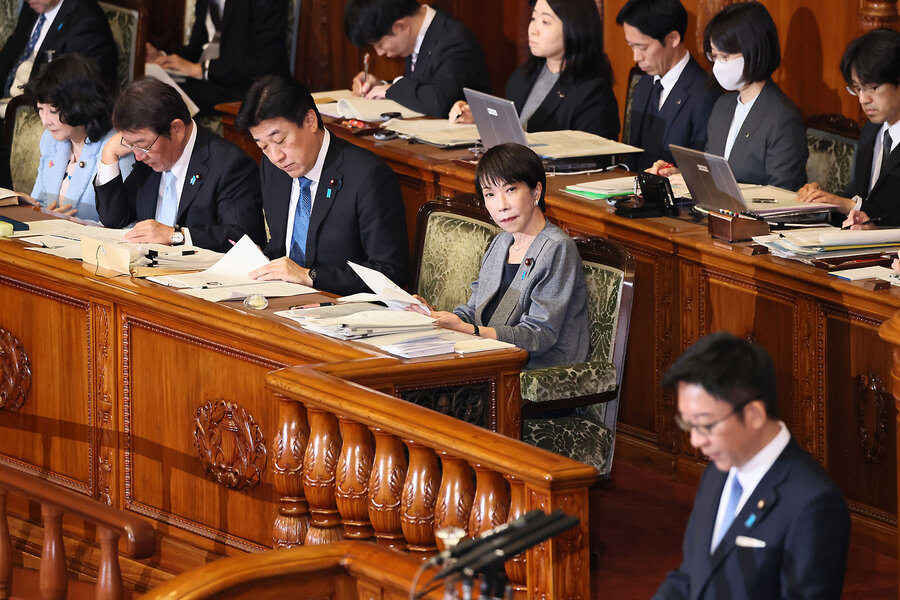
A recent incident involving a Japanese cabinet minister has ignited a national conversation about the relentless work culture that continues to define much of Japanese society.The controversy centers around an early morning meeting initiated by economic Security Minister Takaichi Sanae, sparking debate about expectations for public servants and the broader pursuit of work-life balance.
the situation unfolded when Minister Takaichi held a meeting with staff at 6:30 AM, a practice that drew immediate criticism. Manny questioned the necessity of such an early start, highlighting the potential strain on those required to participate. This isn’t simply about a single meeting; it’s a symptom of a deeply ingrained societal norm.
A Culture of Long Hours
For decades, Japan has been known for its dedication to hard work, often at the expense of personal well-being. This dedication, while historically linked to rapid economic growth, is now facing increasing scrutiny.you might be wondering why this is suddenly a focal point.
Several factors are at play, including a declining birth rate, an aging population, and a growing awareness of the negative impacts of karoshi – death by overwork. Consequently, there’s a rising demand for a more sustainable approach to work.
defending the Status Quo – and the Pushback
Some defended Minister Takaichi’s actions, arguing that demanding hours are simply part of public service. Veteran talk show host Furutachi Ichiro, with a ample online following, questioned the criticism, suggesting that both politicians and bureaucrats should be dedicated to serving the public.
However, his perspective appears to be increasingly out of step with public opinion. He even suggested that those in the private sector should also sacrifice work-life balance for economic growth. This statement fueled further debate and highlighted the widening gap between conventional expectations and evolving values.
What Do the People Wont?
Recent surveys reveal a strong desire for improved workplace protections. A 2023 government survey found that a vast majority – 87.6% of respondents – believe appropriate monthly overtime should fall within the 1-20 hour range.Onyl a small fraction, 3.1%, considered exceeding 45 hours acceptable.
This data clearly indicates that most Japanese citizens prioritize a healthier balance between their professional and personal lives. It’s a sentiment that’s gaining momentum.
The Business Case for Balance
Interestingly, prioritizing work-life balance isn’t just about employee well-being; it’s also good for business. Research from the Meiji Yasuda Research Institute suggests that employees are more engaged and committed to long-term career growth when they have reasonable hours and opportunities for time off.
This translates to increased skill-building, greater productivity, and a more sustainable workforce. It’s a win-win scenario.
Acknowledging the Issue
even Minister Takaichi herself has acknowledged the concerns, issuing an apology for ”causing trouble” to her staff, driver, and security personnel. this backtracking suggests a recognition of the sensitivity surrounding the issue and the potential for negative repercussions.
Modeling a New Approach
Individuals like Oizumi are actively working to shift the narrative. She and her group are visiting schools and universities, preparing students for the realities of the Japanese workforce while emphasizing the importance of prioritizing life over work.
Her message is simple yet powerful: “Nothing is more vital than life, so please don’t push yourself.” This proactive approach is crucial for fostering a cultural shift.
Key Takeaways:
* The incident with Minister Takaichi has sparked a national conversation. It’s a catalyst for change.
* Public opinion overwhelmingly favors stronger workplace protections. People are demanding a better balance.
* Work-life balance isn’t just a quality-of-life issue; it’s an economic imperative. It drives engagement and productivity.
* A cultural shift is underway, with individuals and organizations advocating for a more sustainable approach to work. The future of work in Japan is being redefined.
This debate isn’t
Keep reading