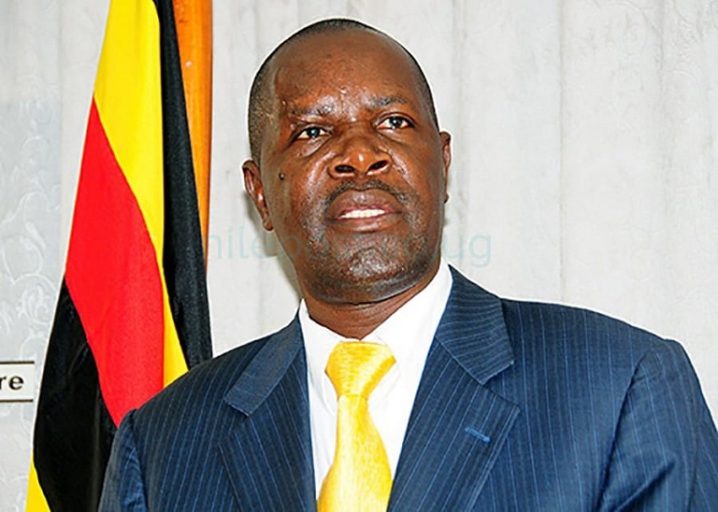
The Unfolding Reality of Mugisha Muntu’s Presidential Bid: A Veteran’s Struggle for Traction
The Ugandan presidential race is, as always, a complex landscape. While all contenders deserve scrutiny, the persistent struggle of retired major General Gregory Mugisha Muntu to gain notable momentum on the campaign trail is a notably compelling narrative. Despite a distinguished, decades-long career within the National Resistance Movement (NRM) adn the Ugandan military, Muntu finds himself facing an uphill battle, one that raises fundamental questions about his political viability and the nature of Ugandan political discourse.
For those unfamiliar with his history, Muntu’s trajectory is remarkable. Appointed Army Commander at the young age of 29 in 1989, he represents a unique case study in rapid advancement. He bypassed the conventional rank of Brigadier,moving directly from Colonel to Major General – a decision that,at the time,sparked considerable discussion. This meteoric rise was directly facilitated by President Yoweri Museveni, a fact that adds a layer of complexity to Muntu’s current challenge to the incumbent.
However, past patronage doesn’t guarantee present success. Recent electoral results paint a stark picture. In the previous presidential election, Muntu garnered a mere 0.65% of the national vote – 67,574 ballots. The early indicators of this campaign suggest a similar outcome is likely. While a second attempt is not inherently a failure, the lack of demonstrable traction raises legitimate concerns. To continue pursuing the presidency in the face of such headwinds risks mirroring the path of veteran opposition figure kizza Besigye, who repeatedly challenged Museveni without achieving victory.
A Legacy Under Scrutiny: Beyond the Clean Slate
Muntu often presents himself as a candidate of integrity and systemic reform. He speaks of building “systems” to address Uganda’s challenges. Yet, a closer examination of his leadership roles reveals a more nuanced reality.As Chief of Military Intelligence, Commander of the 5th Infantry Division, Chief Political Commissar, and ultimately Army Commander for nine years, Muntu held positions of immense power during a critical period in Uganda’s history.
It’s fair to ask: what tangible results did he achieve in ending ongoing conflicts during his tenure? Furthermore,accusations of widespread corruption and indiscipline within the NRA/UPDF during his time as Army Commander cannot be ignored. The emergence of the derogatory term “kateebe” – referring to soldiers involved in illicit activities – speaks to a period of internal challenges.
His subsequent leadership of the forum for Democratic Change (FDC), first as Organizing Secretary and then as President, also yielded limited success. The party stagnated, and his more recent venture, the Alliance for National Change (ANT), appears to be struggling for relevance.These failures raise questions about his ability to translate vision into effective organizational leadership and build a broad-based political movement.
The Paradox of a Veteran’s Critique
It’s understandable why Muntu might feel compelled to challenge Museveni, given their shared history and differing visions for Uganda. Though, his critique frequently enough feels… incomplete. He seems to downplay the significant progress Uganda has made under Museveni’s leadership – the restoration of security, the rebuilding of the state, and the ongoing socio-economic transformation.
To suggest, as some of his supporters do, that he represents the president Uganda should have had feels like a rejection of the very progress that has been made. It’s a sentiment that resonates with a small segment of the population, particularly those who remember his military service and perceive him as disciplined and uncorrupt. But it’s a message that fails to connect with the broader electorate.
The Limits of Shallow Politics
The current state of Ugandan politics is, frankly, disheartening. The fact that candidates with demonstrably limited prospects are even on the ballot speaks to the challenges facing the country’s democratic process. It’s a system that, at times, seems to reward persistence over competence, and familiarity over fresh ideas.
Mugisha Muntu’s continued candidacy, while admirable in its dedication, feels increasingly like a case of presenting the same arguments to a jury that has repeatedly returned a negative verdict. While we wish him well, the reality is that his chances of success appear slim.
Ultimately, the Ugandan electorate will decide the future of their nation. But it’s crucial to engage in a frank and honest assessment of each candidate’s strengths, weaknesses, and track record. In the case of Mugisha Muntu, the evidence suggests that his time may have passed