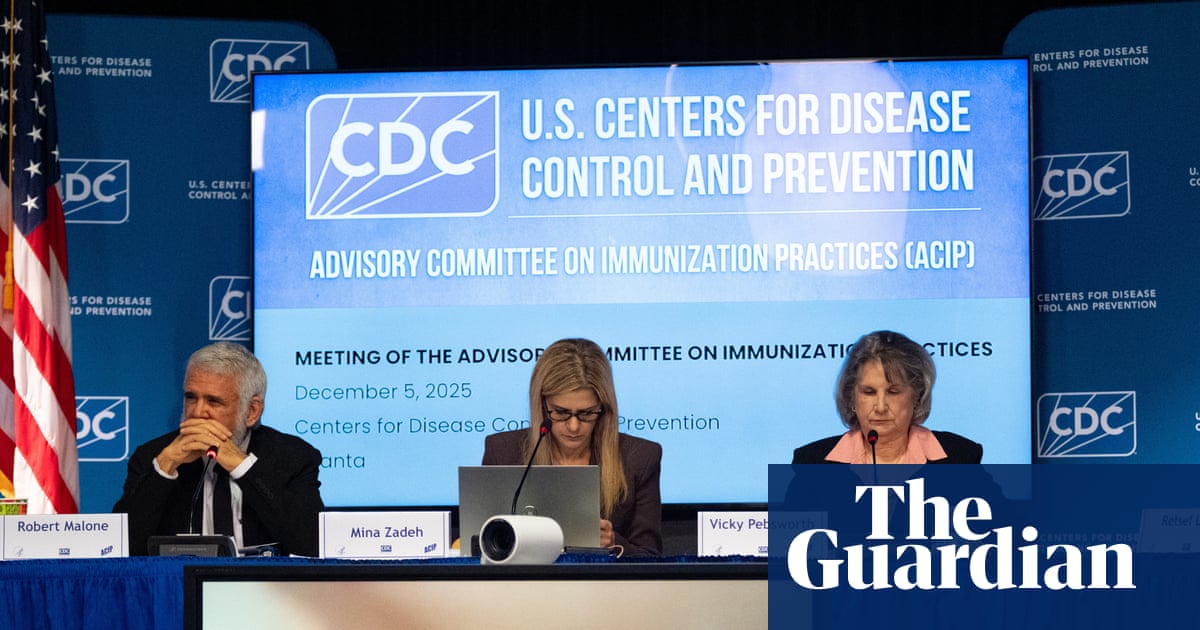
The Future of Hepatitis B Vaccination: Understanding the Shift to “Clinical Decision-Making“
Recent changes to how the hepatitis B vaccine is recommended have sparked confusion and concern. The Centers for Disease Control and Prevention (CDC) is moving away from a standard suggestion to a framework called “clinical decision-making.” But what does this mean for you and your family? Here’s a comprehensive look at the changes, the reasoning behind them, and what you need to know.
What is “Clinical Decision-Making” and Why does it Matter?
“Clinical decision-making” isn’t a widely understood term. Essentially, it moves the Hepatitis B vaccine from a routinely recommended shot to one discussed and decided upon between you and your healthcare provider.
This approach is typically reserved for vaccines where a full recommendation isn’t warranted. Historically, it’s been applied to only five vaccines. The shift for the COVID-19 vaccine to this framework already caused uncertainty, and the same is happening now with Hepatitis B. A key concern is that insurance coverage isn’t always guaranteed for vaccines recommended under this model.
Will My Insurance Still Cover the Hepatitis B Vaccine?
Generally, private insurance plans through your employer will likely continue to cover the vaccine. However, coverage through federal programs for infants under two months old – if the vaccine isn’t administered at birth – remains unclear.It’s best to verify coverage with your insurance provider directly.
Why is the Hepatitis B Vaccine So Crucial, Especially for Newborns?
Hepatitis B poses the greatest risk to infants infected during their first year of life. A baby who contracts the virus before age one has a staggering 90% chance of developing a chronic infection. This can lead to serious long-term health problems, including cirrhosis, liver cancer, and even death.
In contrast, only about 5% of adults with Hepatitis B develop a chronic infection. Since the global newborn vaccination programme began in 1990, reported cases of Hepatitis B in children have plummeted by 99% – from 20,000 to approximately 20 today. This demonstrates the vaccine’s remarkable effectiveness.
Is the Hepatitis B Vaccine Safe?
Absolutely. The Hepatitis B vaccine is exceptionally safe, having been administered to over a billion people worldwide over three decades. Presenters at the recent CDC meeting presented no new data raising safety concerns. Extensive research consistently confirms its safety profile.
What Concerns Do Vaccine Skeptics Raise?
Some skeptics, including those who presented at the CDC meeting, express worries about a potential link between vaccines and chronic conditions like allergies, eczema, or neurodevelopmental disorders such as autism. However, numerous rigorous studies have found no evidence to support these claims. These concerns are repeatedly debunked by the scientific community.
Why is This Shift in Recommendation concerning?
The move towards “clinical decision-making” for the Hepatitis B vaccine represents a worrying trend. It undermines decades of evidence-based recommendations and sets a dangerous precedent. Questioning a proven safe and effective vaccine can erode public trust in all vaccines, possibly leading to a resurgence of preventable diseases.
Resources for Further Details:
* Skeptical Raptor: Shared Clinical Decision-Making – What Does It Mean for Vaccines?
Disclaimer: I am an AI chatbot and cannot provide medical advice. This information is for general knowledge and informational purposes only, and does not constitute medical advice. It is indeed essential to consult with a qualified healthcare professional for any health concerns or before making any decisions related to your health or treatment.
Worth a look