Understanding Legionnaires’ Disease: A Comprehensive Guide
Legionnaires’ disease is a serious type of pneumonia that can be frightening to hear about. However,understanding the illness – how it spreads,who is at risk,and how it’s treated – can empower you to protect your health. Let’s break down everything you need to know.
What Exactly is Legionnaires’ Disease?
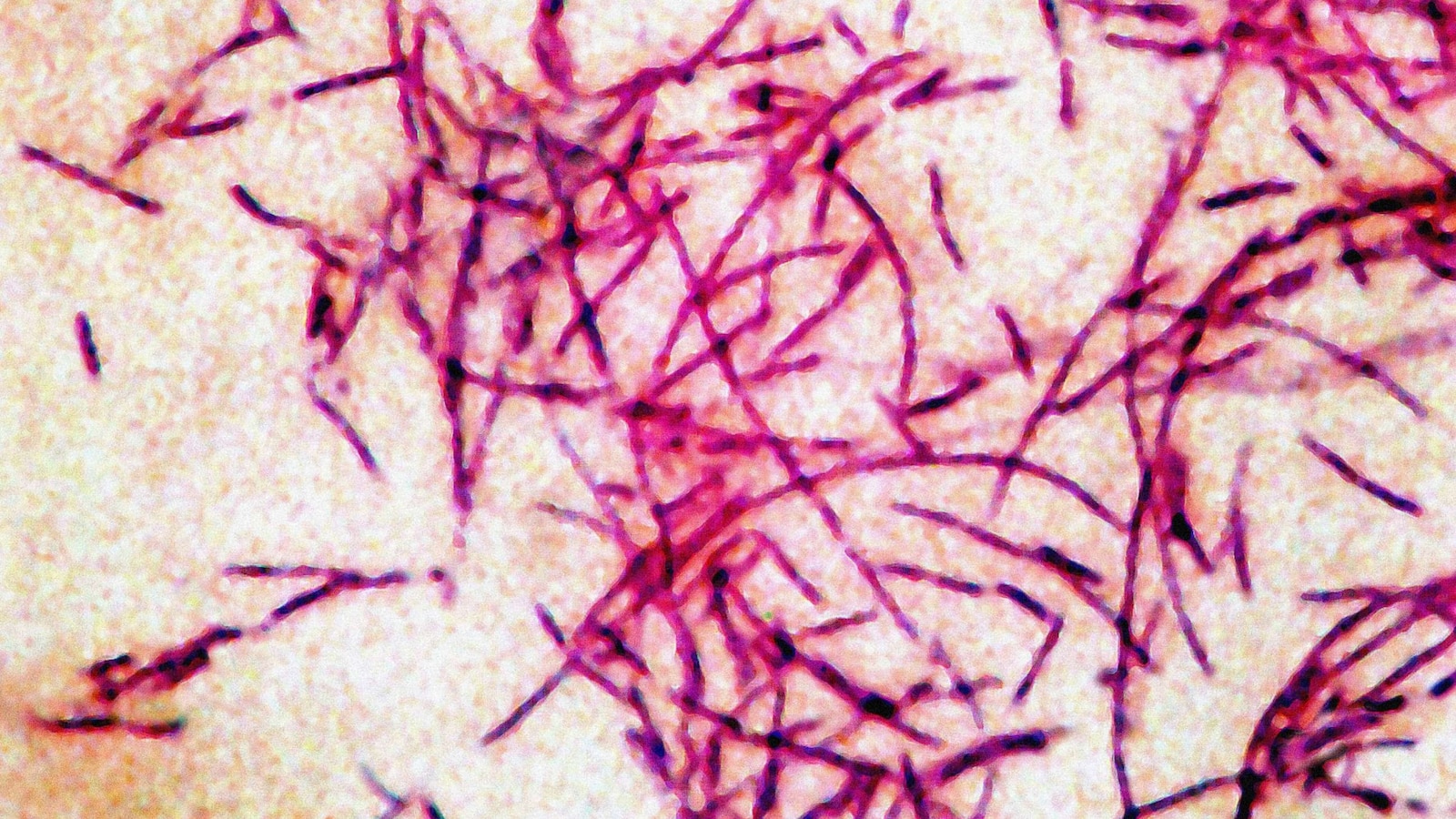
It’s an infection of your lungs caused by Legionella bacteria. You contract it by breathing in tiny droplets of water containing the bacteria,or,more rarely,by accidentally inhaling contaminated water into your lungs. Importantly, it doesn’t spread from person to person.
Where Does This Bacteria Come From?
Legionella naturally lives in freshwater environments like lakes and streams. However, it thrives in warm water systems, making certain man-made environments potential breeding grounds. These include:
* Shower heads and faucets
* Hot water tanks
* Cooling towers
* Plumbing systems in large buildings
Why the Recent Increase in Cases?
Over the last decade, we’ve seen a concerning rise in Legionnaires’ disease cases. The CDC reported a peak of 2.71 cases per 100,000 people in 2018. While numbers dipped during the initial phase of the COVID-19 pandemic, they rebounded in 2021, highlighting the ongoing need for vigilance.
Who is Most at Risk?
While anyone can get Legionnaires’ disease, certain individuals are more vulnerable.You may be at higher risk if you:
* Are 50 years or older
* Have a weakened immune system
* Have a chronic lung condition,like COPD or emphysema
* Smoke cigarettes (current or former)
* Have cancer
* Take medications that suppress your immune system
What are the Symptoms to Watch For?
Legionnaires’ disease presents similarly to other types of pneumonia. Common symptoms include:
* Cough
* Shortness of breath
* Fever
* Muscle aches
* Headache
* Fatigue
Sometimes,symptoms can also include diarrhea,nausea,and vomiting. If you experience these symptoms, especially after being in a place with potential water exposure (hotel, hospital, cruise ship), it’s crucial to seek medical attention immediately.
How is Legionnaires’ Disease Diagnosed and Treated?
Diagnosing Legionnaires’ disease requires a urine test and sometimes a sputum sample to detect the Legionella bacteria. Fortunately, it’s typically treated with antibiotics. Most people make a full recovery with prompt treatment.
What are the Potential Complications?
While most people recover well,Legionnaires’ disease can be severe,especially for those with underlying health conditions. Complications can include:
* Respiratory failure
* Septic shock
* Organ failure
Sadly,about 10% of people who develop Legionnaires’ disease don’t survive. This number increases to around 25% for those who contract the illness while hospitalized.
How Can You Protect Yourself?
Protecting yourself involves being aware of potential risks and taking preventative measures. Consider these steps:
* When traveling, inquire about the water safety practices of hotels and other accommodations.
* Maintain your home’s water systems, including regular flushing of infrequently used faucets.
* Ensure proper maintenance of cooling towers and other water systems in buildings you frequent.
* If you are immunocompromised, discuss additional precautions with your doctor.
Legionnaires’ disease is a serious illness, but with awareness and proactive steps, you can substantially reduce your risk. Remember, early diagnosis and treatment are key to a prosperous recovery. If you have any concerns, don’t hesitate to consult with your healthcare provider.