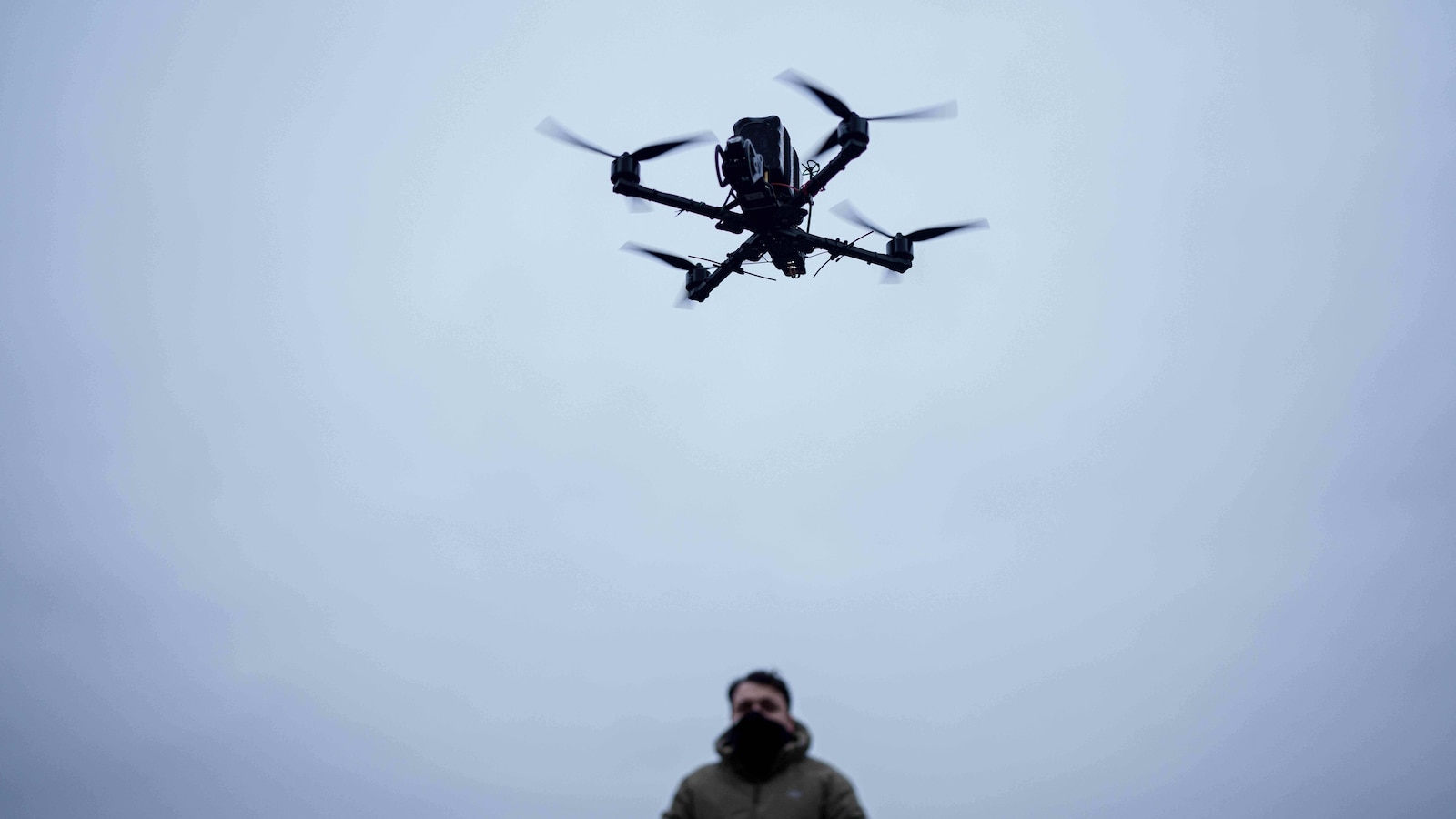
Teh Evolving Drone War: Innovation, Interceptors, and the Future of Air Defense
the conflict in Ukraine has dramatically reshaped the landscape of modern warfare, accelerating the progress and deployment of drone technology on both sides. Russia, notably, has embraced the Iranian-designed Shahed suicide drone, rapidly iterating on the original design with variants equipped with jammers, cameras, and even turbojet engines. This constant cycle of innovation defines the current battlefield.
It’s a dynamic back-and-forth, as one expert notes, with each side attempting to outmaneuver the other. “In some areas they are one step ahead; in others, we invent an innovative solution, and they suffer from it,” illustrating the relentless push for technological superiority.
The Rise of Low-Cost Interceptor Drones
However, the response isn’t solely about elegant countermeasures. A surprisingly effective solution has emerged: cheap interceptor drones. Thes are quickly becoming a cornerstone of modern counter-unmanned aerial systems,fundamentally altering the cost-benefit analysis of air defense.
They offer several key advantages:
* Affordability: Lower costs allow for wider deployment.
* Mobility: They can protect a greater number of targets.
* Scalability: They enable a layered defense approach.
Yet, it’s crucial to understand they aren’t a panacea. Success hinges on more than just the drone itself. Skilled operators, rapid command and control, and robust sensor networks are all essential components. interceptors work best as part of a broader strategy, complementing traditional defenses like missiles, anti-aircraft guns, and even physical countermeasures like nets.
Europe’s “Drone Wall” and Future Preparations
Looking ahead, defense planners in Ukraine and NATO anticipate continued, exponential growth in drone production. This escalating trend is driving urgent efforts to establish a comprehensive, layered air-defense system - often referred to as the “drone wall” – along Europe’s eastern borders.
This network, slated for rollout over the next two years, will focus on:
- Detecting drone threats.
- Tracking their movements.
- Intercepting them before they reach their targets.
Ukrainian-style interceptor drones are expected to play a vital role in this system, providing a cost-effective means of neutralizing threats.
Collaboration and Automation: the Next Phase
Furthermore,Ukrainian drone manufacturers are poised to expand collaborative production with U.S. and European firms.This partnership will combine Ukraine’s battle-tested designs and valuable operational data with Western funding and manufacturing scale, considerably boosting output and integrating Ukraine into established NATO supply chains.
Another critical development is the increasing automation of drone systems. As one expert argues, “Our mobile groups shouldn’t have to approach the front line, where they become targets.” The future lies in fully autonomous drones powered by artificial intelligence, a prospect that, while potentially unsettling, is essential for protecting soldiers and maximizing effectiveness.
Ultimately, the drone war is a testament to the speed of innovation in modern conflict. It demands a flexible, adaptable approach to defense, one that embraces new technologies, fosters collaboration, and prioritizes the safety of those on the front lines. You can expect this evolution to continue, shaping the future of air defense for years to come.
Related reading
- South Korea Wins Bronze in Table Tennis Mixed Doubles at 2024 Paris Olympics
- Euro Area and EU GDP Grow Faster Than Expected in Second Quarter 2026
- Russian Missile and Drone Strikes Kill at Least 13 People Across Ukraine (archyworldys.com)
- Russian Strikes Kill Dozens in Ukraine; Poland Scrambles Fighter Jets (world-today-news.com)