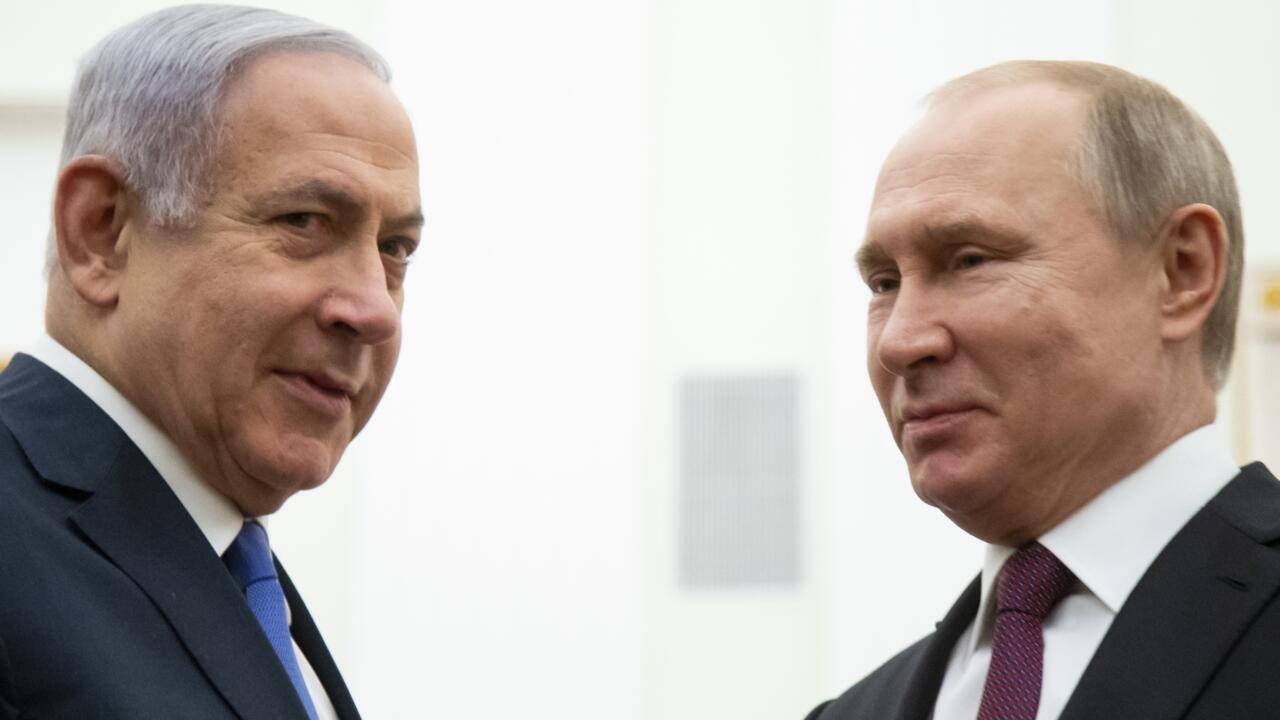
The Expanding Scope of International Justice: In Absentia Trials at the ICC
The concept of international justice is constantly evolving. Recent statements from the International Criminal Court (ICC) suggest a willingness to pursue trials against high-profile figures, even if they are unable or unwilling to appear in court. Specifically, the ICC is considering holding in absentia hearings – trials conducted without the physical presence of the accused – for individuals like Israeli Prime Minister Benjamin Netanyahu and Russian President Vladimir Putin. This growth marks a important shift in how the court approaches accountability for alleged war crimes and crimes against humanity,and raises complex legal and practical questions.
Understanding In Absentia Proceedings: A Ancient Context
Did You know? The practice of in absentia trials isn’t entirely new. historically, national courts have sometimes conducted trials for defendants who flee or refuse to participate. However, applying this to international criminal law, notably at the ICC, is a relatively recent and groundbreaking development.
The possibility of in absentia trials gained traction following the ICC’s recent experience with Joseph Kony, the leader of the Lord’s Resistance Army (LRA). In early 2024, the court held a “confirmation of charges” hearing for Kony in absentia. This unprecedented move, as highlighted by Deputy Prosecutor Mame Mandiaye Niang in a recent interview with AFP, demonstrated that such proceedings are “possible and useful,” despite being “cumbersome.”
This case served as a crucial test run, proving the logistical and legal feasibility of prosecuting individuals who remain at large or refuse to cooperate with the court. But what does this mean for future cases involving powerful world leaders?
The Legal Framework and Challenges of ICC Trials
The Rome Statute, the treaty that established the ICC, doesn’t explicitly prohibit in absentia trials.however, it emphasizes the right of the accused to be present and defend themselves. This creates a tension that the court must navigate.
Here’s a breakdown of the key considerations:
* Due Process: Ensuring a fair trial remains paramount.The ICC must demonstrate that the rights of the accused are adequately protected, even in their absence.
* Evidence Gathering: Obtaining reliable evidence can be more challenging when the accused cannot be directly questioned.
* Enforcement of Judgments: A conviction in absentia raises questions about how any potential sentence would be enforced, particularly against individuals holding significant power within their own countries.
* sovereignty Concerns: Some nations may view in absentia trials as an infringement on their sovereignty.
Pro Tip: The ICC relies heavily on cooperation from member states to gather evidence and enforce arrest warrants. A lack of cooperation can significantly hinder the court’s ability to conduct effective investigations and prosecutions.
Netanyahu,Putin,and the ICC: Potential Scenarios
The ICC is currently investigating alleged war crimes committed in both Israel and Ukraine. Allegations against Netanyahu relate to the conflict in Gaza, while those against Putin concern the ongoing war in Ukraine.
The prospect of holding trials for these leaders in absentia is fraught with political and practical difficulties.Both Israel and Russia do not recognise the ICC’s jurisdiction, making their cooperation unlikely.
However, the ICC’s willingness to consider this option sends a strong message: accountability for serious international crimes is possible, even for those in positions of power.
Here’s a quick comparison of the Kony case and potential cases involving netanyahu and Putin:
| Feature | Joseph Kony Case | Netanyahu/Putin Cases |
|---|---|---|
| Accused’s Status | Fugitive, actively evading capture | Sitting Heads of State, unlikely to voluntarily appear |
| State Cooperation | Limited cooperation from affected states | Non-recognition of ICC jurisdiction |
| Complexity of Allegations | Relatively focused on LRA atrocities
Keep reading |