The OSCE‘s Potential Role in a Future Ukraine Peace: Preparedness and Challenges
The Association for Security and Co-operation in Europe (OSCE) is actively preparing for potential involvement in monitoring a future ceasefire and supporting a lasting peace in Ukraine. Switzerland, set to chair the OSCE in 2026, is already laying the groundwork for a swift and effective response when – and if – a political agreement is reached.This proactive stance reflects a growing recognition of the OSCE’s unique capabilities in conflict resolution and its continued, albeit limited, relevance as a dialog channel with russia.
Rapid Deployment Capabilities:
The OSCE possesses a notable advantage: the ability to deploy personnel quickly. Several dozen observers can be mobilized within a short timeframe,offering immediate on-the-ground presence. This responsiveness is crucial in the initial stages of any peace process, allowing for rapid assessment and verification.
Specifically, the OSCE could potentially:
* observe and verify ceasefire agreements.
* Monitor the line of contact between forces.
* Provide impartial observation of future elections.
* Facilitate dialogue between conflicting parties.
The Scale of the Challenge:
However, significant hurdles remain. The current frontline stretches over 1,300 kilometers, presenting a considerable logistical and personnel challenge. The OSCE alone lacks the capacity to comprehensively monitor such an extensive area. Successful implementation would necessitate a substantial commitment of resources and personnel from participating states.
I believe a phased approach is the most realistic path forward. initially, a fact-finding mission could be deployed to Ukraine to assess the situation and inform subsequent steps. This diagnostic phase would allow the OSCE to tailor its response to the specific needs on the ground.
Maintaining Dialogue with Russia:
Despite Russia’s violation of fundamental OSCE principles with its invasion of Ukraine in February 2022, the country remains a member of the organization. this is a critical point. Russia has not withdrawn, nor has it been expelled, indicating the OSCE still holds value as a platform for dialogue – even if that dialogue is currently limited.
It’s my understanding that maintaining this channel, however narrow, is vital for future engagement. The OSCE must remain prepared to act as soon as an prospect arises, even while acknowledging the current constraints.
Current Obstacles and Ongoing Negotiations:
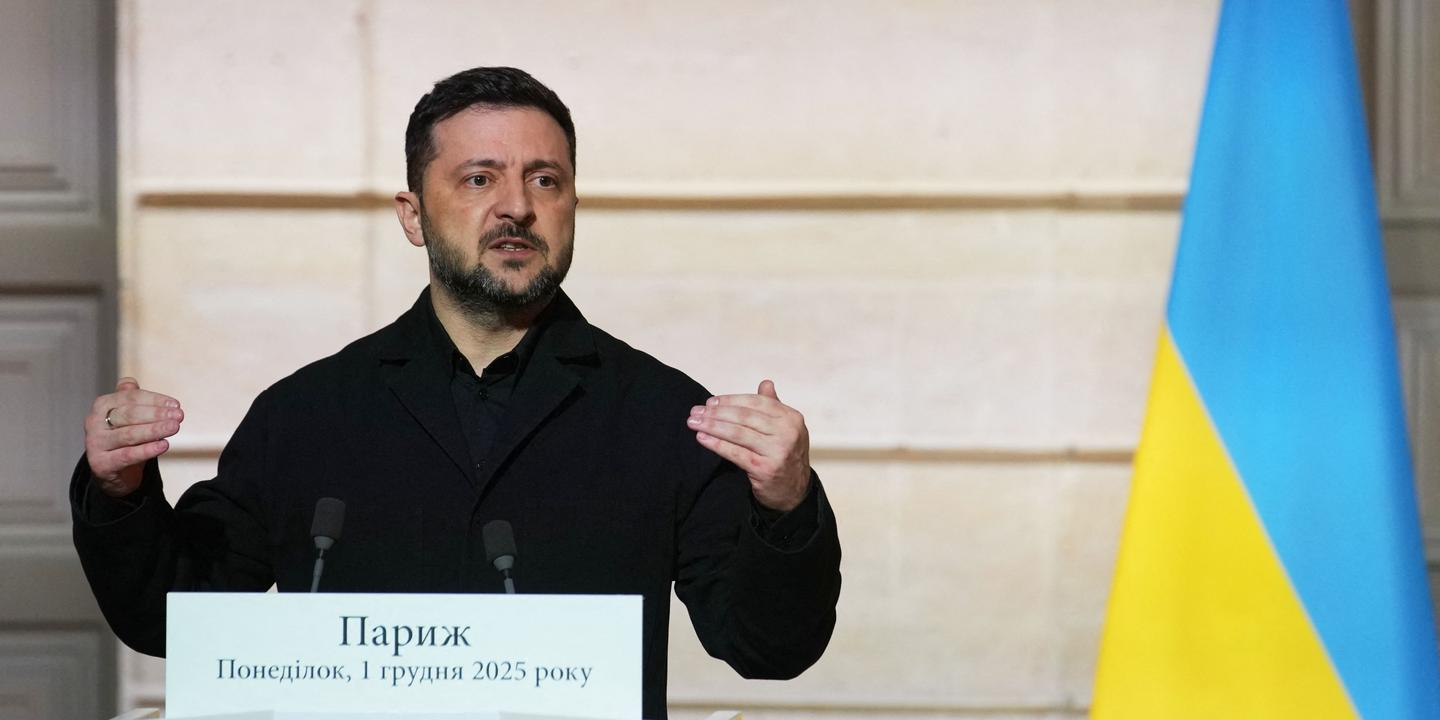
Recent diplomatic efforts, including three days of talks in Florida between Ukrainian and U.S.officials, have yet to yield substantial breakthroughs. Despite this,Ukrainian President Volodymyr Zelenskyy has reaffirmed his commitment to pursuing a “real peace.” Unfortunately, these efforts are unfolding against a backdrop of continued Russian drone and missile strikes on Ukraine.
Looking Ahead:
The path to peace in Ukraine remains complex and uncertain. However, the OSCE’s proactive planning, coupled with its unique capabilities and continued engagement with all parties, positions it as a potentially valuable contributor to a lasting resolution. You can expect the organization to remain vigilant, ready to deploy its resources and expertise when a genuine opportunity for peace emerges.
This is a dynamic situation, and I will continue to monitor developments closely. The OSCE’s role will ultimately depend on the political will of all involved,but its preparedness is a crucial first step.
Related reading
- $32M COVID-19 Fraud Fugitive Elaine Escoe Captured in Jamaica, Returned to US
- LG Twins vs. Kiwoom Heroes: KBO League Match Highlights
- Russian Missile Strikes Across Ukraine Kill 13 and Prompt Polish Jets (archyworldys.com)
- Russian Strikes Kill Dozens in Ukraine; Poland Scrambles Fighter Jets (world-today-news.com)