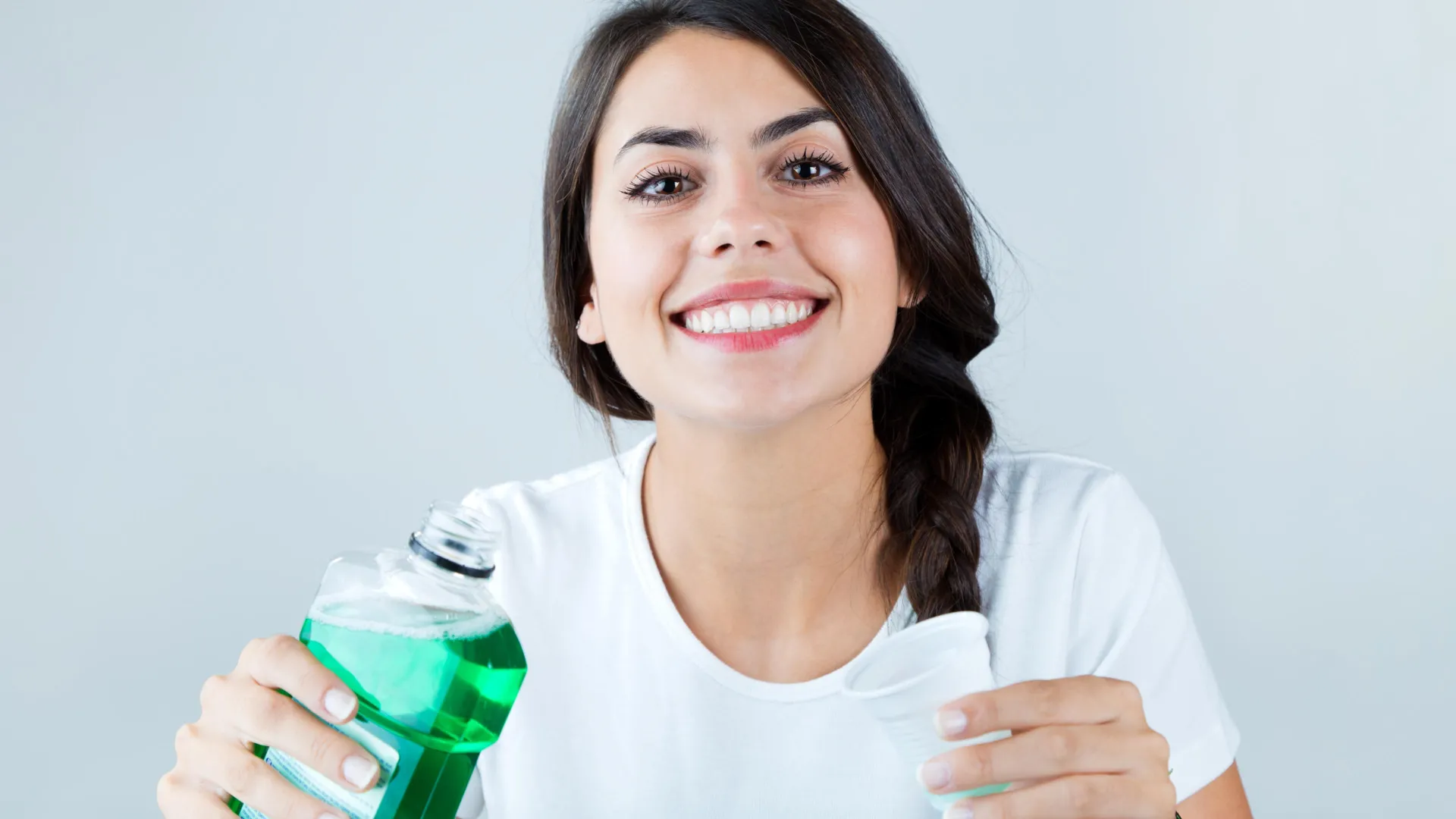
Garlic Mouthwash: A Promising,Though Not Yet Definitive,Option to Chlorhexidine
For decades,chlorhexidine has reigned as the gold standard antimicrobial mouthwash,a cornerstone in preventative and therapeutic oral care. however, growing patient demand for natural alternatives, coupled wiht concerns about long-term chlorhexidine use (including staining and altered taste perception), has fueled research into herbal options. A recent systematic review, meticulously conducted and adhering to rigorous methodological standards, suggests that garlic extract mouthwash may offer a viable, though not yet fully established, alternative.
A Rigorous Review of the Evidence
Our team, comprised of dental professionals and researchers specializing in antimicrobial therapies, has closely examined this review, published in early 2024. The authors employed the Preferred Reporting Items for Systematic Reviews and Meta-analyses (PRISMA) 2020 guidelines, ensuring openness and reliability. Thay utilized the PICO framework – a standard approach to formulating clinical research questions – to focus their investigation. The process was thorough: an initial search of six electronic databases yielded 389 articles, supplemented by 13 identified through manual citation searching. After stringent application of inclusion and exclusion criteria, a focused set of five randomized controlled trials and clinical studies were analyzed. This careful selection process is crucial for minimizing bias and ensuring the validity of the findings.
Comparable Antimicrobial Power, Concentration Matters
The review’s central finding is encouraging: higher concentrations of garlic extract mouthwash demonstrated antimicrobial performance comparable to chlorhexidine. This isn’t a blanket statement, though. Effectiveness was demonstrably linked to both the concentration of the garlic extract and the duration of application. Some studies showed chlorhexidine maintaining a more favorable plaque/salivary pH, while others indicated superior efficacy for garlic extract at specific concentrations.
This nuance is importent. Garlic’s active compound, allicin, is responsible for its potent antibacterial and antifungal properties – a fact recognized for centuries. However, allicin’s stability and bioavailability can vary, impacting its effectiveness. The review highlights the need for standardized formulations and delivery methods to optimize garlic extract’s antimicrobial potential.
Patient Experience: Balancing Benefits and Drawbacks
While the antimicrobial activity is promising, patient acceptability remains a key consideration. The review acknowledges that garlic mouthwash may cause greater discomfort then chlorhexidine, primarily manifesting as a burning sensation and, notably, an unpleasant odor. These side effects could influence patient compliance and willingness to switch from a familiar, albeit synthetically derived, solution.
Though, it’s critically important to note that the side effect profile of garlic extract is generally milder than that of chlorhexidine. Chlorhexidine is known to cause staining of teeth and alterations in taste, issues less frequently reported with garlic.This difference is important, notably for patients seeking long-term oral hygiene solutions.
The Global Rise of Garlic and Herbal Oral Care
The growing interest in garlic-based oral care isn’t happening in a vacuum. Globally,garlic consumption reached approximately 30 million metric tons in 2024,with China dominating both production and consumption (nearly 80%). The global garlic extract market is a multi-billion dollar industry (valued at over $15 billion in 2024), reflecting a broader trend towards natural health products. This accessibility – garlic extracts are widely available over-the-counter – contrasts with chlorhexidine, which typically requires a prescription.
Where do We Go From Here? Addressing the Gaps in Knowledge
Despite the encouraging findings, the authors rightly emphasize the need for further research. The current body of evidence, while growing, is limited by several factors:
* Small Sample sizes: Many studies involve relatively small participant groups, limiting the generalizability of the results.
* Varied Methodologies: Inconsistent study designs and methods make direct comparisons challenging.
* Predominantly In Vitro Studies: A significant portion of the research is conducted in laboratory settings (in vitro), which may not accurately reflect the complex surroundings of the oral cavity.
* Lack of Clinical Standardization: Standardized protocols for garlic extract formulation, concentration, and application are lacking.
To solidify garlic extract’s position as a legitimate alternative to chlorhexidine, larger, well-designed clinical trials with longer follow-up periods are essential. These trials shoudl focus on optimizing formulations,determining optimal concentrations,and evaluating long-term efficacy and safety. Further investigation into the impact of garlic extract on oral microbiome composition is also warranted.
Conclusion: A Promising Path Forward
This systematic review provides compelling evidence supporting the clinical antimicrobial activity of garlic extract. While not yet ready to replace chlorhexidine as the definitive first-line treatment,it offers a promising avenue for patients seeking natural alternatives. As a dental practice committed to evidence-based care, we will continue to monitor the evolving research landscape and provide our patients with the most informed
Keep reading