Car Cloning: How to Protect Yourself From This Growing Crime
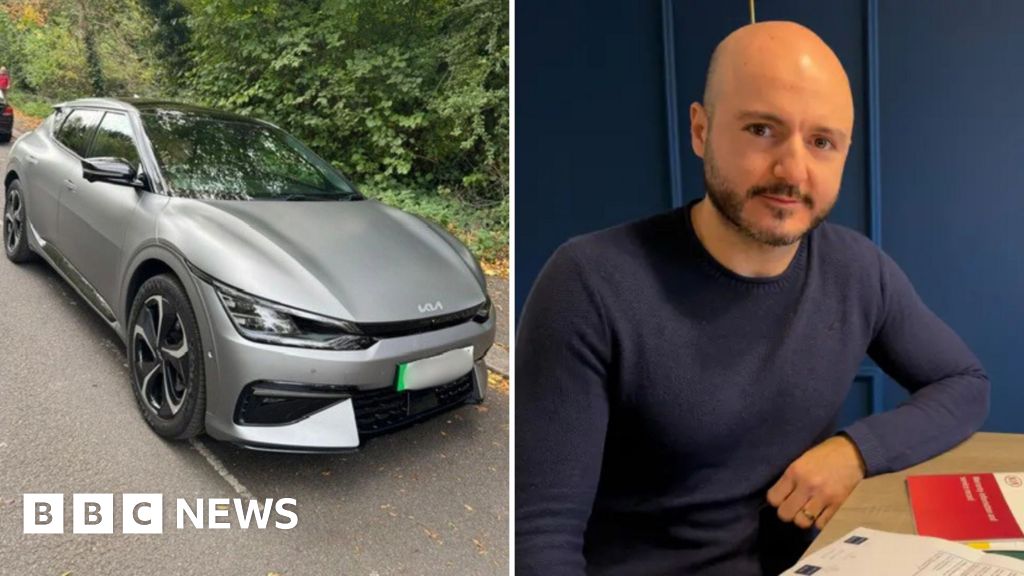
A seemingly legitimate car purchase can quickly turn into a financial nightmare. Recently, a man named Sevak Maljian learned this the hard way when his Kia EV6 was stolen just weeks after he bought it, revealing a refined car cloning operation. This incident highlights a growing threat to car buyers across the UK, and understanding how to protect yourself is crucial.
What is Car Cloning?
Car cloning involves criminals creating a duplicate identity for a vehicle, essentially giving it a “false passport.” They achieve this by swapping number plates, Vehicle Identification Numbers (VINs), and even logbooks to disguise stolen cars or sell them on as legitimate. This allows them to profit from the sale of stolen vehicles or use them for further criminal activity.
The case of the Stolen Kia EV6
Mr. Maljian purchased his Kia EV6 for £13,000 in October, securing a personal loan to finance the purchase. Despite taking what he believed were all the necesary precautions, his car was stolen, leaving him with a £236 monthly loan repayment for a vehicle he no longer owns. He expressed shock at the ease with which security measures were bypassed, questioning how multiple layers of protection could be circumvented.
This case underscores the increasing sophistication of car cloning techniques and the vulnerability of even diligent buyers. It’s a truly terrible situation, demonstrating how criminals are defeating car security systems with alarming ease.
Why is Car Cloning on the rise?
While official figures are difficult to obtain, experts believe car cloning is becoming increasingly widespread. Criminals are going to amazing lengths, exploiting vulnerabilities in vehicle security and documentation processes.The potential for profit, coupled with advancements in technology that facilitate cloning, are driving this trend.
How Can You Spot a Cloned Car?
Protecting yourself requires vigilance and a thorough approach to verifying a vehicle’s history. Here’s what you should do:
* Verify the Seller’s Identity: Ensure the seller’s name and address match the details on the V5C logbook.
* Check the Address on the V5C: Confirm the seller genuinely lives at the address listed on the vehicle’s registration document.
* Inspect All VINs: Locate and verify every VIN – not just the one on the dashboard. Check the chassis, engine block, and other locations. Discrepancies are a major red flag.
* Review the Logbook Carefully: Look for any signs of tampering or alterations to the V5C logbook.
* Consider a Vehicle History Check: Utilize reputable services to uncover any hidden history, including outstanding finance, accident damage, or previous cloning attempts.
* Buy From Reputable Dealers: Purchasing from established dealerships offers an added layer of security, as they are legally obligated to verify vehicle history.
* Be Wary of Bargain Prices: If a deal seems too good to be true, it likely is. Cloning often involves selling vehicles at considerably reduced prices.
What to Do If You Suspect Fraud
If you believe you’ve been a victim of car cloning or suspect fraudulent activity, immediate action is crucial.
* Contact the Police: Report the incident to your local police force instantly.
* Report Fraud: File a report through Report Fraud (formerly Action Fraud) – the national fraud and cybercrime reporting center.
* Notify Your Insurance Company: Inform your insurer about the situation.
* Contact the DVLA: Alert the Driver and Vehicle Licensing Agency (DVLA) to the potential cloning activity.
Official Guidance and Resources
The DVLA offers guidance on GOV.UK to help buyers reduce the risk of fraud. They emphasize the importance of checking VIN details and confirming the seller’s identity. Remember, taking the time to verify information can save you important financial and emotional distress.
Car cloning is a serious and evolving threat. By staying informed, exercising caution, and following these preventative measures, you can significantly reduce your risk of becoming a victim. Don’t let a fraudulent purchase steal your money and peace of mind.
Keep reading