Gut Microbe Metabolite TMA Offers Novel Approach to Combatting Insulin Resistance and Type 2 Diabetes
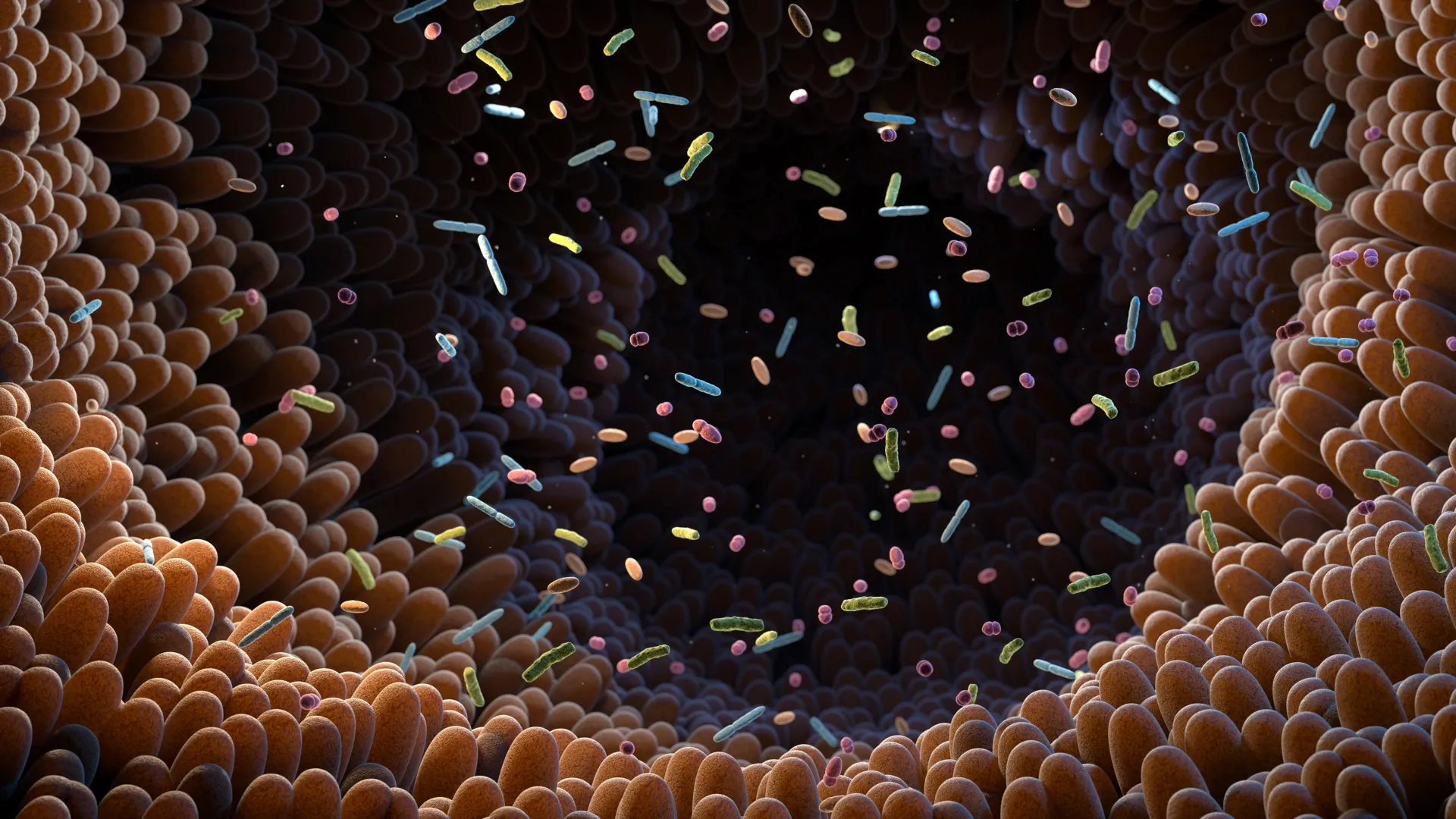
A groundbreaking international study has identified trimethylamine (TMA),a naturally occurring compound produced by gut bacteria,as a key player in regulating insulin sensitivity and potentially reversing the course of type 2 diabetes. The research, led by a collaborative team from Imperial College london & CNRS, university of Louvain (UCLouvain), University of Ottawa Heart Institute, and INSERM Paris, published in Nature Metabolism, reveals a surprising mechanism by which TMA interrupts a critical immune pathway, leading to improved blood sugar control. This discovery represents a significant paradigm shift in our understanding of the gut microbiome’s influence on metabolic health and opens exciting new avenues for therapeutic intervention.
The Long road to Understanding Gut-Immune Crosstalk
The roots of this discovery stretch back over two decades. Pioneering work by Professor Patrice Cani,beginning during his postdoctoral research,first demonstrated a link between high-fat diets,increased gut permeability,and systemic inflammation. His research showed that a “leaky gut” allows bacterial components to enter the bloodstream, triggering an immune response that directly contributes to insulin resistance – a hallmark of type 2 diabetes.
Initially met with skepticism in 2005, Professor Cani’s hypothesis has as become a cornerstone of metabolic research. This latest study builds directly upon that foundation, finally pinpointing a specific microbial metabolite – TMA – capable of counteracting the detrimental effects of this inflammatory cascade.
How TMA Disrupts the Cycle of inflammation and Insulin Resistance
The research team meticulously investigated the molecular mechanisms at play. They discovered that TMA interacts with IRAK4 (Interleukin-1 Receptor Associated Kinase 4), a crucial protein responsible for regulating immune activity.In the context of a high-fat diet, IRAK4 becomes overactivated, constantly signaling inflammation in response to perceived dietary imbalance. This chronic inflammation is a primary driver of insulin resistance,preventing cells from effectively utilizing glucose.
Through a combination of elegant techniques – including human cell cultures, animal models, and molecular screening – researchers demonstrated that TMA effectively binds to IRAK4, reducing its activity. This dampening effect lowers inflammation triggered by excessive fat intake and restores the body’s ability to respond to insulin. Remarkably, the study also revealed TMA’s protective effects against sepsis-related death in mice, suggesting a broader role in modulating overwhelming inflammatory responses.
IRAK4 as a Therapeutic Target: A Promising New Direction
The importance of this finding is further underscored by the fact that inhibiting or removing the IRAK4 gene produced similar beneficial effects to TMA administration. Crucially, IRAK4 is already a validated drug target, meaning pharmaceutical companies are actively developing therapies that modulate its activity. This positions TMA - or strategies to enhance its production – as a potentially powerful adjunct or alternative to existing diabetes treatments.
“This flips the narrative,” explains Professor Marc-Emmanuel Dumas of Imperial College London. “We’ve shown that a molecule from our gut microbes can actually protect against the harmful effects of a poor diet through a entirely new mechanism. It’s a new way of thinking about how the microbiome influences our health.”
Professor Cani adds, “This shows how nutrition and our gut microbes can work together by producing molecules that fight inflammation and improve metabolic health!”
Implications for Global Health and Future Research
With over 500 million people worldwide living with diabetes, the identification of TMA as a key microbial signal offers a beacon of hope. Strategies to increase TMA production – through targeted dietary interventions or pharmaceutical approaches – could represent a significant step towards reducing insulin resistance and improving long-term health outcomes for millions.
“What we eat shapes our microbes, and some of their molecules can protect us from diabetes. That’s nutrition in action!” emphasizes Professor Cani.
Future research will focus on identifying specific dietary components that promote TMA production, as choline – a precursor to TMA – is found in foods like eggs, liver, and certain vegetables. Further investigation is also needed to determine the optimal dosage and delivery methods for TMA-based therapies.
A Collaborative Effort Driving Scientific Advancement
This landmark study was the result of a truly international collaboration, bringing together expertise from Belgium, Canada, Australia, France, Italy, and Spain. The research was generously supported by a network of European (ERC,FEDER) and national (MRC,Wellcome trust,ANR,FNRS,EOS,welri,ARC) funding bodies,demonstrating the widespread recognition of the importance of this research area.
Disclaimer: This article provides information for educational purposes only and should not be considered medical advice. Consult with a qualified healthcare professional for any health concerns or before making any decisions related to your health or treatment.
Key Takeaways:
* **TMA,a gut microbe metabolite
Worth a look