Online Threats to Homeland Security: A Deep Dive into the Roman-Flores Case & Escalating Digital Extremism
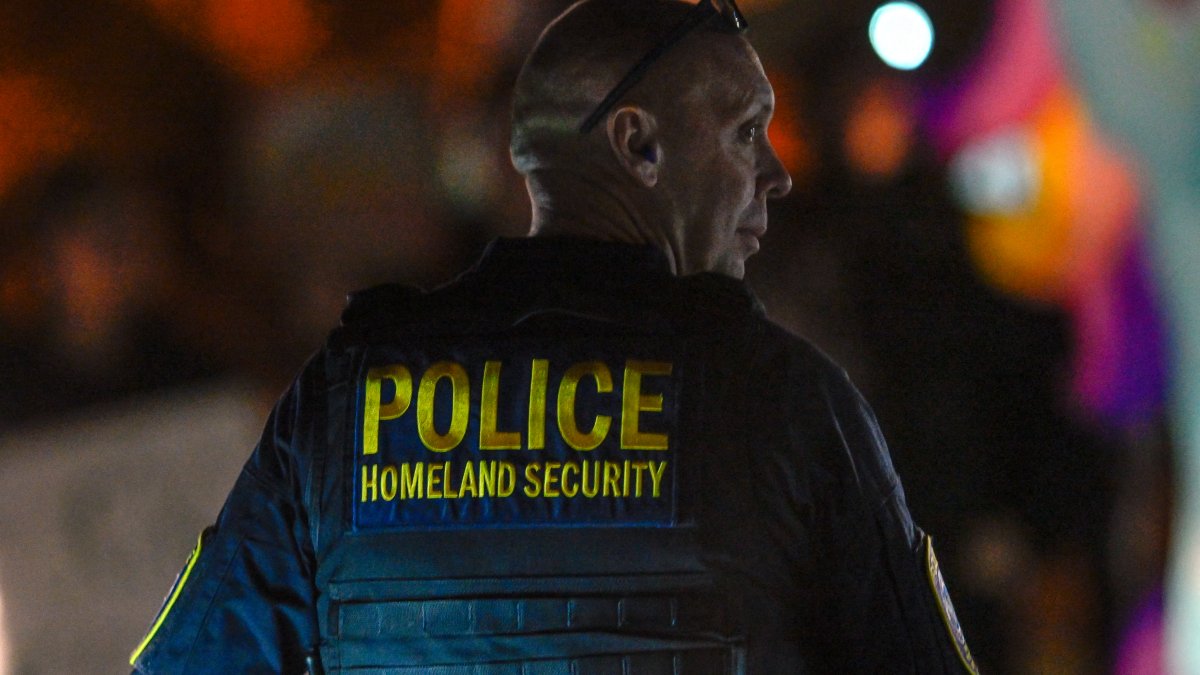
The digital landscape is increasingly becoming a breeding ground for extremist rhetoric and direct threats against government officials and agencies. On december 9, 2025, the Department of Homeland Security (DHS) announced the arrest of two New Jersey brothers, Ricardo Antonio Roman-Flores and Emilio Roman-Flores, for allegedly making violent online threats targeting DHS and its personnel. This incident underscores a growing concern: the rapid escalation of digital extremism and the challenges law enforcement faces in mitigating real-world harm stemming from online activity. This article provides a comprehensive analysis of the case, the legal ramifications, the broader context of online threats, and preventative measures.
The Roman-Flores Case: Details and Charges
Ricardo Antonio Roman-Flores and his twin brother, Emilio Roman-Flores, were apprehended on December 9, 2025, following an inquiry into online posts deemed threatening by DHS officials. The core of the allegations centers around statements where the brothers purportedly threatened to “shoot ICE on sight,” referencing U.S. Immigration and Customs Enforcement, a component of DHS. Furthermore,the threats extended to specifically target DHS Assistant Secretary Tricia McLaughlin.
The arrests were carried out by a joint operation involving DHS investigators and the Absecon Police Department SWAT Team. Emilio Roman-flores faces a more extensive list of charges, including unlawful possession of an assault weapon, possession of prohibited weapons, conspiracy to commit terroristic threats, criminal coercion, threats, and cyber harassment. Ricardo Roman-Flores is charged with conspiracy to commit terroristic threats.
As of December 10, 2025, contact facts for legal representation for the Roman-Flores brothers remains unavailable. the case is currently under investigation, and further details are expected to emerge as the legal proceedings unfold.
The Legal Landscape of Online threats & Digital Extremism
The prosecution of online threats is a complex legal area, balancing First Amendment rights with the need to protect public safety. Simply expressing unpopular or offensive opinions is not illegal. Though, true threats – statements where a reasonable person would foreseeably interpret them as a serious expression of intent to commit unlawful violence – are not protected speech.
The legal standard for establishing a true threat requires demonstrating intent and a reasonable likelihood that the threat will be carried out. This often involves analyzing the context of the statements, the credibility of the source, and any evidence of planning or planning.
| Feature | Online Threat | Protected Speech |
|---|---|---|
| Intent | Clear expression of intent to commit violence. | Expression of opinion, even if strong or offensive. |
| Specificity | Targets specific individuals or locations. | General grievances or abstract ideas. |
| Context | Statements made in a threatening manner, with evidence of planning. | Statements made in a satirical, hyperbolic, or artistic context. |
the charges against Emilio Roman-Flores, especially those related to weapons possession, add another layer of complexity.The unlawful possession of an assault weapon,coupled with the alleged threats,strengthens the prosecution’s case by demonstrating a potential means to carry out the violence.
The Rise of Digital Extremism: Trends and Contributing Factors
The Roman-Flores case is not an isolated incident. It’s symptomatic of a broader trend: the increasing radicalization and mobilization of individuals online. Several factors
- Kiko Rivera Shuts Down Social Media to Recover After Second Stroke
- Palantir Stock Surges After Beating Earnings Expectations and Boosting Revenue
- Aaron F. Farinacci Arrested for Arson in Destructive Old Trails Fire (time.news)
- Microsoft Links CaptiveCrunch to Russian Threat Actor Midnight Blizzard (newsdirectory3.com)