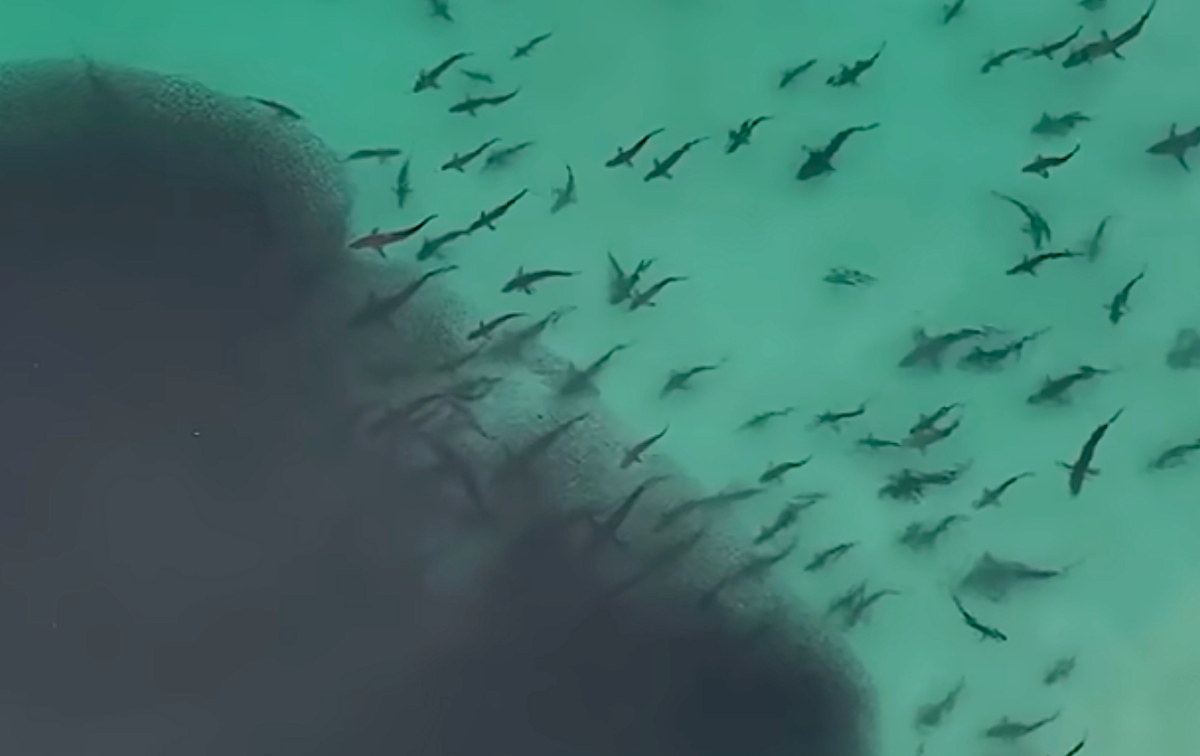
Unprecedented Shark Activity in Australian Waters: Understanding the Recent Surge
Recent weeks have seen a dramatic increase in shark sightings along the Australian coastline, sparking concern adn prompting questions about the reasons behind this surge.From mass gatherings to close encounters with surfers, the events have captured public attention and raised awareness of shark behavior. But is this a genuine increase in shark activity, or a case of heightened perception? This article delves into the recent incidents, explores potential causes, and outlines what you need to know to stay informed and safe.
The Phenomenon of Increased Sightings
Reports of sharks in shallow waters, frequently enough feeding on large schools of fish, have become increasingly common. Several notable incidents have been documented:
* Moreton Island: Drone footage revealed an remarkable spectacle – an estimated 500 sharks congregating within a one-kilometer stretch of coastline, feeding on sardines.Remarkably, a surfer was present during this event, escaping unharmed.
* Byron Bay Shire: Similar swarms,though smaller in number (dozens of sharks),were observed preying on bait balls in shallow waters.
* Snapper Rocks: A feeding frenzy unfolded alarmingly close to shore,with sharks aggressively pursuing prey near a popular surf break. One observer likened the scene to “Snakes on a Plane,” emphasizing the unusual proximity of the sharks.
These events have fueled discussion about a potential pattern, leading some to wonder if there’s more at play than random occurrences.
Is It Real,or the Baader-Meinhof Phenomenon?
The feeling that shark sightings are “really high” might be influenced by a cognitive bias known as the Frequency Illusion,also called the baader-Meinhof phenomenon or Red Car Syndrome. This occurs when you notice something new – in this case, shark sightings – and then begin to see it everywhere.
Essentially,your brain selectively focuses on new information,making you more aware of its presence even though it was always there. While this bias can amplify perception, the recent incidents are demonstrably real and warrant examination.
Underlying Causes: Why the Surge?
Several factors likely contribute to the increased shark activity:
* Seasonal Baitfish Migration: Large schools of fish, like sardines, migrate along the Australian coast, attracting sharks seeking an easy meal. This is a natural phenomenon, but the size and concentration of these bait balls can be remarkable in certain years.
* Favorable Water Conditions: warmer water temperatures and strong currents can concentrate baitfish, further attracting sharks.
* Improved Reporting & Technology: Increased use of drones and social media allows for more frequent and widespread reporting of shark sightings. This doesn’t necessarily mean there are more sharks, but that we’re seeing more of them.
* Ecosystem Changes: Long-term shifts in ocean ecosystems, possibly linked to climate change, could be influencing shark distribution and behavior. This is an area of ongoing research.
Recent Tragic Events & Increased Safety Measures
The heightened shark activity follows several tragic incidents, including the fatal attack on surfer Mercury Psillakas at Dee Why Beach in Sydney. This event,and others,have understandably heightened public concern.
In response, local governments are investing in enhanced preventative measures, including:
* Increased Drone Surveillance: Expanding drone patrols to monitor coastlines and provide early warnings of shark presence.
* Shark Tagging Programs: Tracking shark movements to better understand their behavior and identify high-risk areas.
* smart drumlines: Deploying non-lethal drumlines that alert authorities when a shark is detected, allowing for relocation.
* Public Awareness Campaigns: Educating the public about shark safety and responsible behavior in the water.
Staying Safe: What You Need to Know
While shark attacks remain rare,it’s crucial to be aware of the risks and take precautions:
* Swim at Patrolled Beaches: Always choose beaches with lifeguard supervision.
* Heed Warnings: Pay attention to any shark warnings or beach closures.
* Avoid Dawn & Dusk: Sharks are most active during low-light conditions.
* Don’t Swim Alone: Swim with a buddy.
* Avoid Areas with Baitfish: Steer clear of areas where schools of fish are visible, as these attract sharks.
* Be Aware of Your Surroundings: Scan the water regularly and
Keep reading