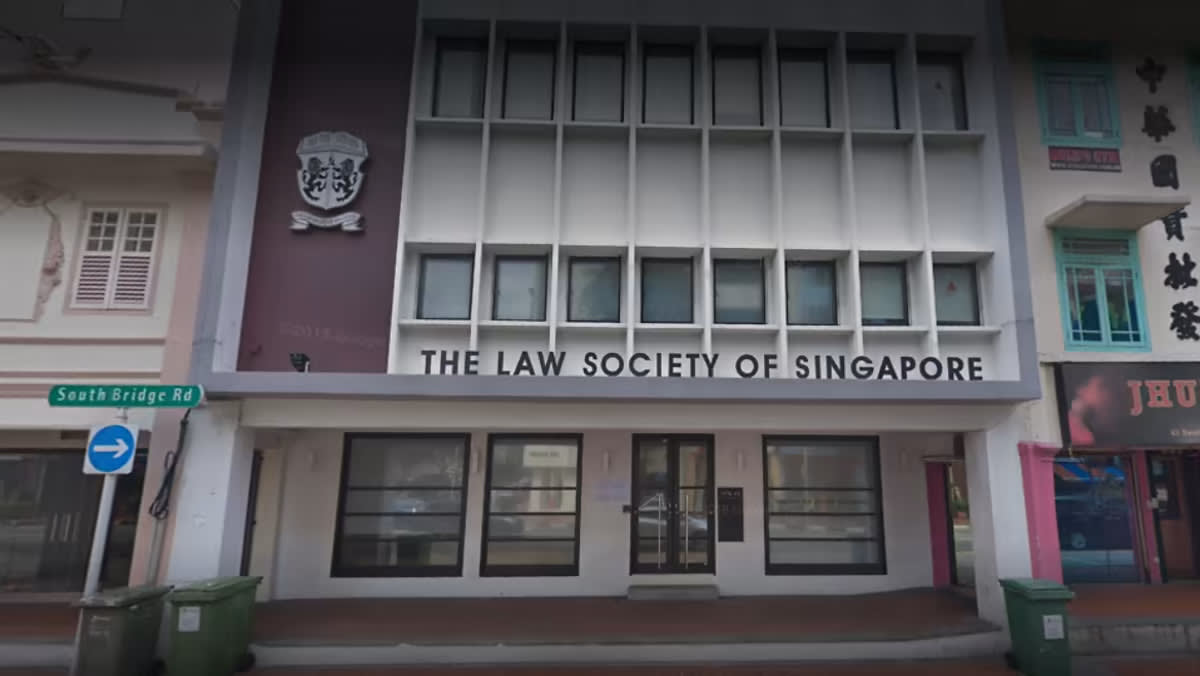
Controversy Erupts Within Singapore Law Society Over Presidential Appointment: A Deep Dive
The Singapore Law Society (LawSoc) is facing internal discord following the recent election of Mr. Thio Shen Yi as President-Elect for 2026. This appointment,a first in LawSoc’s history,has ignited a debate concerning the independence of the legal profession and the role of ministerial appointees within the organization.This article provides a comprehensive analysis of the situation, outlining the key events, legal framework, and concerns raised by members of the legal community.
The Unprecedented Appointment & Immediate Backlash
Mr.Thio Shen Yi, co-head of Allen & Gledhill’s international arbitration practice and Chairman of Pro Bono SG, secured the presidency after a closely contested election against incumbent Vice President Samuel Chacko on November 1, 2025.Though, what distinguishes this election is that Mr. Thio is the first President-Elect to be a statutory member appointed directly by the minister for Law.
This appointment immediately triggered a requisition notice circulated amongst lawyers, calling for an Extraordinary General Meeting (EGM) to discuss the implications for the independence of the Bar. The core question raised: should the President of LawSoc be an elected member of the Council, rather than an appointee of the Minister? Signatories to the requisition notice included prominent legal figures such as Mr. Low Seow Yong,Managing Director at Peter Low Chambers,and Mr. Chandra mohan, a partner at Tan Rajah & cheah and former Nominated Member of Parliament.
Legal Framework & LawSoc’s Response
The Legal Profession Act governs LawSoc, outlining the procedures for general meetings and the powers of the Council. Under Section 68 of the Act, 25 members can requisition an EGM, requiring the Council to convene the meeting within 14 days, and the meeting itself to be held within 30 days.
LawSoc initially confirmed receipt of the requisition notice on november 25th,stating the Council was reviewing it. However, the Council subsequently resolved not to convene an EGM. This decision prompted the requisitioning members to independently initiate their own notice to convene a meeting, exercising their rights under the Act to do so within two months of the initial submission.
LawSoc maintains that the Act does not explicitly prohibit a statutory member from holding the office of President. In a statement, LawSoc emphasized that there are no specific qualifications required for the role beyond not being disqualified from holding office. They also pointed out that ministerial appointees have previously held other office bearer positions,such as vice President and Treasurer.
Ministry of Law Weighs In
The Ministry of Law (MinLaw) acknowledged the ongoing discussions, confirming its awareness of the concerns raised. A MinLaw spokesperson clarified that statutory members, while appointed by the Minister, are considered full members of the LawSoc Council and are expected to act in the best interests of the Society and the legal profession – not as representatives of the Ministry. The Ministry reiterated that the election of office bearers is “solely within the purview of the Law Society council.”
The Core of the Debate: Independence & Portrayal
The controversy centers on the perception that a ministerial appointee as President could compromise the Law Society’s independence. Critics argue that the President should be directly accountable to the membership, representing their interests without potential influence from the executive branch.The concern isn’t necessarily about Mr. Thio’s individual integrity, but rather the principle of ensuring the Law Society remains a truly independent voice for the legal profession.
The appointment raises questions about the balance of power within LawSoc. While statutory members are intended to bring diverse perspectives and expertise to the Council, the appointment of one to the highest office raises concerns about potential alignment with government policy, possibly at the expense of advocating for the profession’s independent interests.
LawSoc’s Attempt at Dialog & Future Outlook
In an attempt to address the growing unease, lawsoc announced a tea session on December 10th to “address any queries or concerns of members” regarding the transition of the Council-elect and their plans for 2026. However, this move is viewed by some as a reactive measure, falling short of a full and transparent discussion of the underlying issues.
The outcome of the independently convened EGM, if successfully held, will be crucial. It will provide a platform for members to voice their concerns and potentially lead to amendments to the Legal Profession Act or LawSoc’s constitution to clarify the requirements for presidential eligibility.
Expert Analysis & Implications
This situation highlights a fundamental tension within LawSoc: balancing its
Keep reading