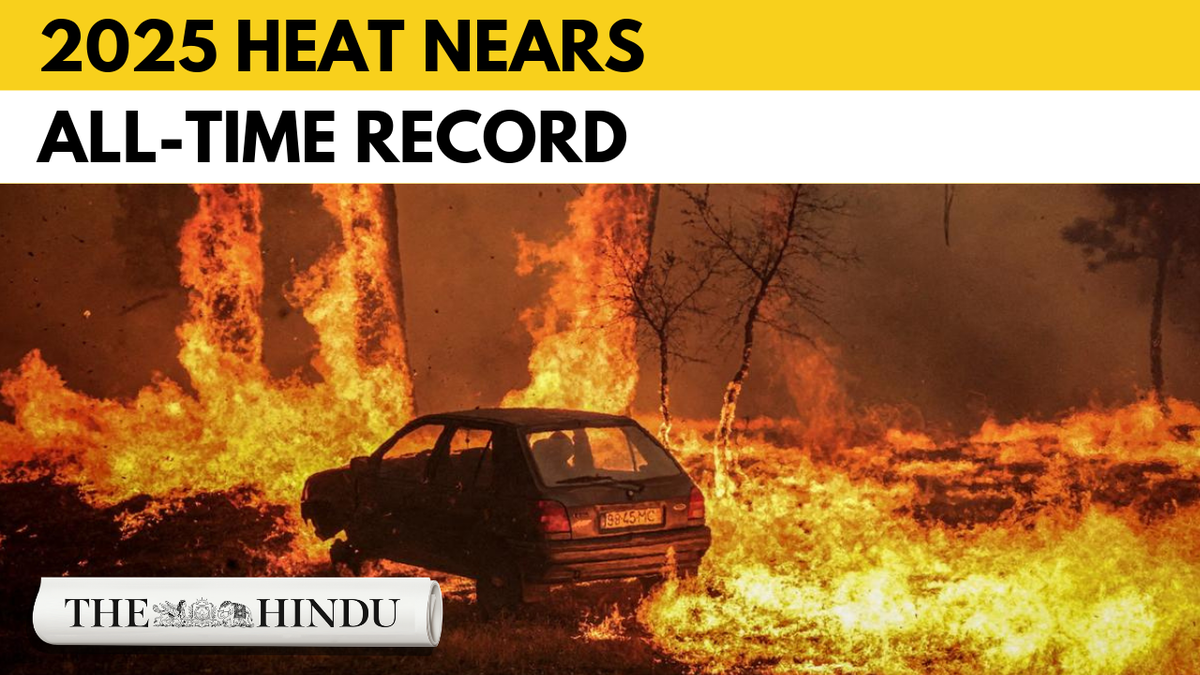
## Navigating the Climate Crisis: A Critical Juncture in 2025
The Earth has demonstrably exceeded the 1.5°C warming threshold above pre-industrial levels for three years running, a development scientists are characterizing as a pivotal moment in the escalating climate crisis. As of December 10, 2025, the intensification of extreme weather events – including devastating typhoons impacting the Philippines and unprecedented wildfires ravaging Spain – underscores the urgent need for more effective global action. While international commitments have been made,current climate policies are,unfortunately,insufficient to steer the world away from significantly more perilous warming scenarios. This article delves into the current state of the climate, analyzes the implications of exceeding the 1.5°C threshold, and explores potential pathways toward a more lasting future.
### The 1.5°C Threshold: Why It Matters
The 1.5°C target, enshrined in the Paris Agreement, isn’t an arbitrary number. It represents a critical limit beyond which the risks of severe and irreversible climate impacts dramatically increase. Exceeding this threshold doesn’t mean climate change suddenly *begins*; rather,it signifies a shift into a zone of heightened danger.
“every increment of warming will intensify multiple and concurrent hazards.” – Intergovernmental Panel on Climate Change (IPCC), Sixth Assessment Report (2021)
This assessment, while from 2021, remains profoundly relevant. The consequences of surpassing 1.5°C include more frequent and intense heatwaves, increased droughts and floods, sea level rise threatening coastal communities, and disruptions to ecosystems and food production. Recent data from the Copernicus Climate Change Service confirms these trends,showing a 30% increase in extreme weather events globally compared to the 1981-2010 average. The Philippines, such as, experienced Typhoon Rai (Odette) in December 2021, which caused widespread devastation, and continues to face increasingly powerful storms. Similarly, Spain’s summer of 2025 saw its largest wildfires in decades, fueled by record-breaking temperatures and prolonged drought.
### Current Climate Policies: A Gap Between Pledge and Practice
Despite widespread recognition of the urgency, the gap between stated climate ambitions and actual policies remains considerable. The UN habitat Programme’s (UNEP) 2025 Emissions Gap Report reveals that current Nationally Determined Contributions (NDCs) – the pledges made by countries under the Paris Agreement – fall far short of what’s needed to limit warming to 1.5°C or even 2°C.
The report highlights a critically important shortfall in emissions reductions, with projected global emissions in 2030 still exceeding 2010 levels. This discrepancy is largely due to insufficient implementation of policies, continued reliance on fossil fuels, and a lack of adequate financial support for developing nations to transition to cleaner energy sources. A recent analysis by Climate Action Tracker indicates that, with current policies, the world is on track for approximately 2.9°C of warming by the end of the century. this level of warming would have catastrophic consequences, including widespread displacement, food shortages, and irreversible damage to ecosystems.
The situation demands a fundamental shift in approach. We need to move beyond incremental changes and embrace transformative policies that accelerate the transition to a low-carbon economy. This includes phasing out fossil fuel subsidies, investing heavily in renewable energy infrastructure, promoting energy efficiency, and implementing carbon pricing mechanisms.
| Climate Target | Projected Warming (with current policies) | Required Emissions Reduction (compared to 2010 levels) |
|---|---|---|
| 1.5°
|