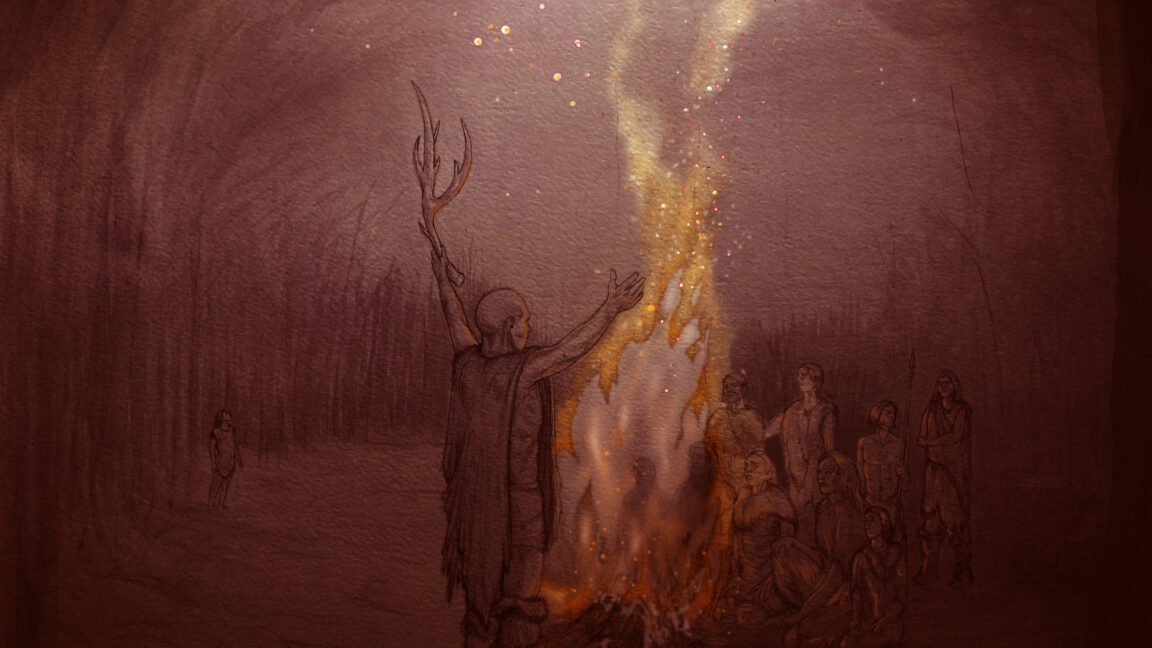
Neanderthal Fire-Making: New Evidence Rewrites Human History
For decades, the ability too control fire has been considered a defining characteristic of the Homo genus, a pivotal step in our evolutionary journey. Recent archaeological discoveries at Barnham, Suffolk, in the UK, are now challenging long-held assumptions about who first mastered this crucial technology. Evidence suggests Neanderthals, not early Homo sapiens, were consistently creating and maintaining fire as early as 400,000 years ago.
The Barnham Revelation: A Hearth Unlike Any Other
Scientists have unearthed compelling evidence at the Barnham site indicating Neanderthals weren’t simply using fire sparked by natural events, but actively making it. This isn’t just about finding charcoal; its about the meticulous details revealing intentional fire-starting practices.
Here’s what sets this discovery apart:
* Absence of Widespread Wildfire Evidence: The surrounding sediment lacks the extensive charcoal and ash deposits typically left by large wildfires.
* Specific Chemical signatures: Heavy hydrocarbon molecules found in the sediment around the hearth point to a contained, “homemade” fire, unlike the scattered patterns of a wildfire.
* The Crucial Role of Pyrite: Fragments of pyrite, a mineral not native to the immediate area, were discovered. Neanderthals would have traveled at least 12 kilometers to obtain it.
Pyrite and Flint: An Ancient Fire-Starting Kit
You might wonder why pyrite is so important.It’s believed to have been used in conjunction with flint to create sparks – a primitive, yet effective, method of ignition. Imagine Neanderthals deliberately seeking out this mineral, understanding its potential for creating fire.
this isn’t simply collecting shiny rocks; it’s demonstrating foresight, planning, and a elegant understanding of materials. The presence of pyrite strongly suggests intentional fire-making, rather than opportunistic use of natural flames.
Recreating the Past: Experimental Archaeology
To understand the fire-making process, researchers conducted their own experiments.They built fires on clay sourced from near the Barnham site, carefully controlling temperature and duration.
The results were striking. The baked clay from the experimental fires closely matched the clay found in the ancient Neanderthal hearth, exhibiting similar grain size and chemical composition.Specifically, the ancient hearth showed evidence of “12 or more heating events, each lasting 4 hours at temperatures of 400º Celsius or 600º Celsius.”
This indicates a sustained, repeated use of the hearth over time.
A Glimpse into Neanderthal Daily Life
The Barnham hearth offers a fascinating window into the daily routines of Neanderthals. It suggests they:
* Maintained a Central Hearth: They consistently used the same location for their campfire, indicating a sense of place and routine.
* Engaged in Long-Duration Fires: Fires were left burning for hours, providing warmth, light, and a focal point for social activity.
* Combined Fire with Toolmaking: Nearby flint flakes suggest Neanderthals were knapping stone tools while gathered around the fire, perhaps sharing stories and knowledge.
This wasn’t just about survival; it was about community,innovation,and the rhythms of daily life.
Implications for Human evolution
While it’s certainly possible that Homo sapiens in Africa also possessed fire-making capabilities at this time,current evidence doesn’t definitively prove it. The Barnham discovery pushes back the timeline for controlled fire use, firmly establishing Neanderthals as pioneers in this critical technology.
This finding compels us to re-evaluate our understanding of Neanderthal intelligence, adaptability, and cultural complexity. It’s a powerful reminder that our evolutionary story is far more nuanced and interconnected than we once believed.
source: Nature, 2025 DOI: 10.1038/s41586-025-09855-6 ([https://dx.doi.org/10.1038/s41586-025-09855-6](https://dx.doi.org/10.1038
- The Rise of Agentic AI: How Replit, Kilo Code, and Symbotic are Automating Software Engineering
- Gears of War: E-Day Beta Date, Multiplayer Details, and DLSS Support revealed
- Titan: The Safe But Freezing Moon Where Humans Could Actually Fly (time.news)
- Aaron Carter’s Dentist to Present Evidence in Wrongful Death Lawsuit (archynewsy.com)