The Unfolding Crisis in Gaza: Beyond the Headlines with PalCast’s “if I Start to Grieve I Might Never Stop”
The situation in Gaza remains a deeply urgent humanitarian crisis, often reduced to statistics and political maneuvering. But what does it feel like to live under constant bombardment, displacement, and the erosion of basic human needs? PalCast’s recent episode, “If I Start to Grieve I might Never Stop,” featuring translator Maryam Elwaheidy from Gaza City, offers a vital, ground-level outlook, moving beyond headlines to reveal the daily realities of survival. This episode isn’t just a podcast; its a testament to resilience and a stark indictment of the ongoing challenges facing Palestinians. Understanding the complexities of the Gaza conflict requires listening to voices like Maryam’s, and critically examining the narratives surrounding ceasefire agreements and international interventions.
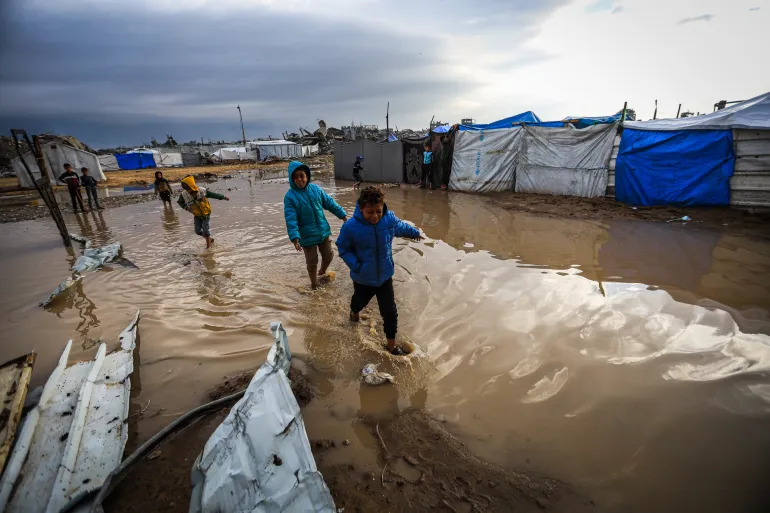
Did You Know? According to a recent report by the UNRWA (United Nations Relief and Works agency for Palestine Refugees in the Near East), as of December 2023, over 1.9 million people in Gaza – roughly 85% of the population – were internally displaced.This displacement is exacerbated by increasingly harsh winter conditions, including flooding of temporary shelters.
The Illusion of “Normal” After Ceasefire
The discussion on PalCast skillfully dismantles the risky notion that a ceasefire equates to a return to normalcy for Gazans.Hosts Yousef and Tony rightly point out that the current crisis didn’t begin with the recent escalation of violence. They highlight a pattern of sustained Israeli actions over the past two years – demolition of homes, forced displacement, and the systemic denial of essential resources – that have created a climate of perpetual instability. This context is crucial.The international community’s eagerness to “move on” ignores the lived experience of Palestinians who continue to face relentless attacks on their land and livelihoods.
Pro Tip: To stay informed about the situation in Gaza beyond mainstream media, follow reputable organizations like B’Tselem (an Israeli human rights organization documenting human rights violations in the Occupied Territories – https://www.btselem.org/) and Al-Haq (a Palestinian human rights organization – https://www.alhaq.org/). Cross-referencing information from multiple sources is vital for a nuanced understanding.
the episode also dissects a recent UN Security Council resolution proposing a transitional council and international peacekeeping force. While seemingly a step towards stability, the hosts raise critical questions about the composition and authority of this council, noting its lack of Palestinian depiction and the vagueness of its terms. This raises concerns about whether such a force would genuinely address the root causes of the conflict or simply perpetuate existing power imbalances. Together, reports continue to emerge of widespread home demolitions and forced displacement after the ceasefire, with over a thousand properties reportedly destroyed. This underscores the urgent need for accountability and a genuine commitment to protecting Palestinian rights.Are international resolutions truly effective when they fail to address the ongoing realities on the ground?
The human Cost: maryam Elwaheidy’s Testimony
The most powerful aspect of the PalCast episode is undoubtedly Maryam Elwaheidy’s personal account. Her story transcends statistics, offering a visceral understanding of the trauma and hardship endured by Gazans. She vividly describes the cycle of repeated evacuation, the precariousness of life in overcrowded camps, and the constant fear of explosions. Her words paint a harrowing picture of hunger, contaminated water, ruined schools, and the desperate struggle to provide education for children amidst the chaos.
Question for Reflection: How does hearing a personal story like Maryam’s change your perception of the Gaza conflict compared to simply reading news reports?
Maryam’s poignant observation that “grief felt endless because the losses never stopped” encapsulates the profound psychological toll of the ongoing crisis. This isn’t simply a political conflict; it’s a humanitarian catastrophe with lasting consequences for generations. The episode highlights the importance of mental health support for those affected by trauma, a critical need often overlooked in conflict zones. Considering the long-term psychological impact, what role should international aid organizations play in providing mental health services in gaza?
You can listen to the full episode on <
Keep reading