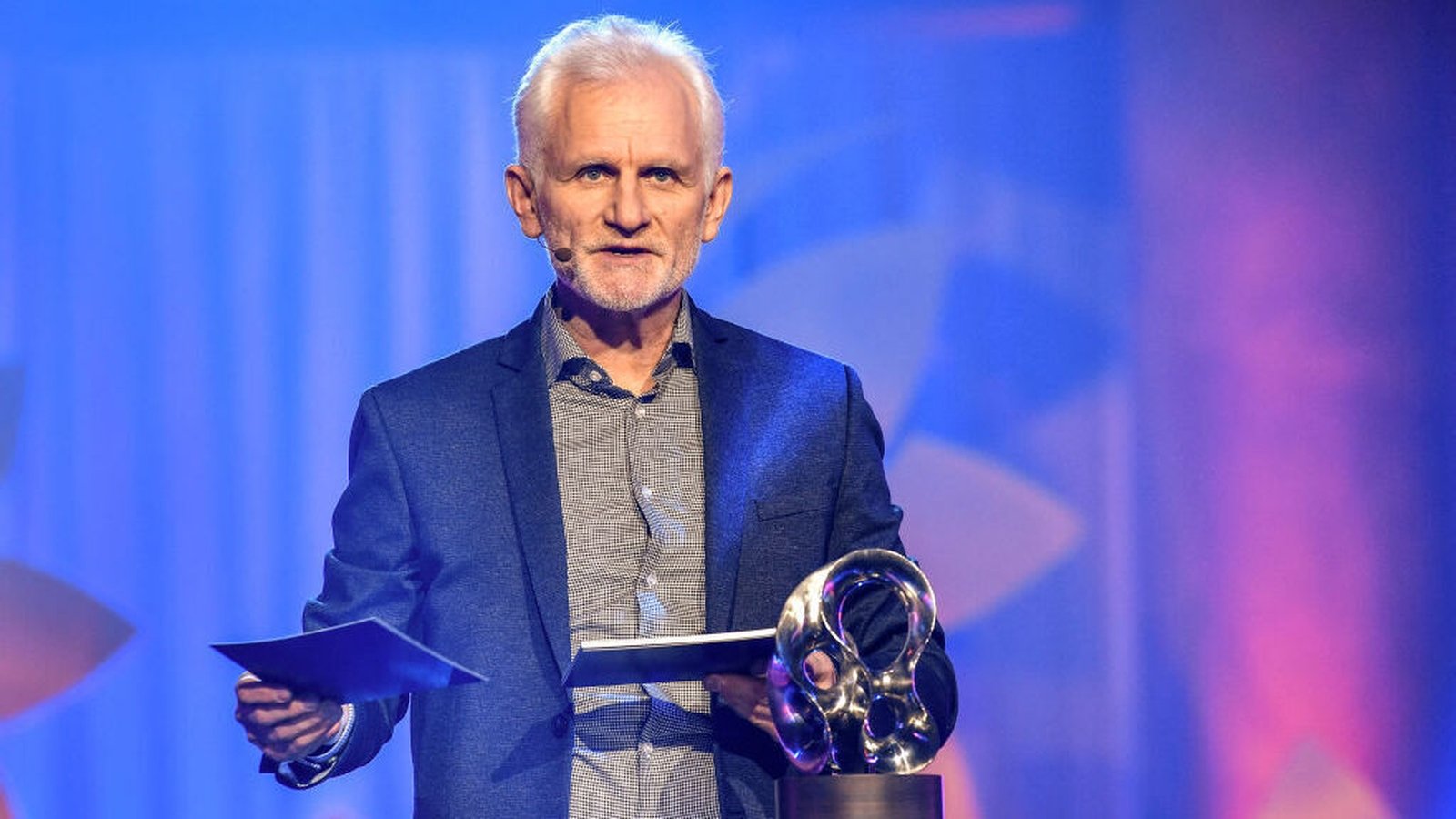
Belarus Releases Political Prisoners in Landmark Deal, US Lifts Potash Sanctions
In a surprising turn of events, Belarusian President Alexander Lukashenko has ordered the release of 123 prisoners, including prominent human rights activist and Nobel Peace Prize laureate Ales Bialiatski, and key opposition figure Maria Kalesnikava. This significant development follows two days of negotiations facilitated by an envoy representing former US President donald Trump, signaling a potential shift in the geopolitical landscape of Eastern Europe. In exchange for the prisoner release, the united states has agreed to lift sanctions imposed on Belarusian potash, a critical component in fertilizer production where Belarus holds a leading global position.
The release represents the largest such act of clemency by Lukashenko as discussions began earlier this year between his management and representatives of the Trump administration. Western nations have largely ostracized Lukashenko due to his authoritarian rule, suppression of dissent, and unwavering support for Russia’s invasion of Ukraine. This deal, therefore, marks a notable departure from established diplomatic norms.
A Wave of Freedom: Who Was Released?
Beyond Bialiatski and Kalesnikava, the released prisoners include Viktar Babaryka, a potential presidential candidate arrested in 2020 prior to the contested election. The scope of the release extends beyond Belarusian nationals, with Ukrainian President Volodymyr Zelensky confirming the freedom of five Ukrainian citizens held in Belarusian prisons. Zelensky expressed gratitude to the United States for its instrumental role in securing their release, highlighting the collaborative effort between intelligence services.
“Thanks to the active role of the United States and the cooperation of our intelligence services,about a hundred people,including five Ukrainians,are now being released,” Zelensky stated via Telegram. He further emphasized the ongoing support for Ukraine, stating, “We are assisting our American partners to ensure that Ukraine receives the appropriate assistance.”
Ales Bialiatski, a tireless advocate for political prisoners in Belarus for decades, was himself imprisoned in July 2021. His 2022 Nobel Peace Prize, shared with Memorial and Center for Civil Liberties, underscored the international recognition of his brave work. Maria Kalesnikava rose to prominence as a leader of the widespread protests that erupted in belarus following the disputed 2020 presidential election. Her subsequent arrest and trial on charges of undermining national security drew international condemnation.
The Potash Deal: Geopolitical Implications
The lifting of US sanctions on Belarusian potash is a key element of this agreement. Potash is a vital ingredient in fertilizers, essential for global food production. Belarus is one of the world’s largest producers and exporters of this commodity, and sanctions had substantially disrupted global supply chains. The US decision to remove these sanctions is framed as a strategic move to possibly distance Lukashenko from the strong influence of Russian President Vladimir Putin.
US officials, speaking to Reuters, indicated that engaging with Lukashenko is part of a broader strategy to weaken Russia’s hold on Belarus, even if only incrementally. This approach has been met with skepticism from Belarusian opposition groups, who fear it could legitimize Lukashenko’s regime.
John Coale, Trump’s envoy, directly announced the sanction relief in Minsk, stating, “Per the instructions of President Trump, we, the united States, will be lifting sanctions on potash.” This direct communication underscores the unusual nature of the negotiations and the direct involvement of the former US President.
The US and the European Union initially imposed extensive sanctions on Belarus following the violent crackdown on protesters after the 2020 election, which saw the imprisonment of nearly all opposition figures who hadn’t fled the country. These sanctions were further intensified after Lukashenko permitted Belarus to be used as a staging ground for Russia’s invasion of Ukraine in 2022.
What does This Mean for the Future?
This prisoner release and the accompanying sanctions relief represent a complex and potentially transformative moment for Belarus. While the move has been criticized by some as a concession to an authoritarian regime, proponents argue it opens a channel for dialog and could potentially lead to further positive changes within the country. The long-term impact of this deal will depend on Lukashenko’s future actions and the extent to which he genuinely seeks to distance himself from Russia.The situation remains fluid, and continued monitoring of the political landscape in Belarus is crucial.
Evergreen Insights: Understanding Belarus’s Strategic Importance
Belarus occupies a strategically vital position in Eastern Europe, serving as a land bridge between Russia and the European Union. Its geopolitical significance stems from several factors: its shared border with multiple NATO countries, its role as a transit route for Russian energy supplies, and its historical ties to both russia and the West. For decades,
Worth a look