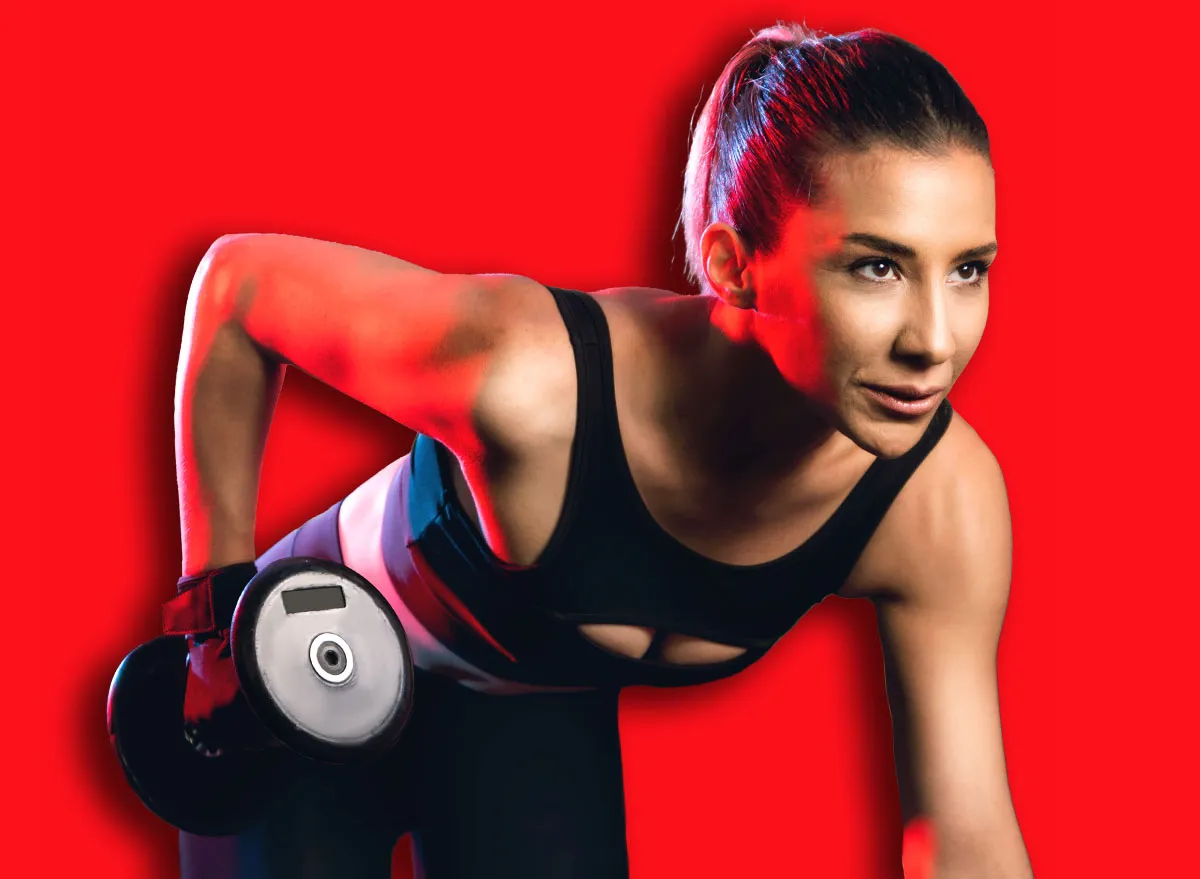
Strengthen Your Back & Core: 5 simple Standing Exercises
A strong back and core are foundational to overall health, impacting everything from posture to injury prevention. You don’t need a gym membership or complicated routines to build this strength. Thes five standing exercises, easily incorporated into your daily life, will help you develop a resilient back, improve your posture, and protect your spine.
Why Standing Exercises for Your Back?
Standing exercises offer unique advantages. they engage your core to maintain balance, activate stabilizing muscles often overlooked in seated work, and mimic real-world movements. These exercises focus on unilateral (one-sided) work and controlled movements, building strength without adding unnecessary stress to your lower back.
1. Standing Single-arm Rows
This exercise isn’t about lifting heavy weights; it’s about controlled tension.It teaches your body to resist rotation, supporting your spine during everyday activities like lifting or reaching. The downward pull activates the muscles along the back of your torso,creating a natural “back corset” that protects your lower spine. Consistent practice will sharpen back definition and improve overall torso strength.
How to Do It:
* Stand tall with one arm extended overhead.
* pull your elbow down toward your hip, keeping your movement controlled.
* Maintain a stacked ribcage and braced core throughout the exercise.
* Return to the starting position without leaning.
* Perform 10-12 repetitions on each side.
2. Standing Wood Chops
Standing wood chops are a dynamic exercise that builds rotational strength and core stability. They mimic the motion of chopping wood, engaging your obliques and lower back muscles. This movement improves functional strength, making everyday tasks easier and reducing the risk of injury.
How to Do It:
* Stand with feet shoulder-width apart, knees slightly bent.
* Hold a light weight (or no weight) with both hands.
* Rotate your torso and bring the weight diagonally across your body, as if chopping wood.
* Control the movement as you return to the starting position.
* Complete 10-12 repetitions on each side.
3.Standing Reverse Flyes
This exercise targets the upper back and rear deltoids, counteracting the effects of prolonged sitting. It strengthens the muscles responsible for pulling your shoulders back,improving posture and reducing rounded shoulders. You’ll feel an immediate benefit in your upper back alignment.
How to Do It:
* Stand with feet shoulder-width apart, a slight bend in your knees.
* Hold light weights (or no weight) with arms extended in front of you.
* Keeping a slight bend in your elbows, raise your arms out to the sides, squeezing your shoulder blades together.
* Slowly lower your arms back to the starting position.
* Repeat for 12-15 repetitions.
4.Standing bird Dog Extensions
This upright variation of the classic bird dog challenges your balance, glute engagement, and spinal control. Lifting opposite limbs forces your core and lower back to stabilize your spine against shifting weight. The slow, controlled extension strengthens deep back muscles, supporting posture and reducing stiffness. It also improves hip stability,reducing pressure on your lumbar spine and maintaining strength as you age.
How to Do It:
* Stand tall, with your hands on your hips or at chest level.
* Lift one arm forward as you concurrently extend the opposite leg back.
* Keep your spine neutral and core engaged throughout the movement.
* Return slowly to the starting position and switch sides.
* Continue alternating for 8-10 repetitions on each side.
5. Standing Prone Pullbacks
This exercise targets your mid-back, rear deltoids, and spinal stabilizers, offering an immediate posture-correcting effect. The motion creates strong tension between your shoulder blades, teaching them to anchor and support your upper spine. Consistent practice reverses forward rounding and stiffness caused by desk work or slouching, building impressive upper-back endurance without equipment.
How to Do It:
* Stand with your arms extended forward at shoulder height.
* Pull your elbows back into a “goalpost” position,
Related reading