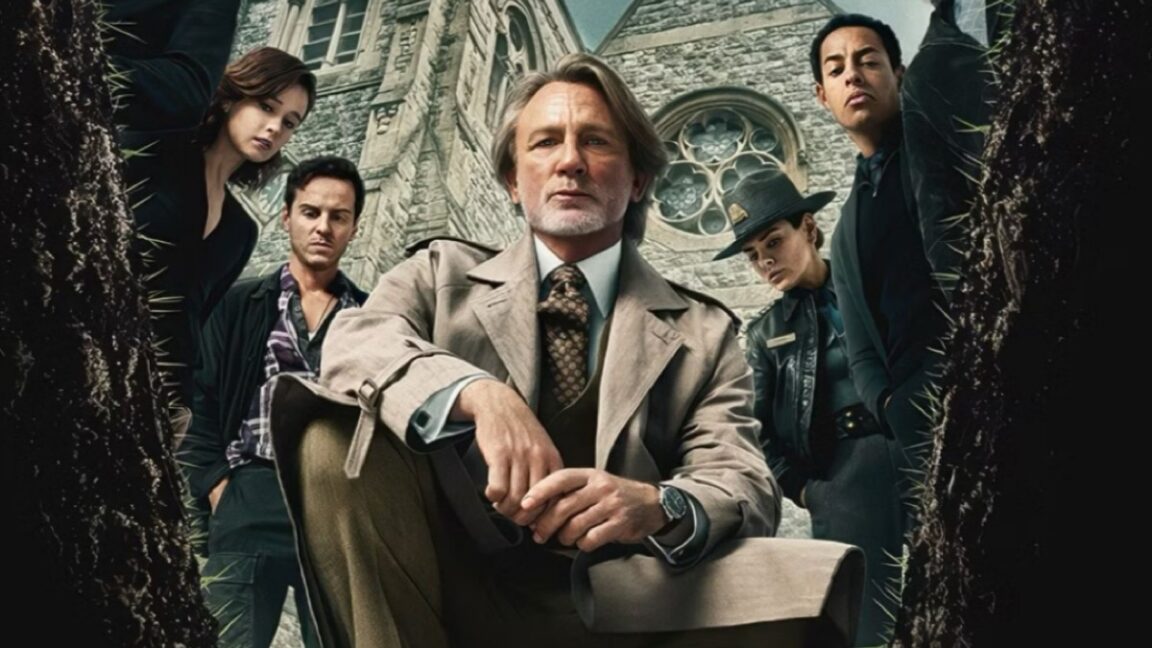
The Art of Shadow and Revelation: How Cinematography Elevates “Wake Up dead Man”
rian Johnson’s latest Benoit Blanc mystery, Wake Up Dead Man, isn’t just a compelling whodunit. It’s a masterclass in visual storytelling. The film, centered around the enigmatic death of a parish priest, relies heavily on atmosphere, and cinematographer Steve Yedlin is a key reason why. He’s instrumental in bringing Johnson’s artistic vision to life.
Yedlin’s collaboration with Johnson extends back years,beginning in their teenage years. This long-standing friendship fosters a unique creative synergy. They bypass the typical “figuring out” phase, diving directly into the nuances of each scene.
A Partnership Forged in Shared Vision
This pre-existing understanding allows for remarkable efficiency. Instead of debating aesthetics, they focus on refining details. As Yedlin explains, they can instantly begin “crafting and honing” the film. This streamlined process ultimately enhances the final product.
Gothic sensibility and the Dance of Light and Dark
Wake Up Dead Man embraces a distinctly Gothic aesthetic. Yedlin amplifies this through a deliberate interplay of light and shadow. The script demanded dynamic lighting shifts, even within single scenes, and Yedlin rose to the challenge.
Consider the pivotal scene between Benoit Blanc and the young priest, Jud duplenticy. As Blanc begins questioning him, clouds obscure the sun. Concurrently, Duplenticy’s responses gain intensity as the sun reappears. This isn’t mere coincidence; it’s a carefully orchestrated visual cue.
Precision Lighting: A technological Advantage
The church setting itself becomes a canvas for yedlin’s artistry. He utilizes a spectrum of lighting conditions – day, night, dawn, and dusk – to build tension and reveal character. Early morning rays slice through the darkness, while dramatic flares accompany key moments in Monseigneur Wicks’ speech.
Achieving this level of precision required custom light control software. This technology allowed the team to both manipulate and repeat lighting cues with amazing accuracy. They could adjust nuances on the fly, ensuring consistency and creative versatility.
Essentially, they could “push a button” and recreate the exact lighting effect, line by line, take after take.This level of control is crucial for maintaining the film’s atmospheric integrity.
Beyond Aesthetics: Lighting as Narrative
Yedlin’s work isn’t simply about creating a visually striking film. It’s about using light to underscore the narrative. Blanc’s “road to Damascus” moment, just before the final reveal, is bathed in sunlight.This visual metaphor reinforces the character’s epiphany.
Ultimately, the cinematography in wake Up Dead Man demonstrates the power of collaboration and the importance of visual storytelling. Yedlin’s expertise elevates the film beyond a typical mystery,transforming it into a truly immersive and unforgettable cinematic experience.
Worth a look