The AI Power Surge: Can California Keep the Lights On – and green?
Artificial intelligence is rapidly transforming our world, and powering that transformation requires an enormous amount of electricity. This surging demand is placing unprecedented strain on power grids, particularly in states like California, a global hub for tech innovation and now, increasingly, data centers. The question isn’t if AI will impact our energy future, but how we can absorb this growing load without jeopardizing our climate goals and driving up electricity bills for everyone.
The stakes are high. California, committed to ambitious clean energy targets, is facing a critical juncture. Meeting the power needs of thes energy-intensive facilities – the physical homes of AI – demands a careful balancing act. Simply adding more capacity isn’t enough; the source of that power, and how its costs are distributed, are paramount.
A Grid Under pressure: The Data Center Boom
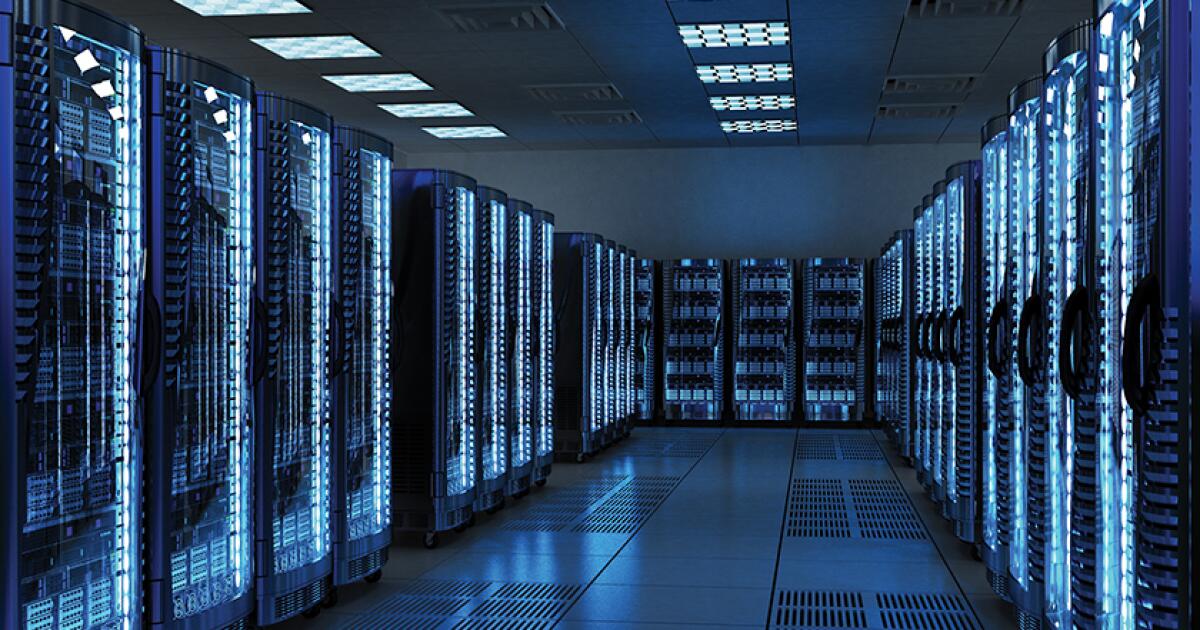
Data centers, the sprawling warehouses that house the servers powering everything from cloud computing to AI applications, are energy hogs. Their constant operation and cooling requirements translate to important electricity consumption. California is experiencing a boom in data center construction,fueled by the promise of economic growth and the relentless advance of AI.
This growth is prompting policy shifts. This year, California joined a broader Western power market, a move intended to bolster grid reliability and accommodate new demands like those from data centers. however, this decision isn’t without controversy. Critics rightly point out the potential for importing “dirtier” electricity from neighboring states with less stringent environmental regulations, potentially undermining California’s hard-won progress in renewable energy. Maintaining control over clean energy standards is a key concern.
Navigating a Complex Energy Future: Beyond Renewables
Meeting the AI-driven demand requires a multifaceted approach. Simply relying on intermittent renewable sources like solar and wind isn’t sufficient. As Stanford’s Dr. Min argues, California needs to consider options that some environmentalists traditionally oppose.
This includes extending the lifespan of existing resources like the Diablo Canyon nuclear plant – a reliable, carbon-free source of baseload power.Crucially, the state also needs to invest in “clean, firm” power sources – those capable of delivering electricity around the clock. Geothermal energy offers a promising solution, as do natural gas plants equipped with carbon capture technology.
PG&E, california’s largest utility, acknowledges this reality. Spokesperson Stephanie Magallon highlights nuclear power, carbon capture systems, and large-scale solar-plus-battery storage projects as viable options for powering data centers. However, carbon capture remains a contentious issue. Environmental justice advocates rightly question its effectiveness and potential to prolong our reliance on fossil fuels, particularly in communities already burdened by pollution.The technology needs rigorous scrutiny and careful implementation to ensure it delivers genuine environmental benefits.
Adaptability and Local Solutions: The Role of Community Choice
While large-scale infrastructure projects are essential, innovative solutions at the local level can also play a significant role. Community Choice Aggregators (CCAs), like San José Clean energy, are demonstrating the power of localized control. san José already boasts a 60% renewable energy mix, and its strategy focuses on flexibility.
By incentivizing data centers to shift their energy consumption away from peak demand hours – particularly hot afternoons – the city can avoid costly investments in additional power generation. This approach, prioritizing demand response, offers a cost-effective and environmentally sound way to manage the new load.
Will Data Centers Impact Your Electric Bill? The Affordability Question
Perhaps the most pressing concern for consumers is the potential impact on electricity bills. The debate centers on whether data centers will contribute to lower rates by spreading fixed grid costs across a larger customer base, or whether they will drive up costs for everyone else.
PG&E argues that adding large users can dilute fixed costs. they also point out that the grid currently operates well below capacity (around 45% on average), suggesting there’s room to absorb new demand without immediate strain. Though, this average masks critical vulnerabilities. The grid does face significant stress during peak hours and in specific regions. Connecting data centers strategically, in areas with available capacity, is crucial to avoid exacerbating congestion.
But caution is warranted. As one panelist, identified as Toney, warns, California is embarking on major infrastructure projects without a clear understanding of the actual demand from data centers and how the associated costs will be allocated. He aptly describes the current approach as “faith-based policymaking,” where potential benefits are speculative while the costs are very real.
Learning from Other States: A Call for Regulation
Worth a look
- Peruvian Diplomacy: Defending National Interests and Strengthening Global Ties
- Iran Denies Plans for Direct U.S. Talks Despite Trump’s “Imminent Deal” Claim
- RAP vs. IBR: What Your New Student Loan Bill Actually Costs (daybreakwire.com)
- Anchorage Converts Landfill Waste Into Energy With New Incinerator (news-usa.today)