Surviving Gaza: A Teenager’s Story of Resilience and the Realities of War
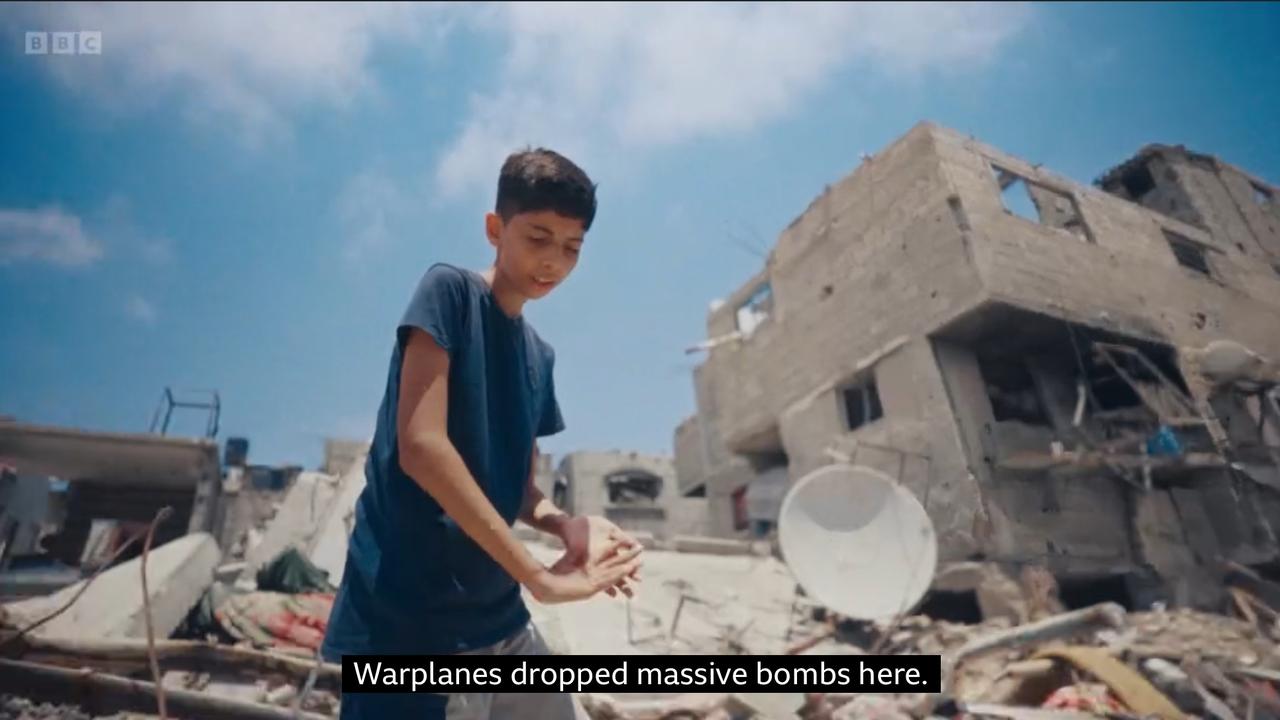
the ongoing conflict in Gaza has captured global attention, but beyond the headlines and political analysis, lie deeply personal stories of survival. A recent episode of the PalCast podcast,titled Gaza: How too Survive a Warzone,offers a harrowing and profoundly moving glimpse into this reality through the eyes of Abdullah Al-Yazouri,a 15-year-old student from Gaza. abdullah, the narrator of the award-winning documentary of the same name, shares his experiences of displacement, loss, and the daily struggle for survival amidst relentless bombardment. This article delves into the key takeaways from the podcast, exploring the challenges faced by civilians in Gaza, the controversies surrounding media coverage, and the enduring hope for a future beyond conflict. We’ll also address practical questions about supporting those affected and understanding the broader context of the Gaza crisis.
The Unfolding Humanitarian Catastrophe in Gaza
Abdullah’s account paints a stark picture of life under siege. The podcast details the repeated displacement of families from areas like Khan Yunis, Gaza City, shijaiya, and Zaytun, driven by intense Israeli military operations. These forced migrations often occur without designated safe routes, leaving civilians vulnerable and exposed. Recent reports from the United Nations (UN) indicate that over 2 million people – nearly the entire population of Gaza – are internally displaced as of February 2024 (UN News Center, February 15, 2024). This mass displacement is compounded by increasingly dire living conditions.
Abdullah vividly describes the hardships of living in makeshift tents,particularly during the harsh winter months. Heavy rainfall and flooding exacerbate the situation,offering minimal protection against the elements. The lack of adequate shelter,coupled with limited access to food and clean water,has created a severe humanitarian emergency. The World Food Program (WFP) reports that over 80% of the Gazan population is experiencing acute food insecurity, with famine looming (WFP, January 2024). This isn’t simply a lack of calories; it’s a critical deficiency in essential nutrients impacting the health and development of children like Abdullah. Understanding the Gaza conflict’s impact on children is crucial, as they bear the brunt of the suffering.
Loss, Trauma, and the Power of Witness
The podcast doesn’t shy away from the deeply personal toll of the conflict. Abdullah shares heartbreaking experiences of loss and trauma, recounting how his family fled their home anticipating the scale of the assault following October 7th. They endured multiple displacements and narrowly escaped a missile strike that claimed the lives of manny civilians. He describes the relentless psychological strain of living under constant threat, the pervasive fear, and the struggle to maintain a sense of normalcy.
His story underscores the importance of amplifying Palestinian voices and providing platforms for individuals like Abdullah to share their experiences. The documentary and the podcast serve as powerful acts of witness, challenging dominant narratives and fostering empathy. This aligns with the growing movement for civilian reporting from conflict zones, recognizing the unique insights offered by those directly affected.
Controversy and Censorship: The BBC Documentary Dispute
The episode also addresses the controversy surrounding the BBC’s initial decision to pull the documentary due to abdullah’s father’s role in Gaza’s agricultural sector. Abdullah eloquently explains how this issue was used as a pretext to deflect from the documentary’s core message and discredit his father’s efforts to provide food to civilians during the crisis. This incident raises important questions about media bias in the Gaza coverage and the challenges faced by self-reliant journalists reporting from conflict zones. Organizations like Reporters Without Borders (RSF) have documented a important increase in attacks on journalists in Gaza,highlighting the dangers they face (RSF,December 2023).
Looking Ahead: Hope and the pursuit of Journalism
Despite the immense challenges he has faced, Abdullah remains remarkably resilient. He expresses a strong desire to study journalism and dedicate his life to giving voice to those who have been silenced. His ambition is a testament to the enduring power of hope and the importance of storytelling in the face of adversity. Supporting initiatives that empower Palestinian youth and provide access to education is vital for building a more just and peaceful future. Consider supporting organizations like UNRWA, which provides essential services to Palestinian refugees (UNRWA).
Practical Tip: Stay informed by consulting multiple news sources, including those offering on-the-ground reporting from Gaza. Be critical of information and seek out diverse perspectives.
Evergreen Insights: The Long-Term Effects of Conflict
The situation in Gaza is not new. Decades of conflict, blockade