The Demise of the Customary Tune-Up: Why Modern Cars Are Diffrent
for decades, “tune-up” was a standard part of car ownership. You scheduled them, you paid for them, and you hoped they’d keep your vehicle running smoothly. But have you noticed they’ve largely disappeared? It’s not a trick or a cost-cutting measure by manufacturers.Modern vehicles simply don’t need tune-ups in the way older cars did,and here’s why.
From Wrenches to Microchips: A Revolution in Engine Management
The core of the change lies in the shift from analog to digital engine management. Older cars relied on mechanical distributors, carburetors, and timing adjustments – all requiring manual tweaking by a skilled mechanic. These components were prone to drift out of specification, leading to issues like rough idling, misfires, and reduced fuel efficiency.
Essentially, your mechanic was constantly chasing the “sweet spot” for fuel and air mixture. This process was the tune-up.
Today, though, the engine’s “brain” - the Engine Control Unit (ECU) – handles this continuously. It’s a sophisticated computer that constantly monitors and adjusts parameters like fuel injection, ignition timing, and valve timing for optimal combustion as you drive. Think of it as a self-tuning engine.
What Does This Mean for You?
This doesn’t mean your car requires no maintenance, but it does change the focus. You won’t be replacing points, condensers, or adjusting carburetors. Instead, modern car care emphasizes preventative maintenance and addressing issues as they arise, guided by the ECU’s diagnostic capabilities.
here’s what you should prioritize:
* Pay attention to your dashboard. Warning lights are your car’s way of telling you something needs attention. Don’t ignore them!
* Follow the recommended maintenance schedule. Manufacturers provide detailed intervals for fluid changes, filter replacements, and other essential services.
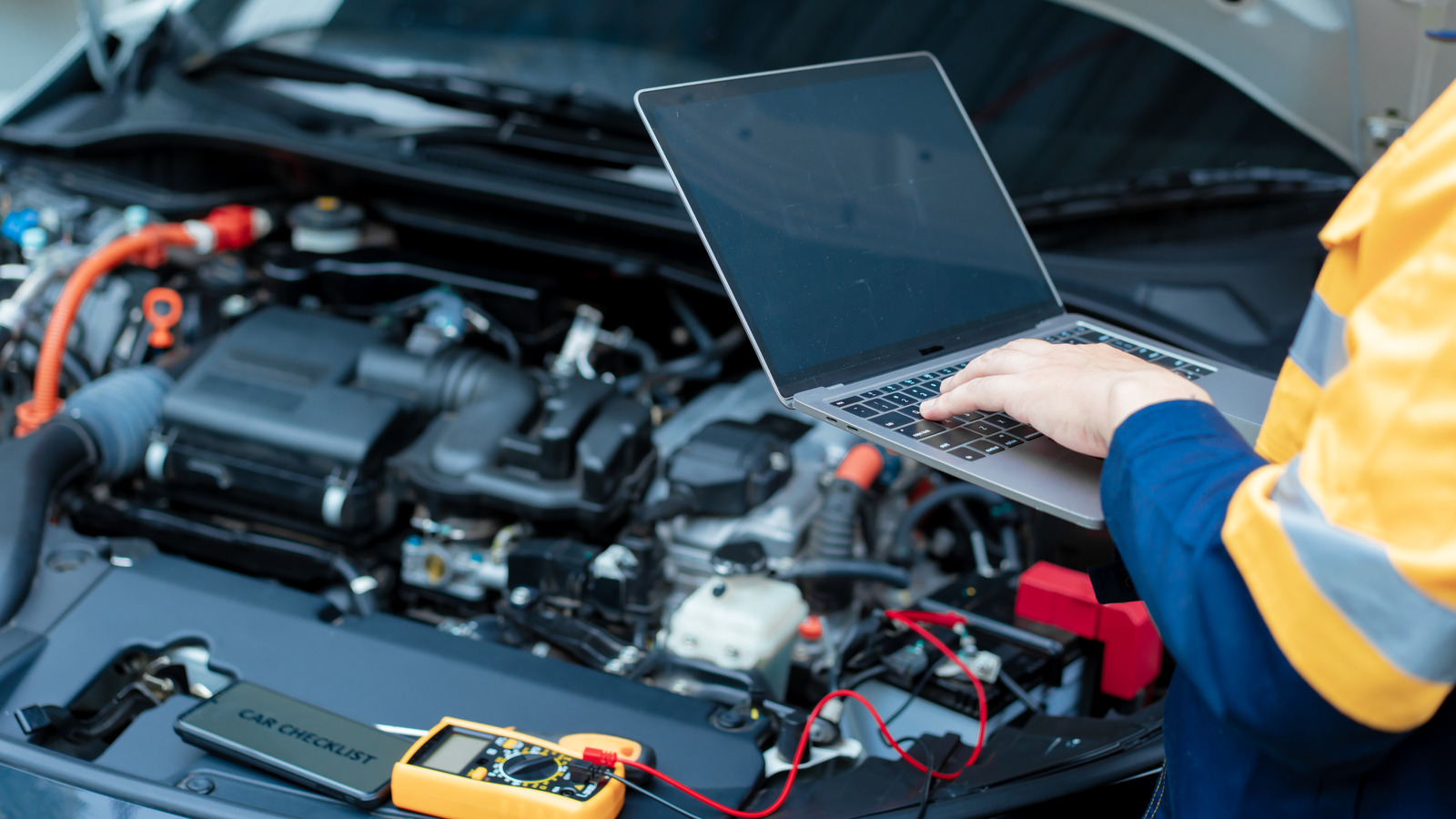
* Trust your mechanic’s diagnostic tools. Modern mechanics use specialized equipment to read data logged by the ECU, pinpointing problems quickly and accurately.
* Focus on fluids and filters. These are the lifeblood of your engine and other critical systems. Regular replacement keeps everything running smoothly.
A Shift in Philosophy: Prevention over correction
The modern approach to car maintenance is proactive rather than reactive. Instead of waiting for problems to develop and then “tuning” the engine to compensate, the goal is to prevent issues from occurring in the first place.
Modern components are also far more reliable than their predecessors.This means fewer parts wear out or fail, reducing the need for extensive repairs.
Still Requires Care, Just a Different Kind
While your new car won’t need a traditional tune-up, it absolutely still requires care and attention. ignoring maintenance can lead to more significant – and expensive – problems down the road.
Think of it this way: your car is a complex machine, and like any machine, it needs regular servicing to stay in top condition. By staying proactive and following the manufacturer’s recommendations, you can enjoy years of reliable performance and keep yourself happily on the road.
Worth a look